
Your Cart


Quick Answer & Essential Rules
How to Safely Clean a Fabric Couch
Always verify your couch manufacturer cleaning tag before applying any liquid. If your tag reads W or WS, you can safely spot-clean with a water-based solution of warm water and clear dish soap. If your tag reads S, you must use a water-free dry-cleaning solvent. Never use water on an S-coded or X-coded sofa, because water can leave permanent circular water rings, dissolve backing adhesives, and cause fabric shrinkage.
For any spill, remember the golden rule: blot with lifting pressure using a clean white microfiber towel. Never scrub, which drives stains deeper into the cushion core and damages the upholstery fibers.
Most sofa stains aren't ruined by the spill itself. They're ruined in the next five minutes, when someone panics, grabs a wet dish towel, and furiously scrubs back and forth.
In our showrooms and customer service conversations across Ohio, Kentucky, and Indiana, one of the most common issues we see is a small drip that became a large, permanent circular watermark because someone tried to scrub an S-coded fabric with tap water. The fix is almost always simpler than people expect: check the care tag, choose the right cleaning chemistry, and blot with lifting pressure instead of rubbing.
Below is the exact step-by-step guidance our teams share with customers, stain by stain, plus routine whole-couch refresh techniques, how to handle water rings, and the household products we would never let near an upholstered cushion.
Watch: Tips & Tricks for Cleaning Upholstery Fabric
Follow along with Furniture Fair's Ryan Storts as he walks through essential pre-cleaning steps, how to vacuum cushions properly, wood trim care, and how to read your manufacturer care codes:
Ryan Storts demonstrates how to vacuum cushions, protect wood trim, and identify fabric cleaning codes on your sofa.
1. The Manufacturer Cleaning Code: What W, S, WS, and X Actually Mean
Before reaching for dish soap, club soda, or any spot cleaner, locate your sofa manufacturer cleaning tag. You will typically find this label underneath the seat cushions, attached to the platform deck lining, or stitched along the bottom edge of the dust cover under the frame.

Where to Find Your Couch's Cleaning Tag
Under Seat Cushions
Attached to the platform deck lining directly beneath removable seat cushions.
Inside Zippered Casings
Stitched into the inner seam or foam casing of zippered cushion covers.
Bottom Dust Cover
Fastened to the underside fabric lining along the bottom wooden sofa frame.
This tag contains a universal industry care letter that dictates exactly what type of cleaning solution your fabric can tolerate without sustaining permanent damage:
| Care Code | Cleaning Method | Approved Cleaners | Forbidden Cleaners | Often Seen On |
|---|---|---|---|---|
| W | Water-Based Only | Warm water with mild clear dish soap, upholstery foam, water-based carpet cleaners | Dry-cleaning solvents, pure alcohol, harsh industrial degreasers | Polyester, nylon, cotton blends, synthetic microfibers, performance velvet |
| S | Solvent-Based Only | Water-free dry-cleaning upholstery solvent (specifically formulated and labeled as upholstery spot solvent or dry spotter) | Water, seltzer, steam cleaners, all-purpose sprays, water-based foam shampoos | Rayon, viscose, linen blends, traditional cotton velvet, jacquard, delicate wool |
| WS | Water or Solvent Safe | Both mild water-based detergents and mild dry-cleaning solvents | Chlorine bleach, ammonia, abrasive scrubbing pads, harsh industrial degreasers | High-durability synthetics, performance twill, commercial polyester blends |
| X | Vacuum or Brush Only | Soft upholstery brush attachment, handheld vacuum, lint roller | ALL liquids: zero water, zero foam, zero solvents | Raw silk, non-washable antique velvets, specialty heritage weave textiles |
Note: These care codes represent an industry-wide voluntary standard used by furniture manufacturers across the United States. Always follow the physical care tag attached to your specific sofa, which takes precedence over general fabric guidelines. For example, while many traditional cotton velvets are S-coded, modern polyester velvets are frequently W or WS.
The S-Code Water Warning
Never apply water or water-based spot cleaners to a fabric labeled with an S code. When water dries on solvent-only fabrics, the minerals in the water and the fibers' natural sizing create visible, permanent circular halos known as water rings. Furthermore, excessive moisture can cause natural cellulose fibers like rayon or linen to shrink and ripple permanently.
What If Your Sofa Has No Tag or It Is Faded?
If your cleaning code tag was snipped off, worn down, or tucked away somewhere you cannot locate, do not guess with water. Take these practical steps:
- Check under the sofa frame for the law label or production tag: Most sofas feature a stapled white production tag on the bottom dust cover listing the manufacturer style number and fabric pattern name.
- Contact customer service with your purchase record: If you purchased your sofa at Furniture Fair, our Customer Care team can pull up your purchase record to help identify your piece's model number and verify manufacturer details.
- When completely in doubt, treat as Code S or X: Never apply water or foam to an unknown fabric. Dry-vacuum thoroughly, and if a stain requires chemical lifting, consult a certified professional cleaner first.
2. Why Does Blotting Work Better Than Scrubbing?
When a spill happens in the living room, human instinct is to grab a towel and furiously rub the spot back and forth. This is the single fastest way to turn a minor, cleanable accident into a permanent upholstery eyesore.

What Happens When You Scrub
- Drives Stains Deeper: Forces liquid past the weave and deep into the dense foam cushion core, where surface cleaning cannot reach.
- Frays Fabric Weave: Aggressive friction frays fiber tips, disrupts delicate pile, and leaves permanent friction wear spots.
- Expands the Stain Perimeter: Pushes moisture outward in all directions, turning a two-inch drop into a six-inch water halo.
The 3-Step Blotting Method
- 1. Direct Lifting Pressure: Press straight down with a clean, dry white microfiber towel to draw moisture straight up.
- 2. Work Edges Inward: Blot strictly from the outer boundary toward the center to contain perimeter spread.
- 3. Rotate Clean Sections: Lift, rotate to a fresh dry section of the cloth, and repeat until no moisture transfers.
Cushion Core Protection
While sofa fabric can be cleaned on the surface, soaking liquid down into the polyurethane foam core creates lingering odors, mildew growth, and breakdown of cushion adhesives. Keep your cleaning cloth damp, never dripping wet.
3. Safe Spot-Cleaning Methods by Stain Type
Different household spills require different cleaning chemistry. Below are proven, fabric-safe recipes for common living room stain emergencies.
Crucial First Step: Always Test First
Test any cleaning solution on a hidden spot first (such as the back of the skirt, underneath a cushion, or along the lower rear frame) and wait until it dries completely before treating the stain. Check for dye bleeding, texture distortion, or watermark rings. If the test area changes color or leaves a halo, stop immediately.
01
Grease, Butter & Pizza Oils
Oils bond quickly with synthetic fibers like polyester. Do not start with water, which repels the oil.
Sprinkle baking soda or cornstarch generously over the fresh grease spot. Let it sit undisturbed for 15 to 20 minutes to absorb the surface oils, then vacuum away using a soft brush attachment.
For W/WS fabrics: Dab with 1 drop clear dish soap diluted in 1 cup warm water. Blot dry with a clean white towel.
02
Coffee, Tea & Red Wine
Dark beverages contain natural tannins that dye untreated plant fibers if allowed to dry into the weave.
Immediately blot with dry white paper towels until no more liquid transfers. For W and WS fabrics, mix 1 tablespoon white vinegar with 1 teaspoon mild clear dish soap in 2 cups of cool water.
Application: Dab the solution on with a cloth, blot repeatedly, then rinse with a water-dampened cloth to remove vinegar residue.
03
Pet Accidents & Muddy Paws
Biological messes contain proteins and enzymes that set permanently if cleaned with hot water.
For mud, let it dry completely first, then gently brush away the dried crusted soil before vacuuming. For pet urine, blot thoroughly, then apply an enzymatic cleaner formulated for upholstery (W and WS codes only).
Golden Rule: Use cool water exclusively. Hot water bakes protein stains and permanently locks odors into the cushion foam.
04
Ink, Marker & Pen Marks
Ballpoint ink and markers contain concentrated dyes that bleed quickly into surrounding fibers if oversaturated.
For W and WS fabrics: Dip a cotton swab into 70%+ isopropyl alcohol (pretest required), dab gently along the ink line from the outside edges inward, and immediately blot with a dry white cloth.
For S fabrics: Use a water-free dry-cleaning solvent only. Never use rubbing alcohol on S-coded fabrics, as its water content can leave a permanent circular halo.

4. How Do You Clean Performance Fabric Like Reliapel?
If your sofa is tailored in modern performance fabric, such as upholstery featuring Reliapel performance fabric (developed by American motion furniture manufacturer HomeStretch), your cleanup routine is significantly simpler.
Unlike traditional fabrics that rely on spray-on aftermarket chemical treatments that wash away over time, true performance fabrics incorporate an integrated moisture-barrier system. When liquids spill onto Reliapel, surface tension causes them to bead up on top of the fabric rather than immediately penetrating the fibers. This buys you critical cleanup time to lift spills before moisture reaches the inner cushion core.
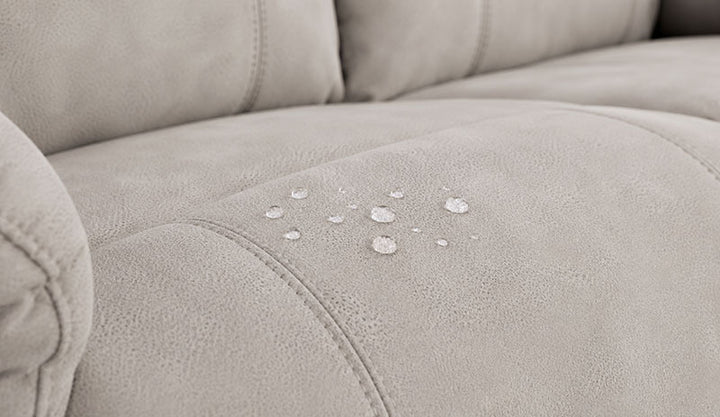
Moisture Barrier in Action
Surface Tension Buys Cleanup Time
Liquids bead up into tight droplets on top of the fabric weave, allowing you to lift fresh spills with a clean, dry cloth before moisture reaches the cushion core.
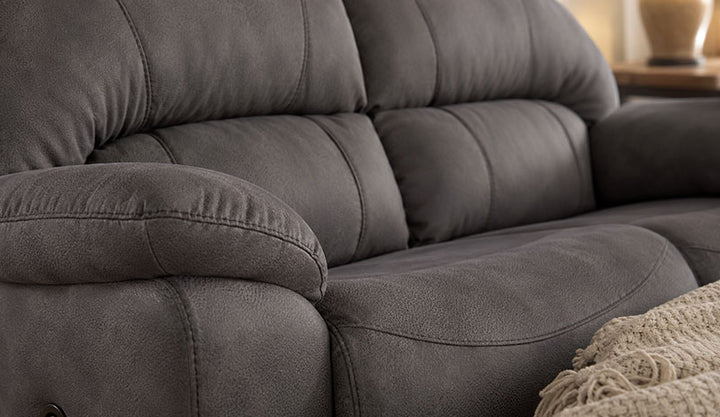
Durable Construction
Built-In Barrier Protection
The moisture-barrier protection is integrated directly during fabric manufacturing, helping living room furniture resist everyday household spills and family wear.
When a spill happens on a performance weave like Reliapel, simply lay a dry white paper towel or microfiber cloth gently over the bead to absorb it cleanly. However, performance fabric is not impervious: if liquid is left standing for an extended period, it can eventually begin to penetrate. Prompt blotting is still essential.
For dried-on household spills like mustard, chocolate, or dried mud, follow this simple routine:
01
Gently scrape surface residue: Use the edge of a spoon or a dull butter knife to lift dried solids without snagging yarns.
02
Mix a mild soapy solution: Combine warm water with a few drops of clear, mild dish soap in a small bowl.
03
Dab and lift with gentle pressure: Dampen a clean white microfiber cloth with the soapy mixture and gently dab the spot, working from the outside edges inward. Avoid aggressive scrubbing, which can distort the weave texture.
04
Rinse with plain water and air-dry: Blot with a water-dampened towel to remove soap film, then let the area air-dry completely.
Keep in mind realistic expectations: while performance fabrics excel at liquid and stain resistance, they are not completely indestructible. Sharp animal claws can still snag loose woven textures, and hot tools or open flames can melt synthetic fibers. Maintaining routine vacuuming preserves the fabric's protective qualities for the long haul.
5. Routine Maintenance, Odor Removal, and Whole-Couch Deep Cleaning
Spot cleaning handles unexpected spills, but keeping living room seating fresh for years requires routine maintenance and occasional whole-couch deep care.
01
Bi-Weekly Vacuuming & Detail Crevice Care: Dust, pet dander, and food crumbs settle between upholstery fibers. Sitting friction grinds these abrasive particles against yarns like fine sandpaper, causing premature fiber thinning. Vacuum with a soft upholstery brush attachment across all cushions, and use a narrow crevice tool deep along the deck and inner frame rails.
02
Whole-Sofa Odor Refresh (Baking Soda): For lingering pet or room odors, sprinkle a thin, even layer of dry baking soda across all seat cushions and back rests (safe for W, S, and WS fabrics). Let it sit undisturbed for 20 to 30 minutes to absorb trapped oils and moisture, then vacuum thoroughly with your upholstery attachment.
03
Monthly Cushion Flipping & Rotation: Upholstery cushions compress based on where family members sit most frequently. Rotate and flip removable seat and back cushions once a month to ensure even wear across high-density foam cores and prevent localized fabric wear.
Can You Machine-Wash Zippered Cushion Covers?
A question our showroom teams hear constantly is: "My couch cushions have zippers, so can I just put the covers in the washing machine?"
The answer is almost never. Zippers are installed by furniture manufacturers for factory assembly so workers can insert high-density foam cores and Dacron wrap. Putting cushion covers through a machine wash cycle causes severe fabric shrinkage, dissolves backing glues, fades color dye, and warps zipper tracks. Even a half-inch of shrinkage will make it impossible to re-stuff the foam core without tearing seams. Always spot-clean cushion covers in place on the sofa, or consult a professional dry cleaner for S-coded covers.
I Already Made a Water Ring: Can It Be Fixed?
If someone accidentally created a circular water halo on a W or WS fabric, it is usually mineral residue left behind by tap water. You can often feather out the ring:
- Lightly mist distilled water (which contains zero dissolved minerals) with a fine spray bottle, focusing along the outer ring boundary.
- Gently blot from the outer edge inward with a dry white microfiber towel to blend the watermark line into the surrounding fabric.
- For S-coded fabrics, water rings cannot be removed with water; attempting to do so will create a larger halo. Consult an upholstery cleaning professional.
When to Call a Professional Upholstery Cleaner
DIY cleaning is ideal for minor spills and regular upkeep, but certain situations call for an IICRC-certified professional:
- Code X upholstery: Fabrics requiring specialized dry-vacuum extraction without any wet solvents.
- Delicate natural fibers: Antique velvets, raw silks, or non-colorfast linens where color bleed risk is high.
- Cushion core saturation: Spills that soaked through to the inner polyurethane foam and created persistent mold or pet urine odor.
- Whole-couch extraction: According to Angi's 2026 cost data, professional upholstery cleaning averages $120 to $232 per piece, with sofas running $120 to $400 and sectionals $200 to $500 depending on size and fabric.
6. What Never to Use on Your Upholstered Sofa
Well-intentioned cleaning mistakes cause more permanent sofa damage than the original spills. Keep these common household cleaning products far away from your upholstered living room furniture:
Chlorine Bleach
Bleach destroys the molecular structure of synthetic and natural fibers alike, leaving brittle, threadbare patches and permanently stripping color dyes out of upholstery.
Colored Sponges and Dyed Towels
Yellow kitchen sponges and colored dish towels release artificial dyes when wet, transferring permanent yellow or blue stains directly onto your couch cushions.
Steam Cleaners on S-Code or Delicate Fabrics
Hot pressurized steam melts fabric backing glues, causes rayon and linen weaves to shrink, and leaves irreversible circular moisture halos across S-coded sofas.
Harsh All-Purpose Sprays & Glass Cleaners
Multisurface degreasers contain ammonia and alkaline builders that bleach dyes, strip stain-repellent coatings, and leave tacky chemical residues that attract dirt like a magnet.
Excessive Soaking Water
Soaking a cushion saturates the underlying Dacron wrap and polyurethane foam core, leading to trapped moisture, musty odors, bacterial growth, and permanent cushion sagging.
7. Expert Insight: Choosing the Right Fabric for Real Life
When selecting upholstery for a busy home, understanding cleaning codes and maintenance needs helps you choose the right piece before spills even happen.
When customers walk into our Fairfield showroom, they often fall in love with a gorgeous, textured cream chenille or a light linen sofa, and then immediately say: "We have two kids and a golden retriever, so we cannot have this." My answer is always: you do not have to settle for furniture you do not love, but you do have to be honest about how your home operates. If you want light upholstery in a busy family room, do not fight against reality with delicate dry-clean-only weaves. Look at performance fabrics like Reliapel with built-in moisture barriers where spills bead up on the surface instead of sinking into the cushion core. That gives you the clean aesthetic you want without turning everyday movie nights into high-stress situations.

Frequently Asked Questions About Fabric Couch Cleaning
Here are practical answers to the most common questions customers ask our showroom teams about everyday upholstery care and stain removal:
What do couch cleaning codes W, S, WS, and X mean?
Cleaning codes indicate safe cleaning chemistry: W allows mild water-based detergents only, S permits water-free dry-cleaning solvents only, WS allows both water-based and solvent cleaners, and X strictly permits vacuuming or dry brushing only (no liquids).
Can you use water to clean an S-coded couch?
No. Never use water on an S-coded fabric. Water can leave permanent circular water rings, dissolve backing adhesives, and cause cellulose fibers like rayon or linen to shrink and ripple permanently.
Can I wash zippered couch cushion covers in the washing machine?
Almost never. Zippers are installed for factory assembly to insert foam cores, not for home laundering. Machine washing causes severe shrinkage, warps zipper tracks, and breaks down backing glues. Once a cover shrinks even a half-inch, re-stuffing the foam core without tearing seams is nearly impossible. Always spot-clean in place on the sofa, or consult a dry cleaner for S-coded covers.
How do you remove an existing water ring from a couch?
For W and WS fabrics, lightly mist distilled water (which contains zero dissolved minerals) around the outer perimeter of the watermark with a spray bottle, then gently blot from the outside boundary inward using a clean white microfiber cloth to feather the edge into the surrounding weave. For S-coded fabrics, consult a professional upholstery cleaner.
What should I do if my couch has no cleaning code tag?
Check the underside of the sofa frame for a stapled white manufacturer law label or production tag listing the style number. If you know the retailer or brand, Customer Care can look up the fabric mill specifications. If the fabric composition is completely unknown, treat it conservatively as Code S or X: dry-vacuum thoroughly and never apply water without professional advice.
When should you hire a professional upholstery cleaner?
Call an IICRC-certified professional cleaner if your sofa is labeled Code X, features delicate antique fibers (silk, antique velvet), or if liquid saturated down into the polyurethane foam cushion core. According to Angi's 2026 cost data, professional upholstery cleaning averages $120 to $232 per piece, with standard sofas running $120 to $400 and sectionals $200 to $500 depending on size and fabric.
How do you clean performance fabric like Reliapel?
For fresh liquid spills on Reliapel, absorb the bead immediately by gently placing a dry white paper towel or microfiber cloth over it. For dried-on spills, scrape excess solids gently, dab with warm water and a drop of clear mild dish soap, rinse with a damp cloth, and air dry.
Finding the Right Balance for Your Living Room
A fabric couch is where family life happens: movie nights, afternoon naps, and daily gatherings. Understanding your piece's care code and responding with gentle blotting instead of scrubbing keeps everyday living room seating clean, comfortable, and protected against permanent damage.

Built for Real Life
Stain-Resistant Performance Living Room Furniture
If your current couch is ready for retirement, explore Furniture Fair's wide selection of living room sectionals and reclining sofas featuring high-performance, stain-resistant fabrics like Reliapel. Enjoy style and comfort without worrying about life's everyday accidents.
Not sure if performance fabric is worth the investment for your household? Our comprehensive Reliapel fabric breakdown covers what it can and cannot handle.
For total peace of mind against qualifying accidental household stains, rips, and punctures, explore the Furniture Fair Protection Plan. Need help getting your new furniture home? Furniture Fair offers convenient delivery through our own in-house delivery team. Learn more about our delivery options explained.