
Your Cart

Bedding
42 results











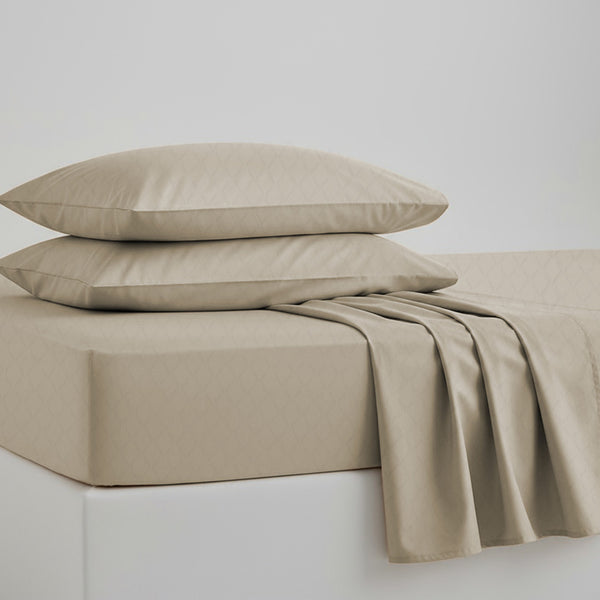

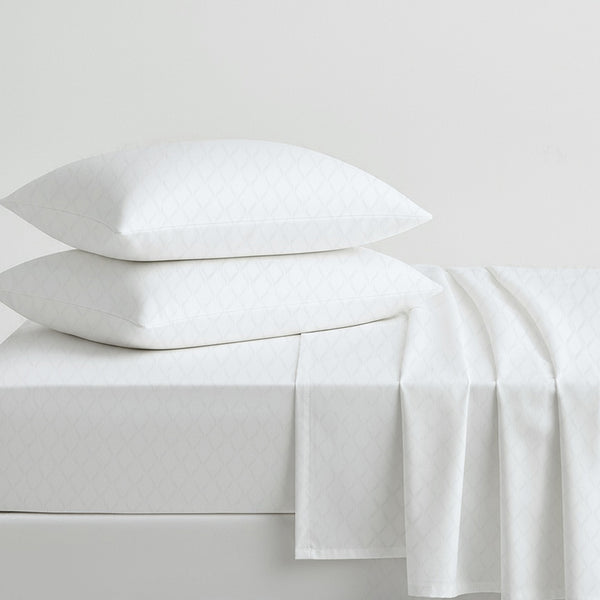

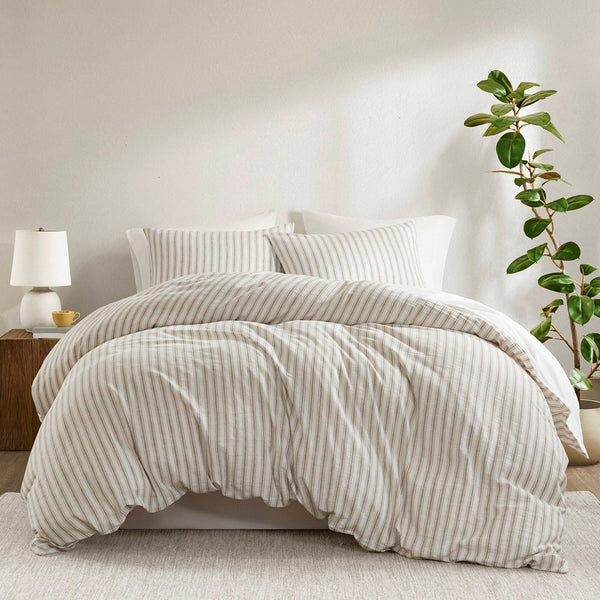

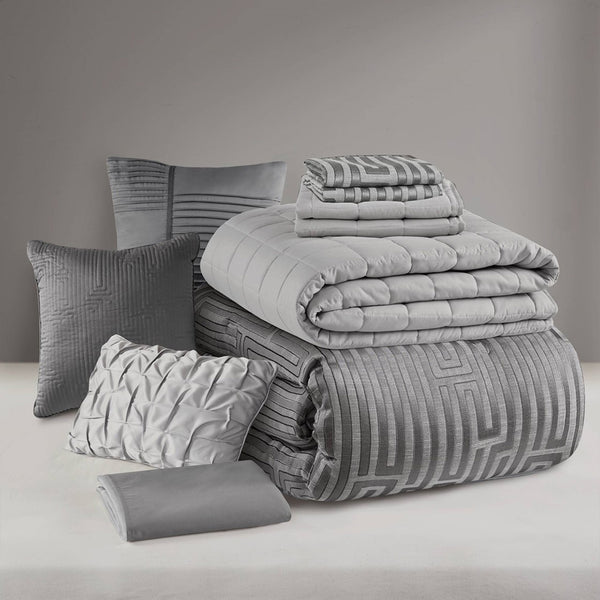

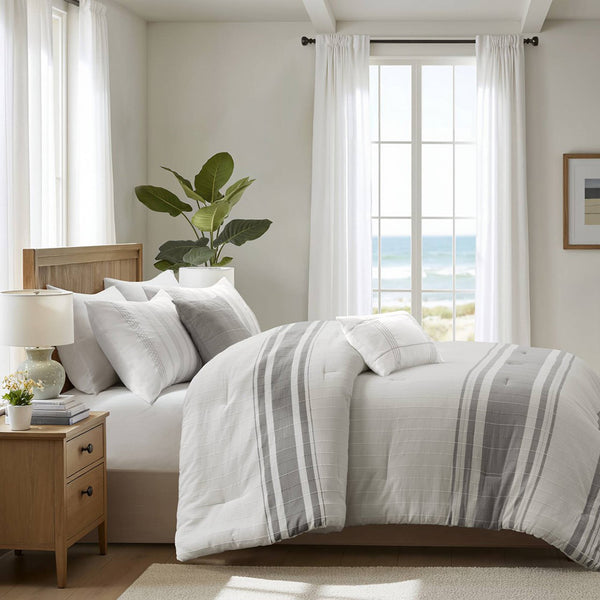

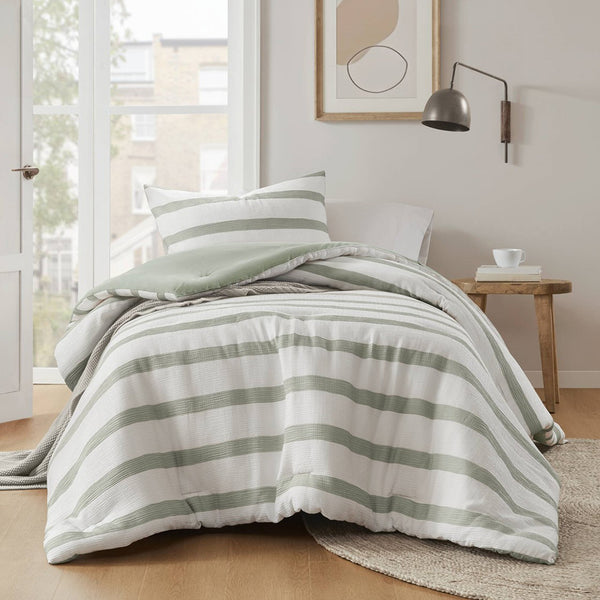

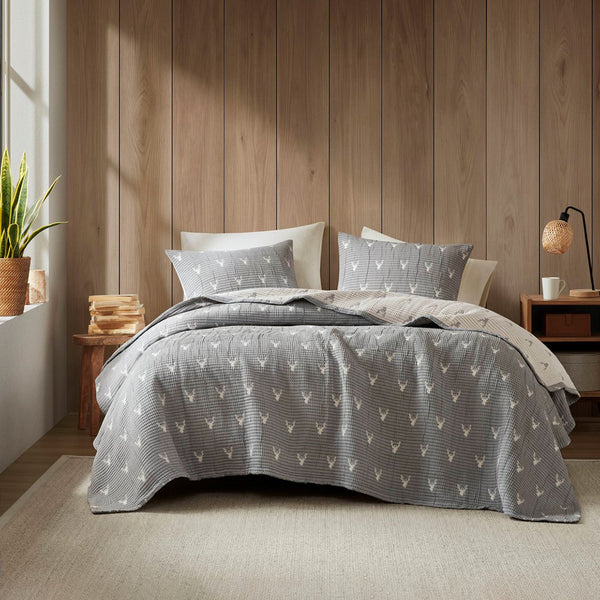

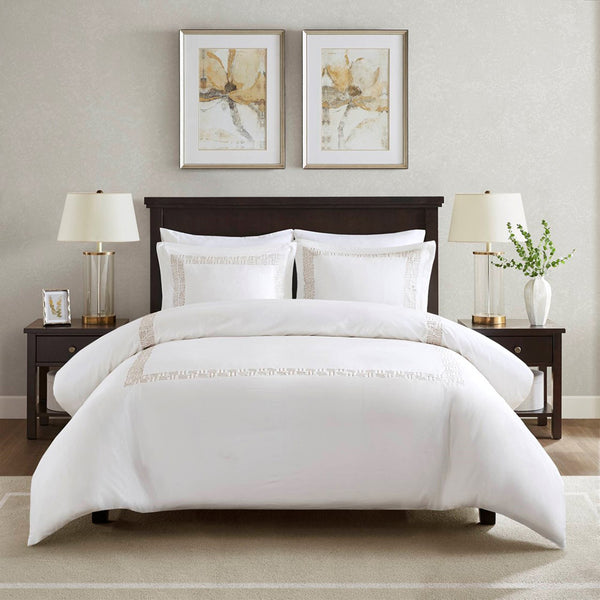

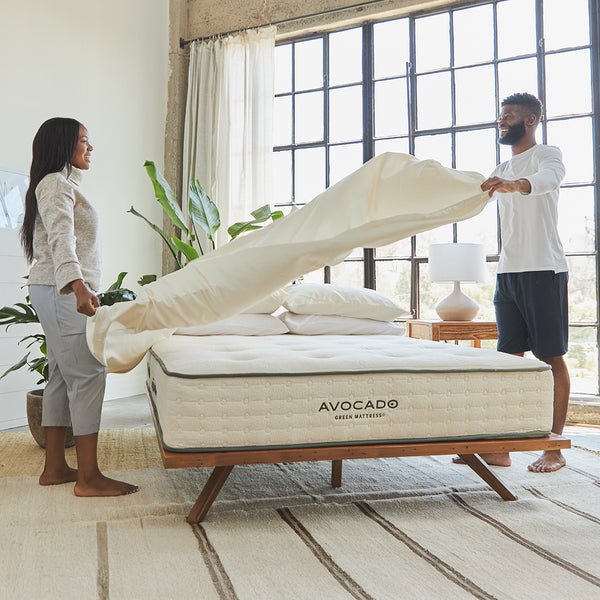

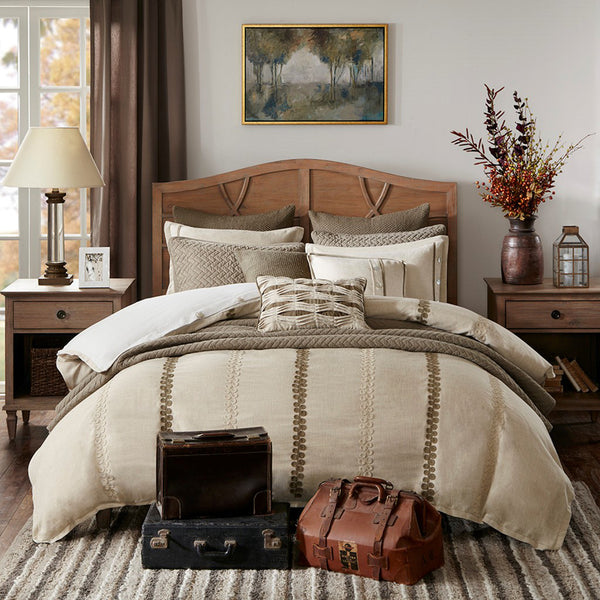

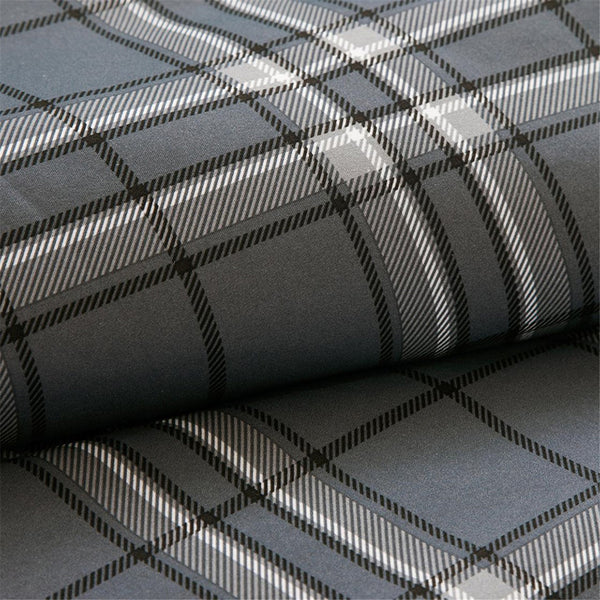

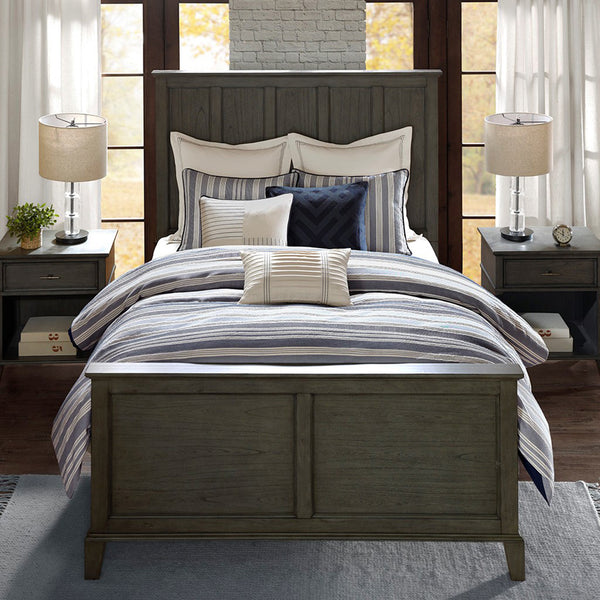

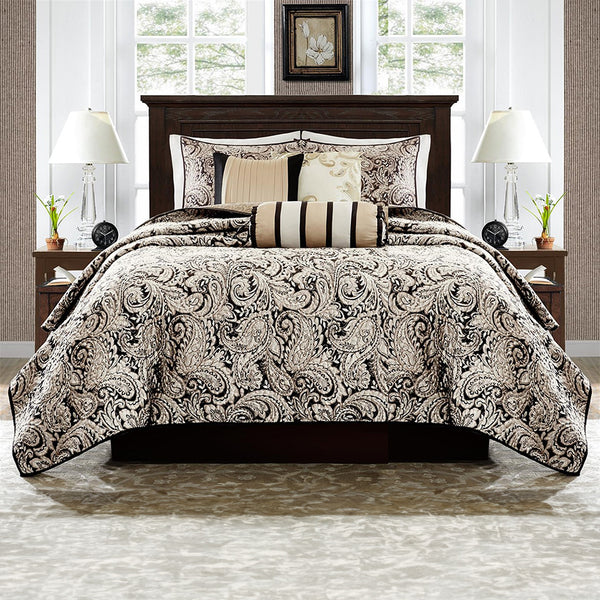

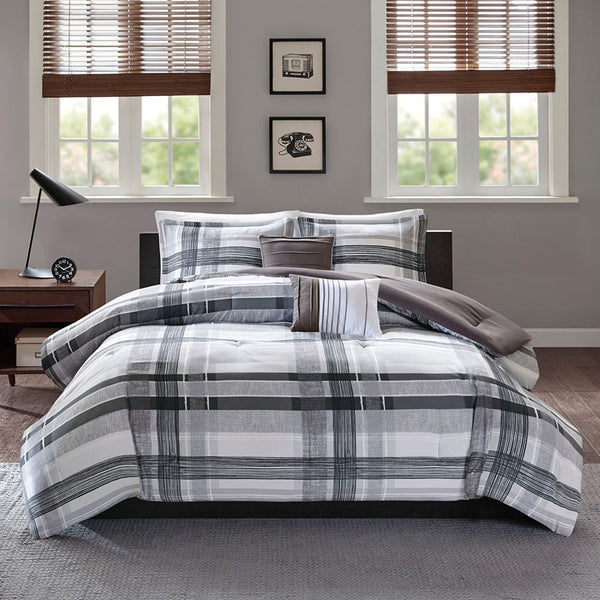

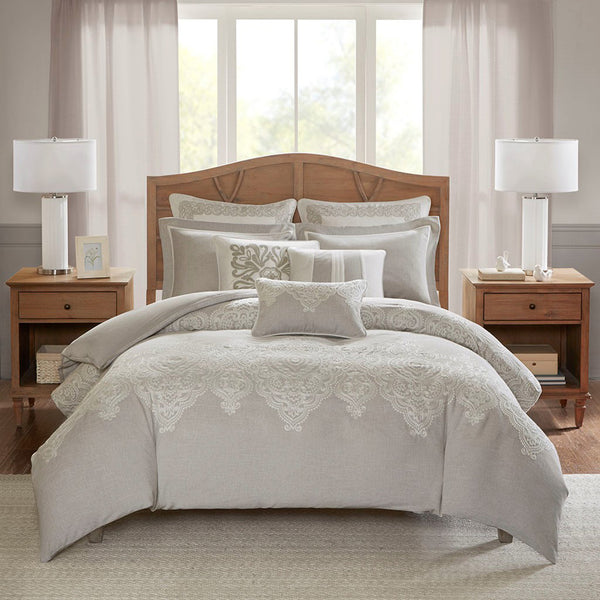

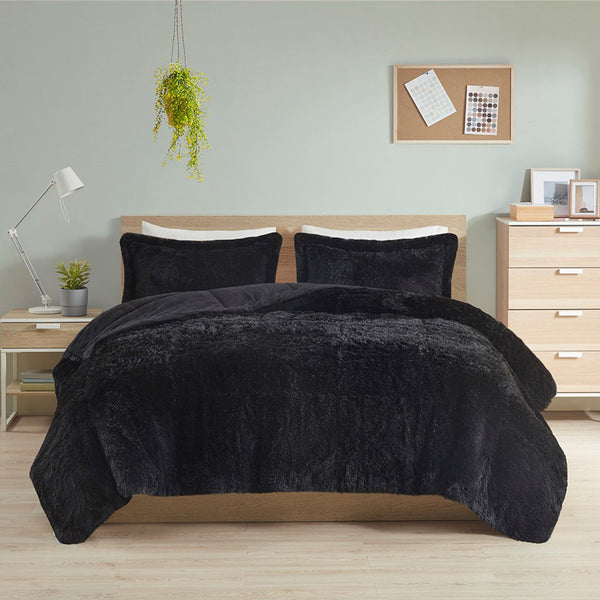





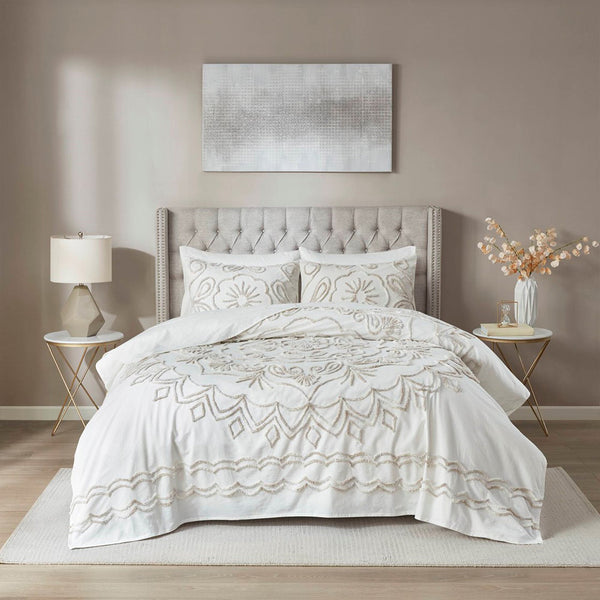

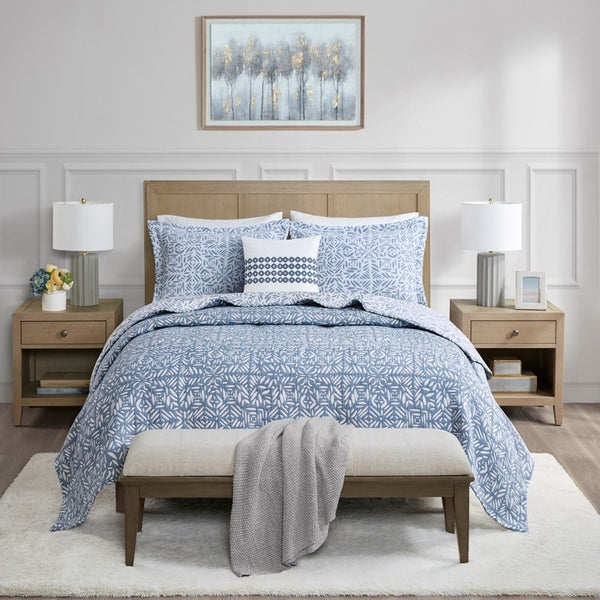

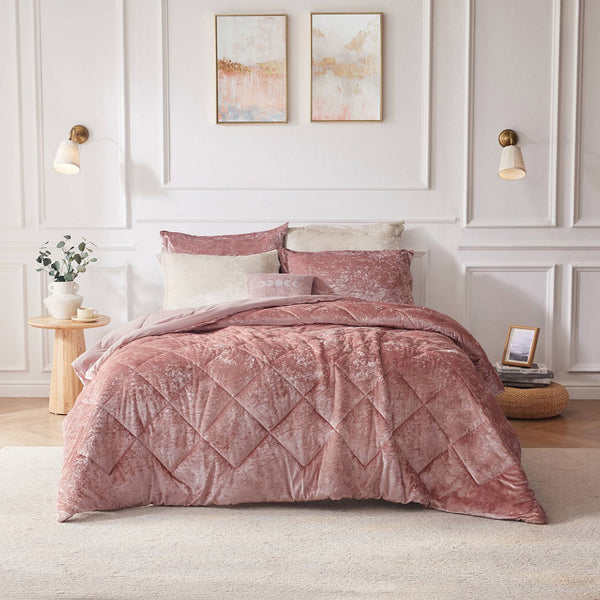

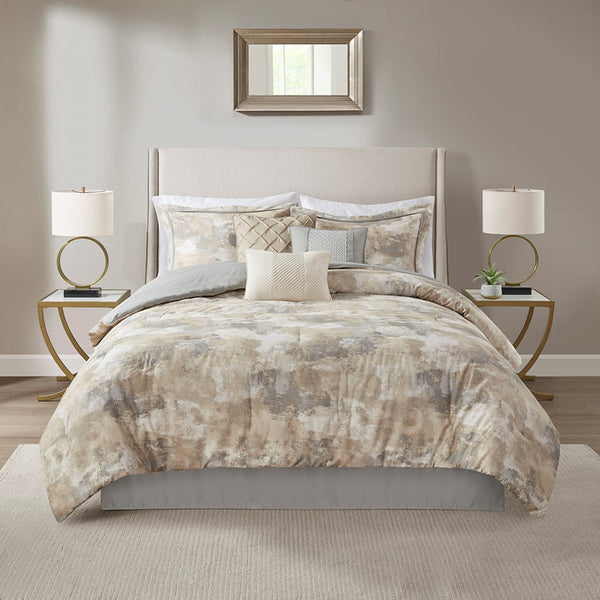

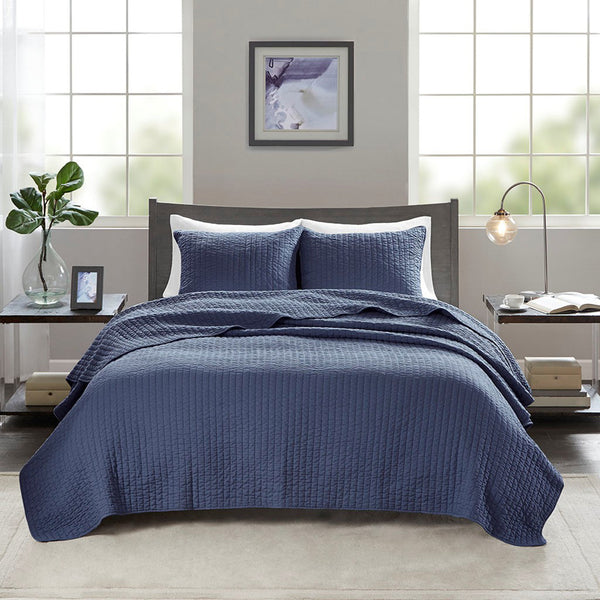

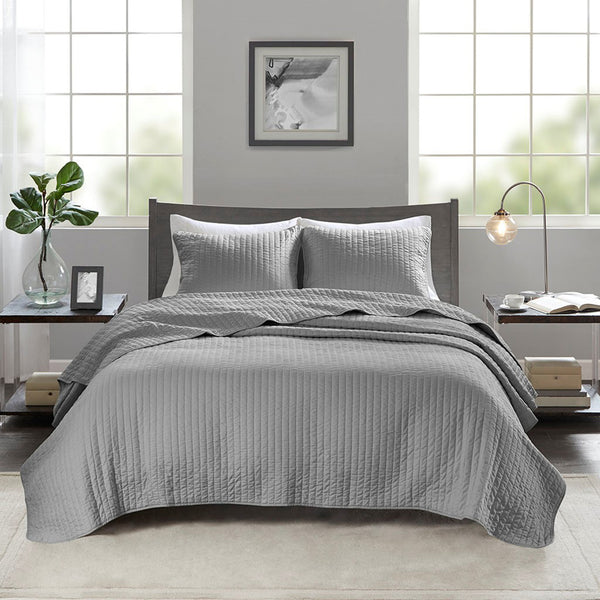

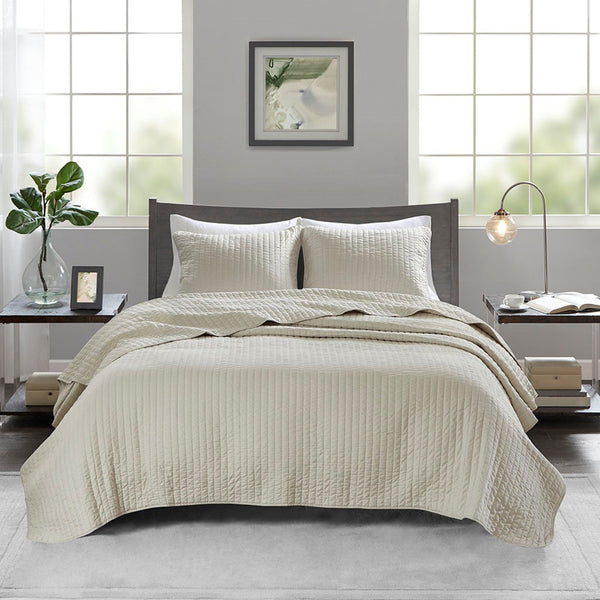

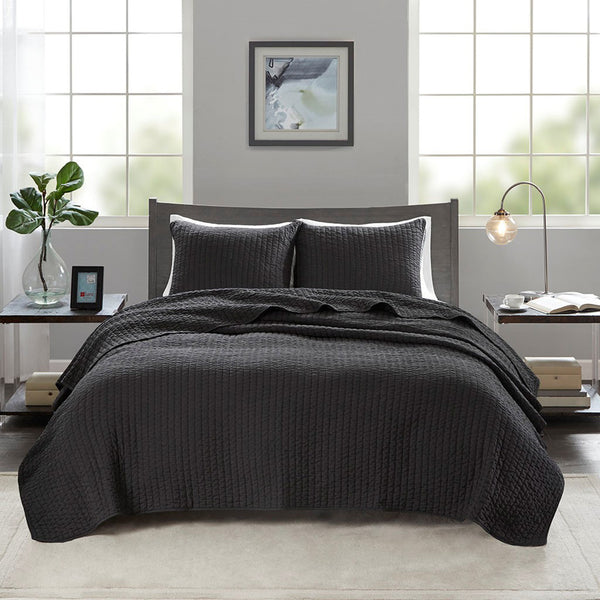




Better Bedding Starts with Better Sleep
Most people don't think much about their bedding until it starts keeping them awake.
Maybe you're constantly kicking the blankets off in the middle of the night. Maybe your sheets felt soft when you bought them but started pilling after a few months. Or maybe your comforter is so heavy that you're either too hot or not warm enough.
If any of that sounds familiar, you're not alone.
The truth is, your mattress is only part of the sleep equation. The bedding you choose plays a huge role in how cool, comfortable, and rested you feel each morning.
The right bedding can help regulate your temperature, wick away moisture, protect your mattress, and make your bed a place you actually look forward to climbing into at the end of the day.
One of the first questions we ask isn't what color bedding you like.
It's how you sleep.
Do you naturally sleep hot?
Are you always reaching for another blanket?
Do you want low-maintenance bedding that's easy to wash, or are you looking for premium natural materials?
There's no single "best" bedding for everyone.
The right bedding is the bedding that fits the way you sleep.
Whether you're refreshing your primary bedroom, putting together a welcoming guest room, or helping a college student settle into a dorm, this guide will walk you through the biggest decisions so you can shop with confidence.
From the Furniture Fair Showroom

"One of the first questions I ask customers isn't what color bedding they want. It's whether they usually sleep hot or cold. Once you know that, narrowing down the right bedding becomes much easier."
Matt Furnish, Louisville Store Manager & Bedroom Specialist
What You'll Learn in This Guide
By the end of this guide, you'll know:
- How to choose bedding based on the way you sleep
- The differences between comforters, quilts, coverlets, and duvets
- Which sheet materials work best for hot and cold sleepers
- Whether thread count really matters
- How cooling bedding works
- Common bedding buying mistakes to avoid
- How Furniture Fair's Good, Better, Best buying system helps simplify the decision
How to Choose the Right Bedding
Walk into any bedding department and it's easy to feel overwhelmed.
Comforters.
Quilts.
Duvets.
Coverlets.
Cotton.
Cooling fabrics.
Thread counts.
Performance materials.
Before long, everything starts to sound the same.
The good news?
Choosing bedding is actually much easier than it seems once you stop focusing on what's printed on the package and start thinking about how you sleep.
One thing we've noticed after helping thousands of customers furnish their bedrooms is that people often assume poor sleep means they need a new mattress.
Sometimes that's true.
But just as often, replacing worn-out sheets, switching to lighter bedding, or adding a mattress protector makes a bigger difference than they expected.
That's why we always start by understanding how someone sleeps before recommending specific products.
Step 1: Think About How You Sleep
One of our bedroom specialists, Matt Furnish, says one of the first questions he asks customers isn't what color they want.
It's whether they usually sleep hot or cold.
Once you know that, narrowing down the right bedding becomes much easier.
Ask yourself:
- Do you usually wake up feeling hot?
- Do you tend to get cold during the night?
- Do you prefer lightweight bedding or something with more weight?
- Do you have allergies or sensitive skin?
- Are you shopping for your primary bedroom, a guest room, a child's room, or a dorm?
Those answers will immediately point you toward better options.
For example, someone who sleeps hot will usually be happier with breathable cotton sheets and a lightweight quilt than a heavy comforter. Someone who's always cold may prefer layered bedding with a plush comforter that traps warmth.
The goal isn't buying what everyone else buys.
It's finding bedding that helps you sleep comfortably.
Step 2: Think in Layers, Not Individual Products
Most people shop for bedding one piece at a time.
The reality is, your bed works more like a system.
Every layer has a job to do, and together they create the comfort you feel every night.
| Layer | Why It Matters |
|---|---|
| Mattress Protector | Helps protect your mattress from spills, moisture, allergens, and everyday wear. |
| Fitted Sheet | Creates the surface you sleep on every night. |
| Flat Sheet | Adds comfort while helping keep blankets cleaner. |
| Blanket (optional) | Gives you extra warmth when you need it. |
| Comforter, Quilt, Coverlet, or Duvet | Provides warmth while defining the overall look of your bed. |
| Decorative Pillows & Throws | Add texture, style, and personality. |
Some people prefer a simple bed with a fitted sheet and comforter.
Others love layering quilts, throws, and decorative pillows to create a warmer, more finished look.
Neither approach is right or wrong.
The best setup is the one that helps you sleep well and feels right every time you climb into bed.
Comforter vs. Quilt vs. Coverlet vs. Duvet
This is probably the question we hear more than any other.
At first glance, these bedding options can look very similar.
But they each serve a different purpose, and understanding those differences makes shopping much easier.
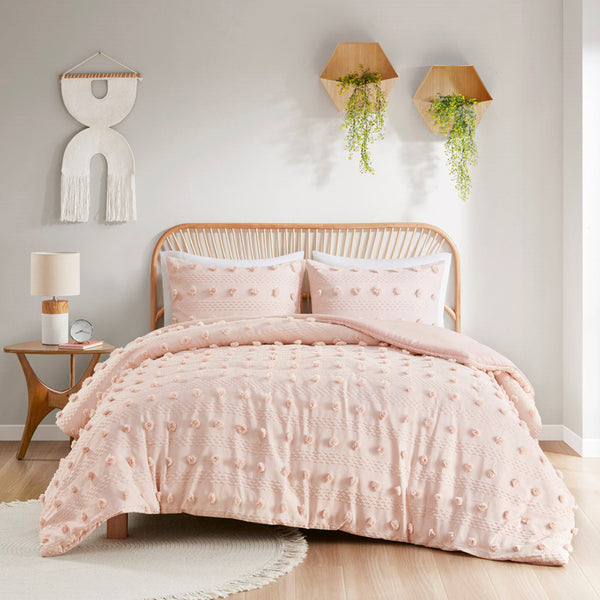
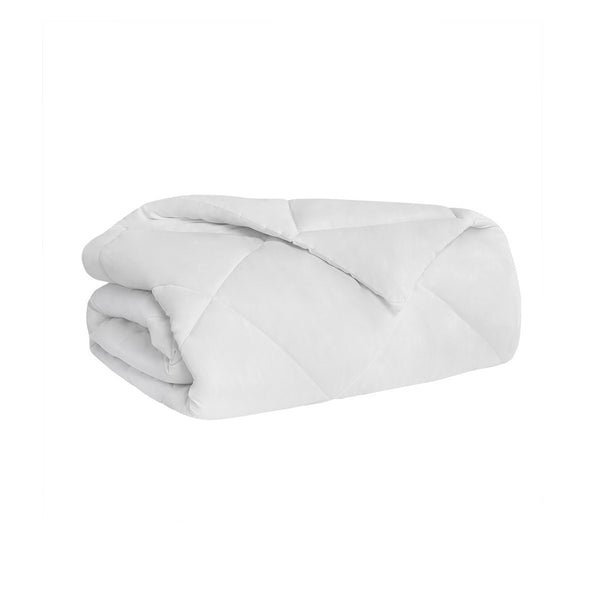
Comforters
If someone says, "I need new bedding," there's a good chance they're talking about a comforter.
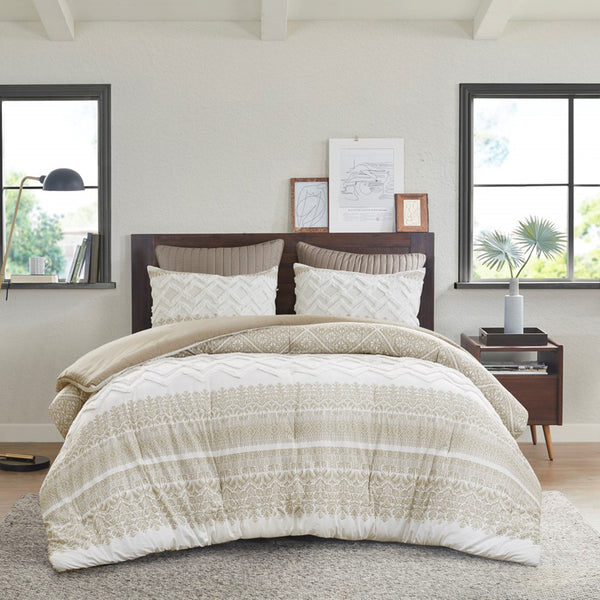
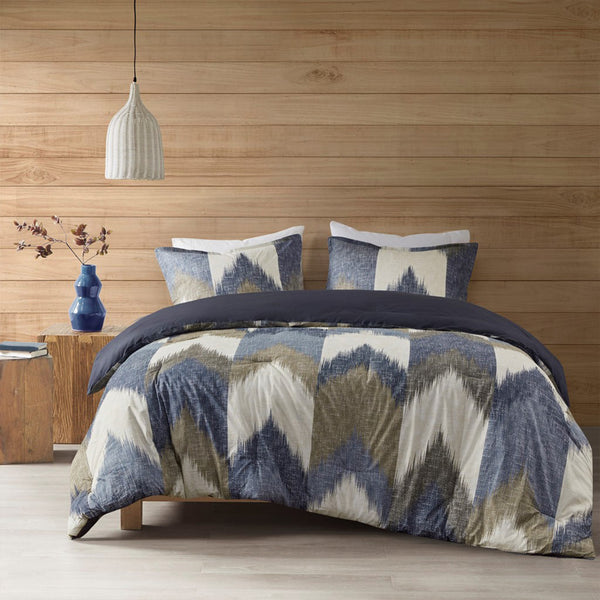
Comforters are warm, fluffy, and ready to use right out of the package. Because the filling is stitched inside, there's nothing extra to assemble or purchase.
For most households, a comforter is the easiest place to start. It works well year-round for many people and instantly gives the bed a finished, inviting look.
A comforter is a great choice if you:
- Like a soft, plush bed
- Want bedding that's ready to use
- Prefer one primary blanket
- Enjoy medium to heavier warmth
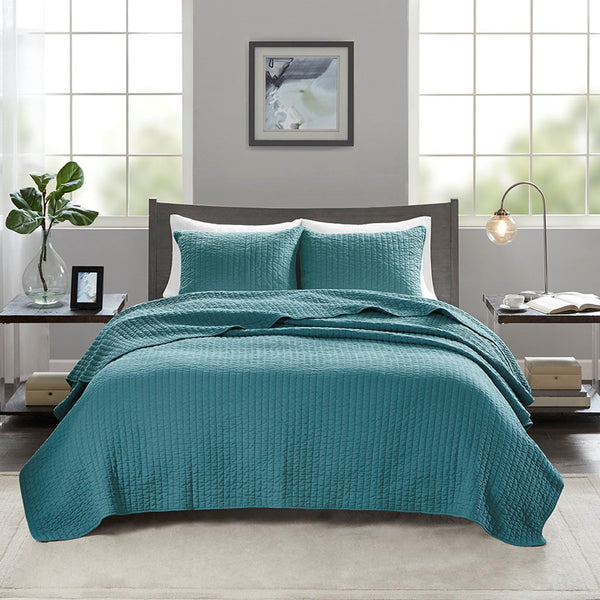
Quilts
If you tend to sleep warm, a quilt may become your favorite layer.
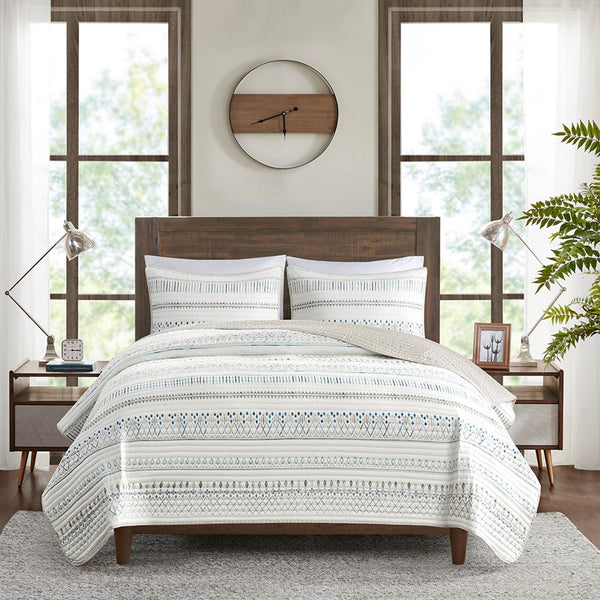
Quilts are lighter than comforters, making them a great choice for warmer climates or anyone who prefers bedding that doesn't feel heavy.
They're also incredibly versatile. Use one on its own during the warmer months or layer it with blankets when temperatures drop.
A quilt is a great choice if you:
- Sleep warm
- Prefer lightweight bedding
- Like a classic, timeless look
- Enjoy changing your bedding with the seasons
Coverlets
Coverlets are all about clean lines and layering.
They're typically thinner than quilts and are often used to give a bed a polished, finished appearance rather than provide significant warmth on their own.
Many homeowners pair a coverlet with a blanket or comforter underneath, making it an easy way to add texture without adding too much weight.
A coverlet may be right for you if you:
- Prefer a minimalist or contemporary look
- Like layered bedding
- Live in a warmer climate
- Want a lightweight decorative layer
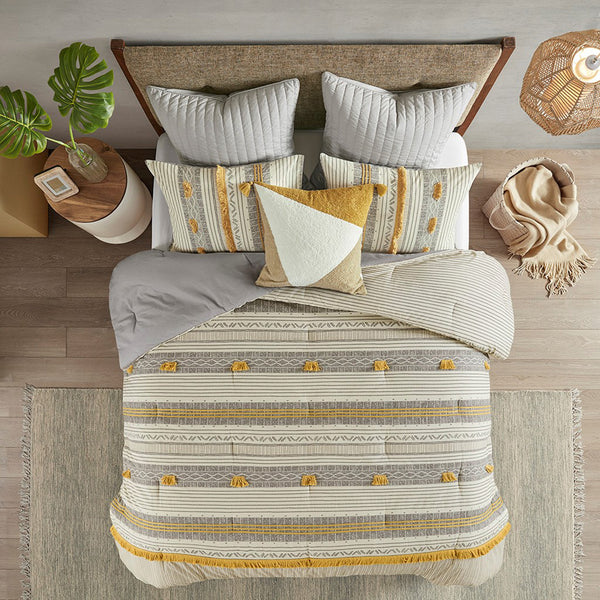
Duvets
If you like changing the look of your bedroom without replacing all of your bedding, a duvet is hard to beat.
Unlike a comforter, a duvet has two separate pieces: an insert and a removable cover.
That means you can refresh your bedroom simply by changing the cover or switch to a lighter or heavier insert as the seasons change.
It's one of the most flexible bedding options available.
A duvet is a great choice if you:
- Like changing your bedroom's style
- Want bedding that adapts to the seasons
- Prefer removable, washable covers
- Enjoy customizing your level of warmth
Which Top Layer Is Right for You?
Customers often ask us which option is best.
The honest answer?
It depends.
Some people love the cloud-like feel of a plush comforter.
Others sleep too warm for anything heavier than a quilt.
And if you enjoy updating your bedroom or adjusting for the seasons, a duvet offers flexibility that's hard to match.
There isn't one perfect choice.
There's only the choice that's right for the way you sleep.

01
Comfort That Fits Your Sleep
There isn't one perfect choice. There's only the choice that's right for the way you sleep.
Whether you prefer the cloud-like feel of a plush comforter, the lightweight breathability of a quilt, or the flexibility of a duvet, the best bedding is the bedding that helps you sleep comfortably night after night.
Sheets Buying Guide: How to Choose the Best Bed Sheets
Your comforter might be the first thing you notice when you walk into a bedroom.
Your sheets are what you notice every single night.
If you've ever climbed into a hotel bed and wondered why it felt so comfortable, the answer isn't always the mattress. More often than people realize, it's the sheets.
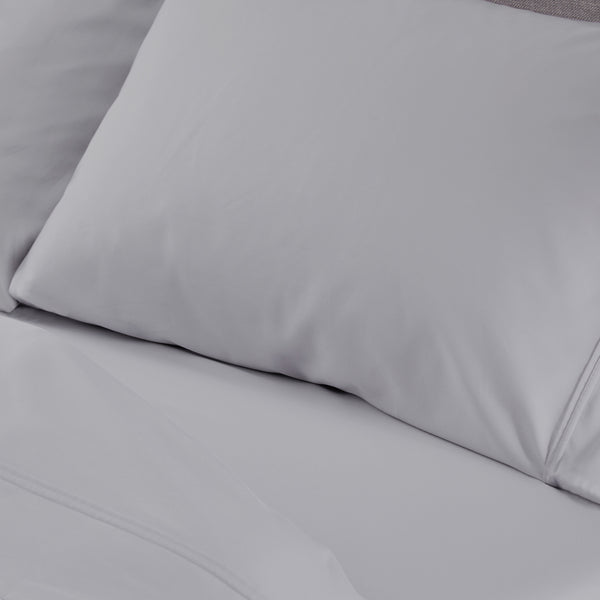
Because they're in direct contact with your skin, the right sheets can help you stay cooler, sleep more comfortably, and make climbing into bed something you actually look forward to.
The wrong sheets?
They can trap heat, wrinkle easily, pill after a few washes, or never quite feel as comfortable as you expected.
That's why choosing sheets is about much more than color or thread count.
It's about finding the sheets that fit the way you sleep.
What Are the Best Bed Sheets?
We hear this question all the time.
The honest answer?
It depends.
The best sheets for someone who sleeps hot aren't always the best choice for someone who gets cold at night. Busy families often want easy-care fabrics, while others prefer natural materials that feel soft and breathable.
Before comparing fabrics, ask yourself a few simple questions.
- Do you usually sleep hot or cold?
- Do you like crisp sheets or something silky and smooth?
- How much maintenance are you willing to do?
- Do you prefer natural fibers or easy-care performance fabrics?
- What's your budget?
If you're not sure where to start, cotton is usually where we'd begin. It offers an excellent balance of comfort, durability, breathability, and value for most households.
The best sheets aren't the ones with the biggest number on the package.
They're the ones you'll still enjoy sleeping on six months from now.
Choosing the Right Sheet Size
Few things are more frustrating than waking up because your fitted sheet has popped off one corner of the mattress.
We see it all the time.
Customers often assume they bought poor-quality sheets when the real issue is that the sheets simply don't fit the mattress properly.
Before you compare colors or fabrics, make sure you're shopping for the right size.
Furniture Fair carries sheets for:
- Twin
- Twin XL
- Full
- Queen
- King
- California King
- Split King
If your mattress has a pillow top or you're using a mattress topper, don't forget to check the pocket depth.
It's one of the easiest details to overlook, but it can make a huge difference in how your bed feels every night. A properly fitted sheet stays in place, feels smoother, and makes the bed noticeably more comfortable.
Bedding Materials Compared
Walk through the bedding department and you'll find dozens of different fabrics.
That can feel overwhelming until you realize each material is designed with a different type of sleeper in mind.
Once you understand what each one does best, narrowing down your options becomes much easier.
Cotton
If someone asks us where to start, cotton is usually our first recommendation.
It's breathable, durable, naturally soft, and comfortable throughout the year, making it an easy choice for most households.
Whether you're shopping for your primary bedroom or a guest room, cotton delivers the kind of everyday comfort that's hard to beat.
Cotton is a great choice if you:
- Want breathable bedding
- Sleep at average temperatures
- Prefer natural fibers
- Want dependable, everyday comfort
Organic Cotton
Organic cotton offers many of the same benefits as traditional cotton while appealing to shoppers who prefer natural materials.
Many customers also notice that organic cotton feels exceptionally soft right from the start.
If using natural fibers is important to you, it's well worth considering.
Organic cotton is ideal for:
- Natural fiber enthusiasts
- Eco-conscious shoppers
- Sensitive skin
- Premium bedding collections
Performance Fabrics
If your bedding spends almost as much time in the washing machine as it does on the bed, performance fabrics are worth a look.
They're designed to resist wrinkles, dry quickly, and stand up to frequent washing, making them especially popular with busy families, guest rooms, children's bedrooms, and anyone looking for low-maintenance bedding.
Performance fabrics are a smart choice if you want:
- Easy care
- Wrinkle resistance
- Fast drying
- Long-lasting durability
Velvet
Velvet creates a completely different sleeping experience.
It's not about staying cool.
It's about warmth, texture, and creating a bedroom that feels cozy the moment you walk in.
While velvet isn't usually the first choice for hot sleepers, it's a favorite during the colder months and for anyone who loves a layered, inviting bedroom.
Velvet is ideal if you:
- Sleep cold
- Love cozy bedding
- Want rich texture
- Prefer a warm, luxurious feel
Bedding Material Comparison
Every material has its strengths.
Here's a quick comparison to help you decide which one best matches your sleep style.
| Material | Best For | Feel | Cooling | Care |
|---|---|---|---|---|
| Cotton | Most sleepers | Soft & breathable | Excellent | Easy |
| Organic Cotton | Natural fiber lovers | Extra soft | Excellent | Easy |
| Performance Fabric | Busy households | Smooth | Very Good | Very Easy |
| Velvet | Cold sleepers | Plush & cozy | Low | Moderate |

02
Sheets You'll Still Love Six Months Later
The best sheets aren't the ones with the biggest number on the package.
They're the ones you'll still enjoy sleeping on six months from now.
Is Cooling Bedding Worth It?
If you've ever kicked the blankets off halfway through the night or flipped your pillow searching for the cool side, you've probably wondered if cooling bedding actually works.
For many people, it does.
Cooling bedding is designed to improve airflow, manage moisture, and help reduce heat buildup while you sleep.
One thing that surprises customers is how much of a difference new sheets can make.
People often assume they need a new mattress because they're sleeping hot.
Sometimes, switching to breathable sheets and lighter bedding is all it takes to sleep more comfortably.
Cooling bedding is worth considering if you:
- Wake up hot during the night
- Experience night sweats
- Live in a warmer climate
- Prefer lighter bedding
- Sleep with multiple blankets
- Share a bed with someone who sleeps warmer than you
For a deeper dive, our cooling mattress guide explains how cooling technology works across mattresses and bedding alike.
Does Thread Count Really Matter?
Few topics in bedding create more confusion than thread count.
For years, shoppers were told that a higher thread count automatically meant better sheets.
The truth is, that's one of the biggest myths in bedding.
Thread count simply tells you how many threads are woven into one square inch of fabric.
What it doesn't tell you is whether those threads are made from high-quality fibers, how breathable the fabric is, or how the sheets will feel after dozens of trips through the washing machine.
We'd much rather see someone buy a well-made cotton sheet with a moderate thread count than chase the biggest number on the package.
When comparing sheets, pay attention to:
- Material quality
- Breathability
- Weave
- Durability
- Moisture management
- Overall feel
Those factors usually have a much bigger impact on comfort than thread count alone.
Which Sheet Set Is Right for You?
Even within the same bedding department, sheet sets can feel completely different.
That's because the material, weave, and technology behind each set all affect how your sheets feel, how they breathe, and how they perform after months of washing.
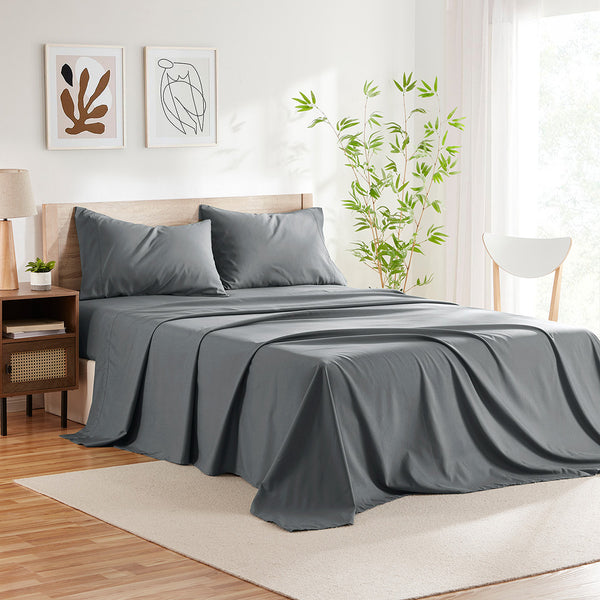
Furniture Fair carries four distinct sheet collections, each designed for a different type of sleeper.
Basic Performance Sheets
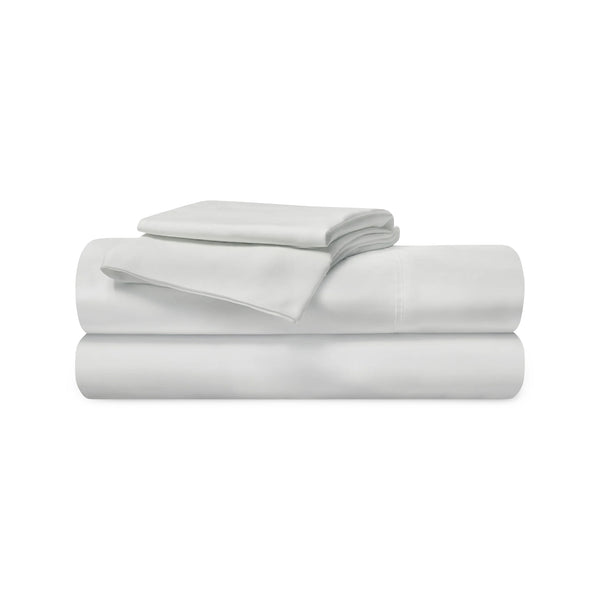
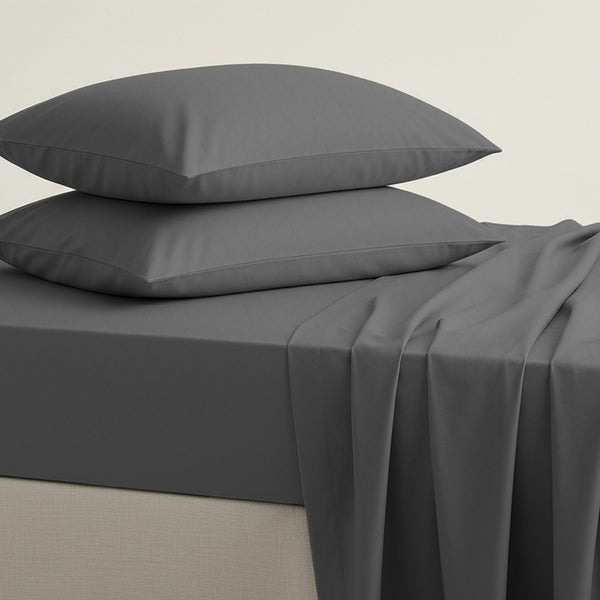
If you're furnishing a guest room, sending a student off to college, or simply looking for comfortable everyday sheets at a great value, our Basic Sheet Set from Bedgear is a smart place to start.
These lightweight, breathable sheets are OEKO-TEX Standard 100 certified and feature elastic corner holders for a secure fit, making them an excellent everyday option that's easy to care for.
Basic performance sheets are a great choice if you:
- Want comfortable everyday sheets at a great value
- Need easy-care, machine-washable bedding
- Are furnishing a guest room or first apartment
- Prefer lightweight, breathable sheets
Hyper-Cotton Sheets
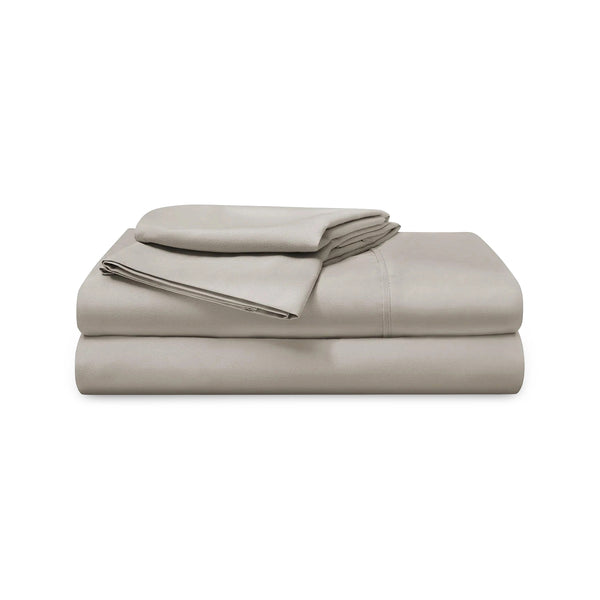
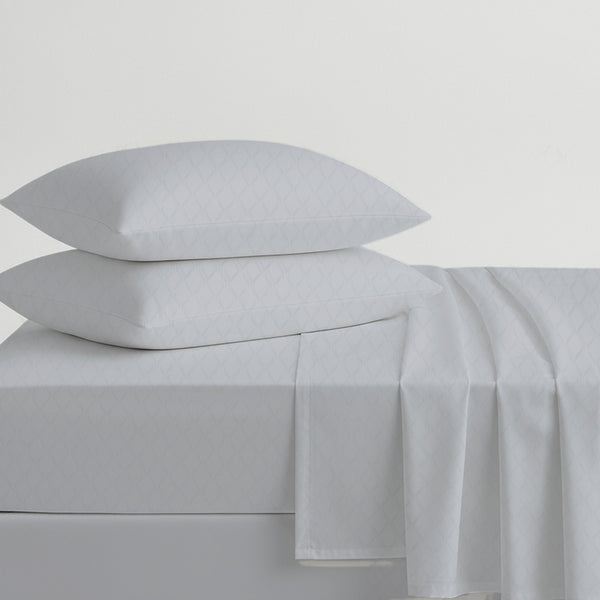
If you like the feel of cotton but want something with a silkier touch, Bedgear's Hyper-Cotton Sheet Set is worth a look.
These cotton-blend sheets are designed for enhanced airflow and quick drying, with Bedgear's Powerband® elastic that grips your mattress for a secure, tailored fit. They're available in three colors and a wide range of sizes, including Split King and California King.
Hyper-Cotton sheets are a great choice if you:
- Like the feel of cotton with a silkier touch
- Want enhanced airflow and breathability
- Prefer quick-drying, easy-care sheets
- Need hard-to-find sizes like Split King or California King
Organic Cotton Sheets
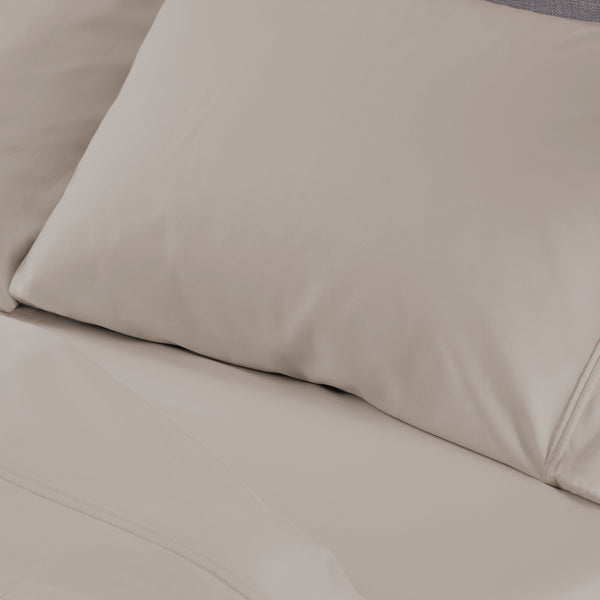
If natural materials and sustainable production matter to you, the Avocado Organic Cotton Sheets are among the softest sheets we carry.
Crafted from GOTS-certified organic cotton with a smooth sateen finish, these sheets are naturally wrinkle-resistant, lightweight, and breathable. They're MADE SAFE® certified, made in the USA, and gentle on sensitive skin, making them an ideal choice for clean, healthy sleep.
Organic cotton sheets are a great choice if you:
- Prefer natural, organic materials
- Have allergies or sensitive skin
- Want a silky-soft sateen finish
- Value sustainable, eco-friendly production
Cooling Cotton Sheets
If you're a hot sleeper looking for premium cooling performance, our Cooling Cotton Sheets from Lusomé are designed specifically for you.
Made with 100% luxury cotton and innovative temperature-regulating technology, these 400-thread-count sheets absorb excess heat before sweating begins and support continuous evaporative cooling. In an independent clinical study, hot sleepers averaged 26 additional minutes of sleep per night using these sheets.*
Cooling cotton sheets are a great choice if you:
- Sleep hot or experience night sweats
- Want premium 400-thread-count cotton
- Need advanced temperature-regulating technology
- Are willing to invest in premium cooling performance
Not sure which sheet set is right for you? The best way to decide is to visit your nearest Furniture Fair showroom and feel the difference for yourself.
*Based on an independent clinical study conducted with hot sleepers. Individual results may vary.
How Many Sheet Sets Do You Really Need?
This is another question we hear quite a bit.
For most households, we recommend having at least two sheet sets for every bed.
That way, one set can be on the bed while the other is in the wash.
It's a simple habit that makes laundry day easier and helps reduce wear by rotating between sets.
How Often Should You Replace Your Sheets?
Even the best sheets won't last forever.
If your sheets have started pilling, feel rough, won't stay on the mattress, or simply aren't as comfortable as they used to be, it may be time for a new set.
Quality sheets can last for years with proper care, but replacing worn bedding is one of the easiest ways to make your bed feel fresh, comfortable, and inviting again.
If your mattress is also showing its age, check our guide on when to replace your mattress.
Best Bedding Based on How You Sleep
One of the biggest mistakes people make is looking for the "best" bedding.
The truth?
There isn't one.
The best bedding for someone who sleeps hot is completely different from the best bedding for someone who's always reaching for another blanket.
Your body temperature, comfort preferences, lifestyle, and even the season all play a role in what helps you sleep your best.
Instead of asking, "What's the best bedding?"
Ask a better question.
"What's the best bedding for the way I sleep?"
Once you answer that, choosing the right bedding usually becomes much easier.
Best Bedding for Hot Sleepers
If you're constantly kicking the blankets off in the middle of the night or flipping your pillow searching for the cool side, your mattress may not be the problem.
Sometimes it's your bedding.
Heavy fabrics can trap heat, while breathable materials help air circulate and wick moisture away from your body.
If you tend to sleep warm, we usually recommend:
- Breathable cotton sheets
- Cooling bedding collections
- Lightweight quilts
- Coverlets
- Moisture-wicking performance fabrics
- Lightweight duvet inserts
One thing that surprises customers is how much difference a simple bedding change can make.
Many people assume they need a new mattress when lighter, more breathable bedding is enough to help them sleep comfortably.
Not sure if you run hot at night? Our hot sleeper guide covers the most common signs.
Best Bedding for Cold Sleepers
On the other hand, some people are never warm enough.
If you're the one reaching for another blanket while everyone else in the house seems comfortable, your bedding should focus on trapping warmth instead of letting it escape.
Many cold sleepers prefer:
- Plush comforters
- Velvet bedding
- Heavier duvet inserts
- Layered blankets
- Sateen sheets
- Multiple bedding layers that can be adjusted throughout the night
Layering is especially helpful because it gives you flexibility as the seasons change.
Best Bedding for Couples
If you've ever shared a bed with someone who sleeps at a completely different temperature, you know the challenge.
One person is kicking the blankets off.
The other is asking for another blanket.
Sound familiar?
You're definitely not alone.
Many couples find that flexible bedding works better than trying to find one perfect solution.
Some of our favorite options include:
- Breathable cotton sheets
- Medium-weight comforters
- Duvets with interchangeable inserts
- Layering blankets on one side of the bed
- Cooling sheets paired with warmer comforters
The goal isn't getting both people to sleep exactly the same.
It's giving each person enough flexibility to stay comfortable.
Best Bedding for Guest Rooms
A guest room doesn't have to match one person's sleep preferences.
It should feel comfortable to almost everyone.
That's why we usually recommend keeping things simple.
Many homeowners choose:
- Breathable cotton sheets
- Medium-weight comforters
- Neutral-colored quilts
- Easy-care performance fabrics
- Extra blankets stored nearby
A comfortable guest room isn't about having the fanciest bedding.
It's about creating a space where guests feel welcome the moment they climb into bed.
Best Bedding for College Dorm Rooms
College students are tough on bedding.
Between shared laundry rooms, busy schedules, and limited storage, durability often matters just as much as comfort.
We typically recommend:
- Easy-care sheet sets
- Wrinkle-resistant performance fabrics
- Lightweight comforters
- Mattress protectors
- Machine-washable bedding
The easier it is to wash and maintain, the happier most students will be throughout the school year.
Best Bedding for Families with Kids
Kids put bedding through a lot.
Spills.
Accidents.
Fort-building.
Countless trips through the washing machine.
That's why durability is often just as important as softness.
Many families choose:
- Performance fabrics
- Machine-washable comforters
- Mattress protectors
- Wrinkle-resistant bedding
- Durable cotton sheet sets
Easy-care materials help keep bedrooms looking fresh while making laundry day just a little easier.

03
Bedding That's Ready for Real Life
Kids put bedding through a lot. Spills, accidents, fort-building, and countless trips through the washing machine.
Easy-care materials help keep bedrooms looking fresh while making laundry day just a little easier.
Best Bedding for Pet Owners
If your dog or cat believes your bed belongs to them too, your bedding has a tougher job than most.
Pet hair, muddy paws, and frequent washing can take a toll over time.
That's why many pet owners appreciate bedding that's durable and easy to care for.
Popular choices include:
- Performance fabrics
- Durable cotton sheets
- Machine-washable comforters
- Mattress protectors
- Darker colors or patterns that help disguise pet hair between washes
The goal isn't keeping pets off the bed.
It's choosing bedding that's ready for real life.
Best Bedding for Every Season
Most people don't wear the same clothes in July that they wear in January.
Your bedding doesn't always need to stay the same either.
Making a few seasonal adjustments can help you stay comfortable all year long.
Spring
As temperatures begin to warm up, many people switch to:
- Cotton sheets
- Medium-weight quilts
- Lightweight blankets
- Layered bedding that's easy to adjust
Summer
Summer is all about staying cool.
Popular warm-weather choices include:
- Cooling sheet sets
- Breathable cotton sheets
- Coverlets
- Lightweight quilts
- Thin duvet inserts
Fall
As the weather cools down, it's a great time to start adding layers.
Many homeowners reach for:
- Medium-weight comforters
- Cotton sheets
- Decorative throws
- Layered quilts
Winter
Winter calls for warmth.
That's when many people bring out:
- Plush comforters
- Velvet bedding
- Heavy duvet inserts
- Extra blankets
- Layered bedding systems
The nice thing about layering is that you can always remove a blanket if you get too warm instead of replacing your entire bedding setup.
Common Bedding Buying Mistakes
After helping customers furnish their bedrooms for years, we've noticed the same buying mistakes come up again and again.
Fortunately, they're all easy to avoid.
Falling in Love with the Pattern First
It's easy to choose bedding because it looks beautiful.
But remember, you're going to sleep under it every night.
Comfort should always come before color.
Chasing the Highest Thread Count
One of the biggest myths in bedding is that a higher thread count automatically means better sheets.
It doesn't.
Material quality, weave, breathability, and construction usually have a much bigger impact on comfort than the number printed on the package.
Buying Bedding That Doesn't Match the Way You Sleep
Your neighbor's favorite bedding may not be your favorite bedding.
Someone who sleeps hot has very different needs than someone who's always cold.
That's why we always recommend starting with your sleep habits instead of trends.
Buying the Wrong Size
Before checking out, take a minute to verify:
- Mattress size
- Mattress height
- Pocket depth
- Comforter dimensions
It's a small step that can save a lot of frustration later.
Skipping the Mattress Protector
It may not be the most exciting purchase in the bedroom.
Until you need it.
A mattress protector helps guard against spills, moisture, allergens, and everyday wear while protecting one of the biggest investments in your home.
Forgetting About Laundry Day
Beautiful bedding doesn't stay beautiful if it's too difficult to care for.
Before buying, think about how often you'll realistically wash it and whether you're comfortable with the care instructions.
Assuming One Bedding Set Works Year-Round
Many people are happiest with lighter bedding during the summer and extra layers during the winter.
Making a few seasonal changes can have a bigger impact on your comfort than replacing everything at once.
Buying a New Mattress but Sleeping Under Old Bedding
We see this more often than you'd think.
Someone invests in a great new mattress...
...then puts ten-year-old sheets and flattened bedding right back on top of it.
Your mattress and bedding work together.
Updating both at the same time often creates a much bigger improvement in comfort than replacing either one by itself.
Why Shop Furniture Fair for Bedding?
Choosing bedding shouldn't feel like guessing.
Whether you're comparing sheet materials, trying to stay cooler at night, or deciding between a comforter and a duvet, our team is here to help you understand the differences so you can make a confident decision.
We'll answer your questions, explain the tradeoffs, and help you compare your options side by side without making the process feel overwhelming.
That's how we've helped families furnish their homes for generations, and it's still how we help customers every day.
When you shop Furniture Fair, you'll find:
- Comforters, quilts, coverlets, and duvet sets
- Cotton, organic cotton, velvet, and performance fabrics
- Cooling bedding options
- Mattress protectors
- Coordinating bedroom collections
- Complimentary design services
- Flexible financing options
- Honest guidance through our Good, Better, Best buying system
- Convenient showroom locations throughout Ohio, Kentucky, and Indiana
How to Care for Your Bedding
Quality bedding is something you'll use almost every day, so a little routine care goes a long way.
The good news is that keeping your bedding looking and feeling its best doesn't have to be complicated. A few simple habits can help your sheets stay softer, your comforter last longer, and your bed continue feeling fresh night after night.
Wash Your Sheets Regularly
Your sheets work harder than almost anything else in your bedroom.
They're in direct contact with your skin every night, so it's no surprise they collect body oils, sweat, dust, and everyday dirt over time.
Regular washing helps keep them feeling fresh while extending their lifespan.
Always follow the manufacturer's care instructions, since different fabrics and finishes may require different washing temperatures or drying methods.
Don't Forget Your Comforter or Quilt
Sheets usually get all the attention, but your comforter, quilt, or duvet cover needs regular care too.
One advantage of a duvet is that the cover can usually be removed and washed separately, making it easier to keep your bedding fresh without washing the insert as often.
No matter what type of top layer you choose, always check the care label before washing. Some bedding can go right into the washing machine, while others may need a larger-capacity washer or professional cleaning.
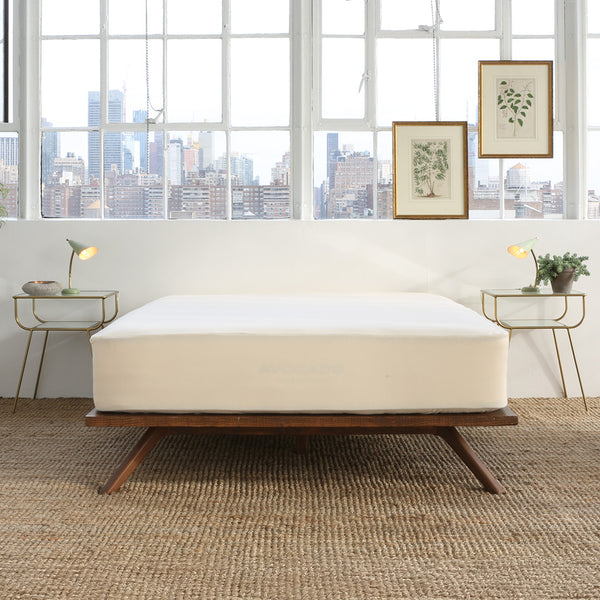
Use a Mattress Protector
A mattress protector isn't the most exciting thing you'll buy for your bedroom.
Until it saves your mattress.
It helps protect against:
- Spills
- Moisture
- Dust
- Allergens
- Everyday wear
Since it's much easier to wash a protector than a mattress, it's one of the simplest ways to protect one of the biggest investments in your home.
Store Seasonal Bedding the Right Way
If you switch bedding with the seasons, don't just toss your extra comforter into the closet.
Store off-season bedding in a cool, dry place using breathable storage bags that allow air to circulate while helping keep dust and moisture away.
Taking a few extra minutes to store bedding properly helps it stay cleaner, fresher, and ready to use when the weather changes.
Know When It's Time to Replace Your Bedding
Even the best bedding won't last forever.
If your sheets are thinning, your comforter has lost its loft, or your bedding simply doesn't feel as comfortable as it used to, it may be time for a refresh.
Some common signs include:
- Thinning fabric
- Persistent stains
- Pilling
- Flattened comforters
- Worn elastic on fitted sheets
- Tears or damaged stitching
- Bedding that no longer feels as comfortable as it once did
Sometimes replacing worn bedding is one of the easiest ways to make your entire bedroom feel new again.
Furniture Fair's Good, Better, Best Bedding Buying System
Walk through our bedding department and you'll probably notice something.
Two comforter sets may look almost identical.
Two sheet sets might even feel similar at first.
Yet one costs noticeably more than the other.
Why?
Usually, the difference isn't the pattern.
It's the quality of the materials, how the fabric is made, how well it breathes, how it feels after dozens of washes, and how long it continues looking and feeling great.
That's why Furniture Fair uses our Good, Better, Best buying system.
Instead of asking, "Which bedding costs the most?"
We encourage customers to ask a better question.
"Which bedding is right for the way I sleep?"
Once you understand what changes as you move from one quality level to the next, comparing bedding becomes much easier.
Good
If you're furnishing a guest room, helping a student get ready for college, or simply looking for comfortable everyday bedding at a great value, our Good collection is a smart place to start.
You'll often find:
- Durable everyday fabrics
- Easy-care construction
- Comfortable basic fills
- Excellent everyday value
A great fit for:
- Guest rooms
- First apartments
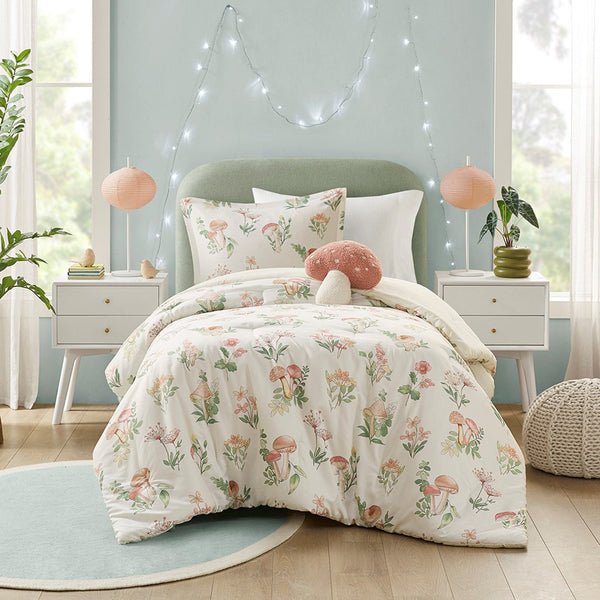
- Children's bedrooms
- Budget-conscious shoppers
Better
This is where many of our customers land.
Better collections offer noticeable upgrades in comfort, materials, and durability without stepping into premium pricing.
You may find:
- Softer fabrics
- Better cooling performance
- Higher-quality construction
- Improved durability
- Enhanced comfort features
A great fit for:
- Primary bedrooms
- Couples
- Everyday use
- Shoppers looking for the best balance of quality and value
Best
If you're the kind of person who notices the difference the moment you climb into bed, this is where you'll find our highest-quality bedding.
These collections often feature premium natural fibers, advanced cooling technology, elevated craftsmanship, and exceptional softness designed for years of everyday use.
You may find:
- Premium natural fibers
- Advanced cooling fabrics
- Superior construction
- Long-lasting durability
- Elevated comfort and finishing details
A great fit for:
- Primary bedrooms
- Hot sleepers looking for premium cooling options
- Long-term investments
- Anyone who wants the very best sleep experience
| Comparison | Good | Better | Best |
|---|---|---|---|
| Materials | Durable everyday fabrics | Softer, higher-quality fabrics | Premium natural fibers |
| Softness | Comfortable basic feel | Noticeably softer | Exceptional softness |
| Cooling Performance | Basic breathability | Better cooling performance | Advanced cooling fabrics |
| Durability | Good everyday durability | Improved durability | Long-lasting durability |
| Ease of Care | Easy-care construction | Easy care | Varies by material |
| Certifications | Standard | Select certifications | Premium certifications |
| Ideal Customer | Guest rooms, first apartments, children's bedrooms, budget-conscious shoppers | Primary bedrooms, couples, best balance of quality and value | Primary bedrooms, hot sleepers seeking premium cooling, long-term investments |
| Long-term Value | Excellent everyday value | Strong long-term value | Highest long-term value |
Comparison reflects general tier characteristics. Specific features vary by collection and manufacturer.
Frequently Asked Questions About Bedding
A comforter is ready to use right out of the package because the filling is sewn inside.
A duvet uses a removable cover over a separate insert, making it easy to refresh the look of your bed or switch to a lighter or heavier insert as the seasons change.
Both are lightweight alternatives to a comforter, but they serve slightly different purposes.
Quilts include lightly stitched filling for added warmth, while coverlets are usually thinner and are often used as a decorative layer or paired with other bedding.
If you tend to wake up warm, breathable cotton sheets and cooling bedding are usually where we'd recommend starting. They promote airflow and help manage heat and moisture throughout the night.
It's one factor, but it shouldn't be the only one you consider.
Material quality, weave, breathability, and overall construction usually have a much bigger impact on how your sheets feel than thread count alone.
Many people sleep more comfortably with breathable cotton sheets, cooling bedding, lightweight quilts, or coverlets during warmer months.
If you're trying to stay warm, look for plush comforters, velvet bedding, heavier duvet inserts, and layers you can adjust as temperatures change.
Absolutely.
It's one of the easiest ways to help protect your mattress from spills, moisture, allergens, and everyday wear while extending its lifespan.
Many comforters are machine washable, but the answer depends on the materials and construction.
Before washing, always check the care label for the manufacturer's recommendations.
If your sheets are thinning, your comforter has lost its loft, or your bedding simply isn't as comfortable as it used to be, it's probably time to replace it.
If natural fibers are important to you, many shoppers find organic cotton well worth the investment because of its softness, breathability, and environmentally conscious production methods.
Complete Your Bedroom
Great bedding is only part of creating a bedroom you'll love coming home to.
Complete your space with coordinating furniture and sleep products designed to work together beautifully.
Explore our selection of:
Mattresses Beds Nightstands Dressers Bedroom Mirrors Bedroom Furniture Collections Mattress Protectors Pillows Adjustable Bases
Whether you're furnishing a brand-new bedroom or simply refreshing your current space, coordinating furniture and accessories help create a room that's both comfortable and functional.
For more inspiration, read our guide to making your bedroom a sleep sanctuary.
Sleep Better with the Right Bedding
Better sleep doesn't come from one product.
It comes from putting the right pieces together.
A supportive mattress.
Comfortable sheets.
Bedding that matches the way you sleep.
Furniture that turns your bedroom into a place where you can truly relax at the end of the day.
Whether you're replacing worn-out sheets, upgrading to cooling bedding, or giving your bedroom a fresh new look, we're here to help you find products that fit your comfort preferences, your lifestyle, and your budget.
Browse our collection online or visit your nearest Furniture Fair showroom to compare fabrics, feel the difference between materials, and discover what works best for the way you sleep. We also offer convenient delivery through our own in-house delivery team, making it even easier to create the comfortable bedroom you've been dreaming about.
Because better sleep rarely comes from buying more.
It comes from choosing better.