Enjoy classic reclining comfort with zero cords, zero motors, and complete placement freedom. Shop manual rocker recliners, push-back club chairs, and handle-activated motion seating in durable fabric and genuine leather.
Manual Reclining Chairs Built for Every Room in Your Home
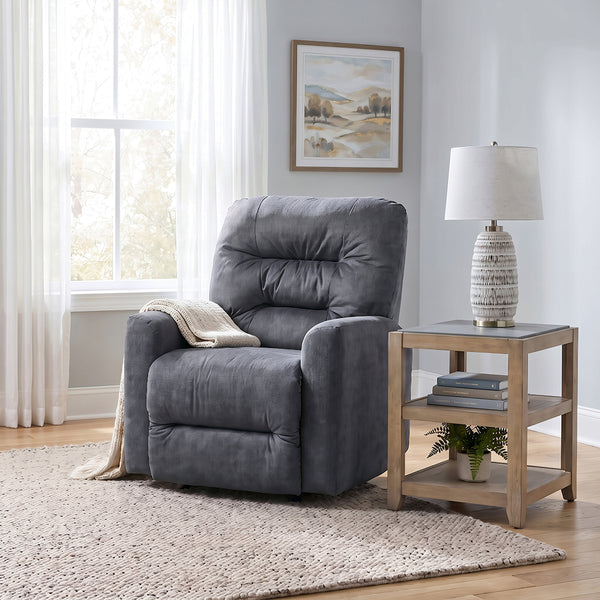
Manual recliners provide instant, effortless comfort without requiring proximity to an electrical outlet. Whether you prefer a sleek push-back accent chair or a classic lever-activated rocker recliner, manual seating gives you full freedom to float your chair anywhere in your living room.
A quality manual recliner offers pure mechanical dependability: no power cords stretching across walkways, no charging bricks to hide, and no electric motors to service. If you are searching for single-seat living room seating, this collection brings together traditional handle-release recliners, smooth nursery gliders, swivel rocker recliners, and tailored push-back chairs. Explore durable stain-resistant performance fabrics and rich top-grain leathers curated for everyday family comfort.
From the Furniture Fair Showroom
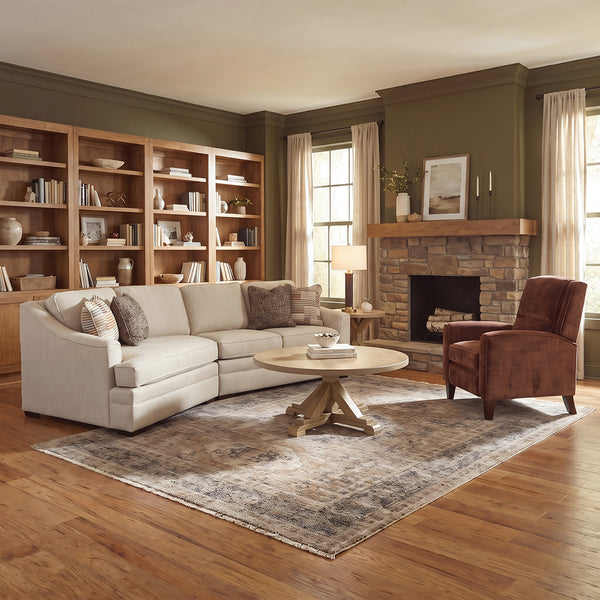
"A lot of folks walk in thinking power is the only way to go, but I tell them: manual recliners have one huge advantage. No cords. You can float that chair right out in the middle of the room, angle it toward the fireplace, and never worry about tripping over a wire or hunting for an outlet. But here's my advice before you buy: kick that footrest shut a couple times on the showroom floor. A pull-handle gives you extra mechanical leverage, while a push-back chair relies strictly on your body weight and leg strength to lock it back into place. If kicking that footrest closed feels like a workout for your knees, that tells you everything you need to know."
David Grzybek, Western Hills Showroom Manager, 25+ Years Experience
Why Choose a Manual Recliner Over Power Motion?
The biggest day-to-day distinction between manual and motorized seating comes down to placement versatility and instant responsiveness. Because a manual recliner has no motor, cord, or battery pack, you can place it anywhere in an open-concept living area, sunroom, or reading nook without routing extension cords across your floors. When you are ready to stand up, you simply swing your legs down and exit in one fluid motion, rather than waiting several seconds for an electric actuator to slowly close the footrest.
Manual recliners are also significantly lighter than power models. Without heavy motors, steel bracket sub-frames, and power supply transformers, a manual chair is much easier to shift when vacuuming, reposition when guests arrive, or carry down narrow basement stairs into a game room.
When Manual Reclining Makes Sense (and When It Does Not)
Manual motion is practical and reliable, but it is not the ideal solution for every household. Here is the straightforward comparison our showroom team shares with customers:
Manual Reclining Is Worth It If:
You want to float your chair away from walls without running cords across the carpet or charging battery packs.
You prefer standing up instantly; manual chairs kick closed and let you exit in one fluid motion without waiting for motors.
You want classic comfort, lighter overall weight, and maximum value for your furniture budget.
You love the soothing back-and-forth motion of a traditional rocker or glider recliner base.
Consider Power Reclining If:
Anyone in your home has knee stiffness, hip pain, or limited leg strength to push footrests shut.
You need an independent motorized headrest to keep your neck supported while watching television reclined.
You want infinite micro-adjustments and motorized lumbar support rather than fixed locking positions.
You want built-in USB charging ports or wireless device charging right at your seat.
Good, Better, Best: How Manual Recliner Quality Compares
At Furniture Fair, we believe in radical transparency about what you are paying for. Our Good, Better, Best quality system breaks down frame joinery, cushioning foam density, and mechanism construction across every price tier:
Good: Push-Back Accent Recliners
Clean, tailored profiles that look like stationary armchairs while concealing a smooth push-back mechanism for casual everyday lounging.
No exterior handles or visible hardware; push back using armrest leverage
Engineered multi-ply hardwood framing with reinforced corner blocks
1.8-lb high-resiliency foam seat cushions with sinuous spring support
Durable polyester fabrics designed for home offices and reading corners
Better: Rocker & Glider Recliners
The everyday family standard offering soothing motion bases, heavy-gauge steel mechanisms, and resilient high-density cushion cores.
Heavy-duty counterbalanced steel mechanism for effortless handle activation
Smooth rocker or glider tracks ideal for living rooms and nurseries
Individually wrapped pocket coil seat cores that resist sagging over years
Stain-resistant performance fabric upholstery that repels everyday spills and pet hair
Best: Top-Grain Leather & Heirloom Hardwood
Hand-crafted luxury seating featuring premium American hardwoods, multi-position locking mechanisms, and 100% genuine top-grain leather.
Kiln-dried solid hardwood framing with precision mortise-and-tenon joinery
Buttery top-grain leather that softens, breathes, and develops a rich patina
Commercial-grade multi-position steel linkage with 360-degree swivel-glider bases
Hand-tailored stitching, decorative nailhead trim, and lifetime structural frame integrity
Key Features to Look for When Choosing a Manual Recliner
Before settling on a chair, take a few minutes to evaluate how these four key factors match your room and your daily routine:
1. Mechanism Style: Pull-Handle vs. Push-Back
Pull-handle recliners use an exterior car-door style lever or a subtle inside parachute pull cord hidden between the arm and cushion. Pulling the release automatically kicks the footrest open using internal spring tension. Push-back recliners eliminate levers entirely; you simply grip the armrests and lean back. Push-back designs provide a cleaner, more tailored look that pairs well with traditional and transitional living room sets, but they require greater upper-body leverage to operate.
2. Base Options: Rocker, Glider, or Swivel
Standard manual recliners sit flat on four stationary feet. If you enjoy soothing motion while reading or nursing, a rocker recliner arches back and forth on heavy-duty springs, while a glider recliner glides horizontally along smooth roller tracks. Swivel rocker recliners combine both features, allowing you to turn a full 360 degrees toward conversation areas or windows without shifting the chair base.
3. Wall Clearance: Standard vs. Wall-Saver
Traditional manual recliners require 10 to 14 inches of space behind the chair back to recline fully. If you are placing your chair against a wall or furnishing a compact room, look for a wall-saver or wall-hugger recliner. These designs mount the chair chassis onto an internal sliding track that shifts the seat forward into the room as you lean back, requiring as little as 4 to 6 inches of wall clearance. For measuring tips, review our guide on how to measure your space for new furniture.
4. Fabric vs. Genuine Leather Upholstery
If you have pets, toddlers, or love casual snacking while watching sports, performance fabrics provide stain resistance and easy cleanability with mild soap and water. For heirloom durability and natural breathability, genuine leather recliners offer timeless luxury, staying cool in summer and warm in winter while repelling liquid spills naturally.
Frequently Asked Questions About Manual Recliners
A handle recliner uses an exterior lever or an interior recessed release to trigger a spring-loaded footrest. A push-back recliner has no levers or visible hardware; you simply place your hands on the armrests and lean back against the backrest using your body weight to push the chair into recline. Push-back recliners look like tailored stationary accent chairs when closed, making them popular in formal living rooms and conversation areas.
Standard manual recliners generally require between 10 and 14 inches of space between the back of the chair and the wall to recline fully. If floor space is tight, wall-saver or wall-hugger manual recliners utilize track mechanisms that slide the seat forward as the backrest reclines, reducing required wall clearance down to 4 to 6 inches.
Yes. Complete placement freedom is one of the greatest benefits of manual recliners. Because they do not rely on electric motors, power transformers, or wall outlets, you can float a manual recliner anywhere in your living room, basement, or bedroom without running extension cords across carpets or worrying about tripping hazards.
To close a manual recliner, sit upright and use your calves and heels to push firmly downward and backward against the footrest until the locking mechanism clicks into place. On handle-operated chairs, the lever returns to its starting position as the footrest locks shut. We always encourage shoppers to test the footrest closure in our showroom to confirm the leg resistance feels comfortable for daily use.
A rocker recliner sways back and forth on an arched track when upright, providing a traditional soothing rocking motion. A glider recliner moves horizontally on a linear swing track, offering an ultra-smooth gliding feel favored in nurseries and quiet reading spaces. A swivel recliner rotates 360 degrees on a circular base, allowing you to turn between conversations, windows, and television screens effortlessly.
Yes. Manual recliners are significantly lighter than motorized power recliners because they do not carry heavy electric linear actuator motors, iron chassis brackets, transformers, or wiring harnesses. This makes manual recliners much easier to reposition during cleaning, rearrange within a room, or carry through narrow hallways and basement stairwells.
A well-built manual recliner with a heavy-gauge steel mechanism, nylon bushings, and kiln-dried hardwood framing typically lasts 7 to 10 years or longer with normal household use. Because there are no electrical switches, circuit boards, or motors to burn out, manual mechanisms require virtually no maintenance beyond occasional light lubrication and routine cushion care.
Why Shop Furniture Fair for Manual Recliners?
Furniture Fair has served families across Ohio, Kentucky, and Indiana since 1963. Here is why generations of Midwest shoppers trust us for comfortable living room seating:
A wide selection of in-stock manual recliners, push-back chairs, and rocker bases ready for prompt local delivery
Honest Good, Better, Best quality guidance from experienced showroom managers who understand frame and mechanism durability
Our Low Price Guarantee ensuring you always receive the best value in our retail market
Complimentary interior design services to help measure clearance space and coordinate fabrics with your existing decor
Professional white-glove setup and in-house delivery directly to your room of choice
Experience Manual Reclining Comfort in Person
The only true way to know if a manual recliner fits your body is to sit in it, kick back, and test the footrest closure for yourself. Visit any of our showroom locations across Cincinnati, Dayton, Louisville, and Indianapolis (Greenwood), or schedule a showroom appointment with one of our furniture specialists. Need help getting it home? Furniture Fair offers convenient delivery through our own in-house delivery team, making it easy to enjoy your new furniture with confidence.
Related Categories
Explore more comfortable reclining and accent seating at Furniture Fair:




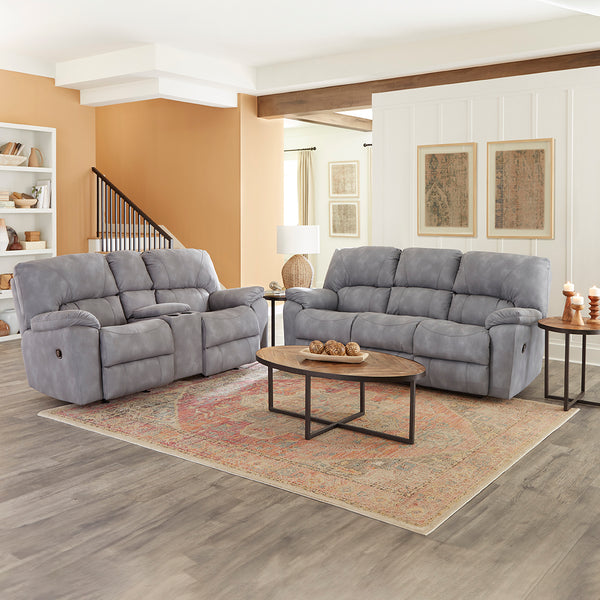

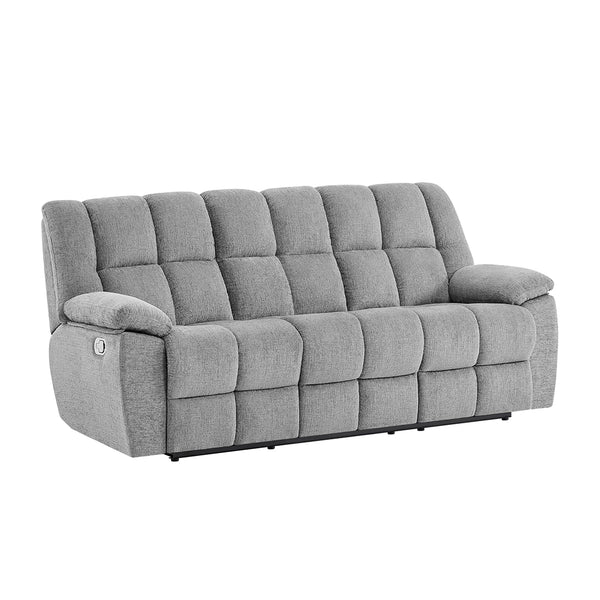
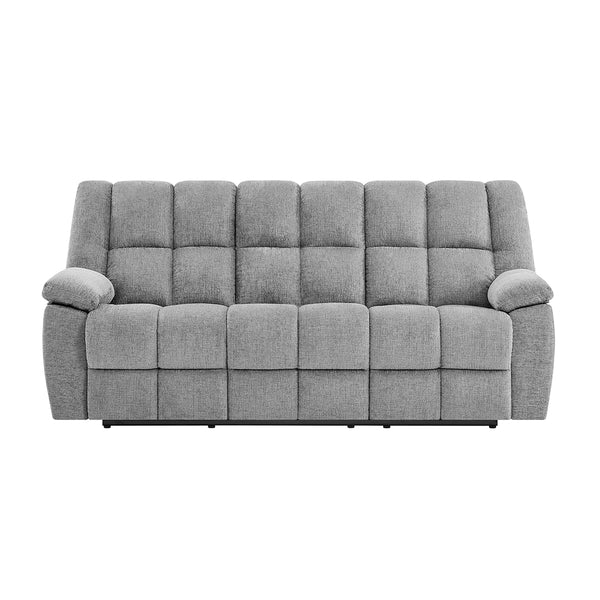
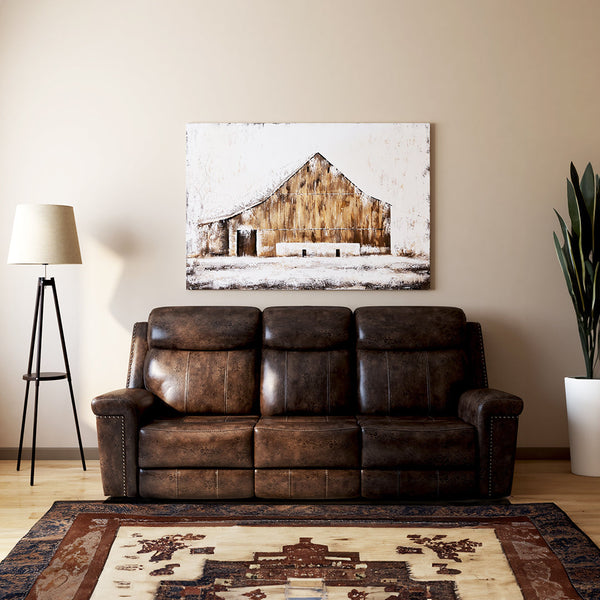
 Loveseat mecedor Rhino con consolaBy Home Stretch$1,438.99 $1,598.88Save $159.89USAConsoleCup HoldersStorage
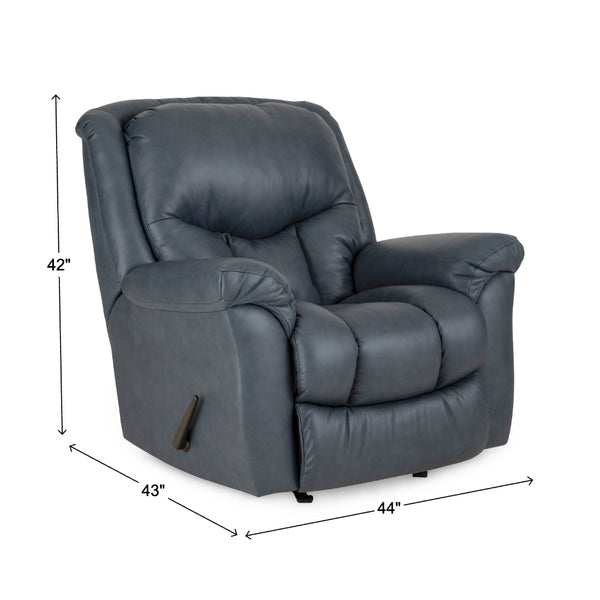


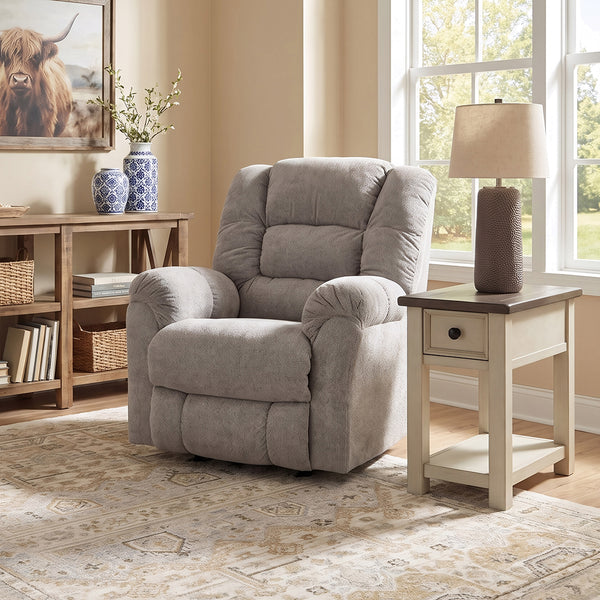


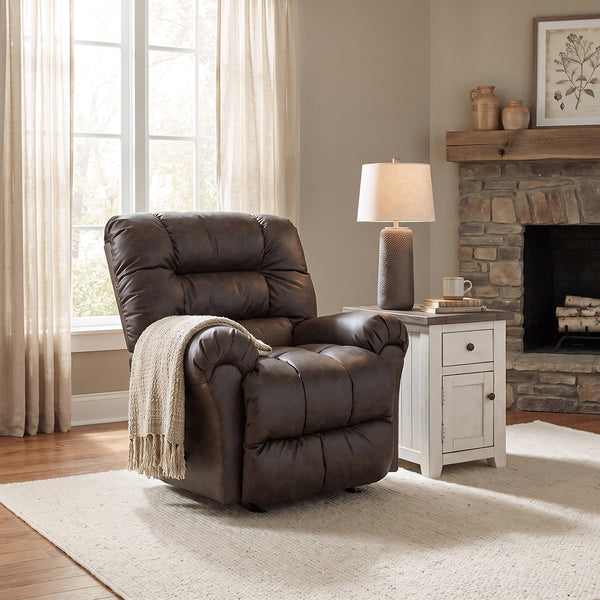





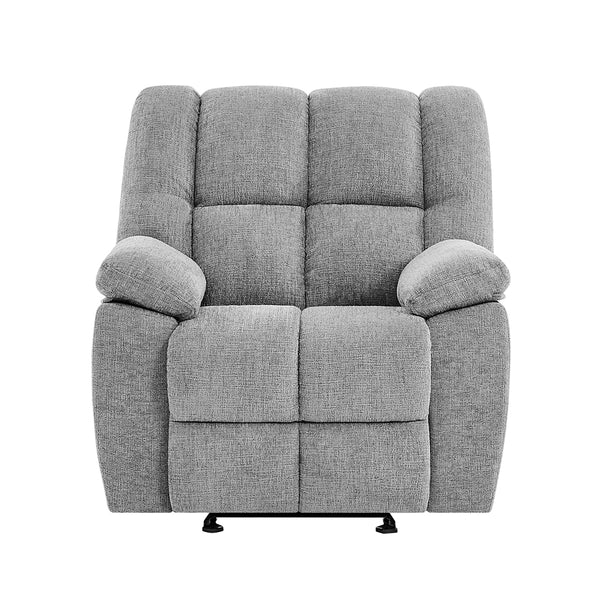




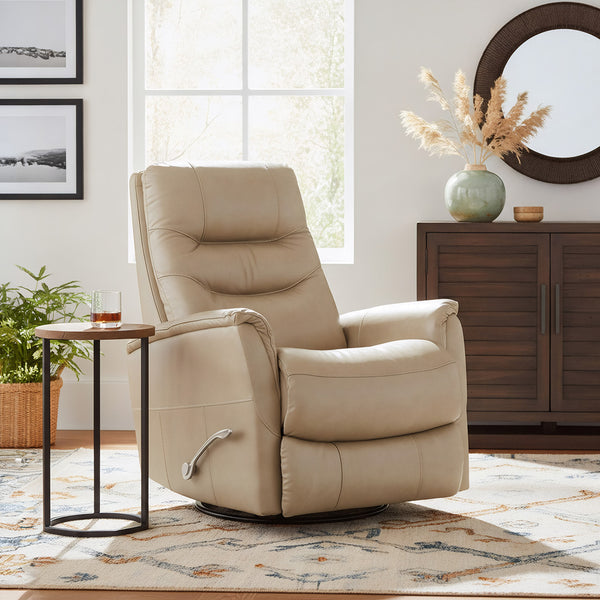


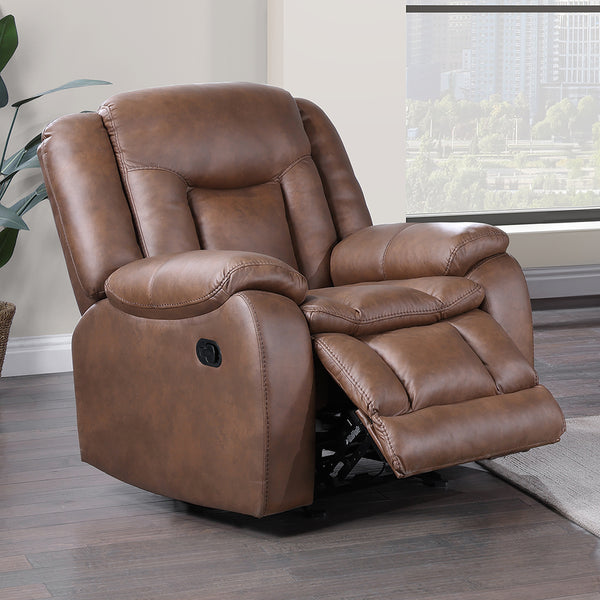
 Alta Leather Swivel Glider ReclinerBy Home Stretch$898.99 $998.88Save $99.89USATop GrainGliderLeather MatchSwivel Glider
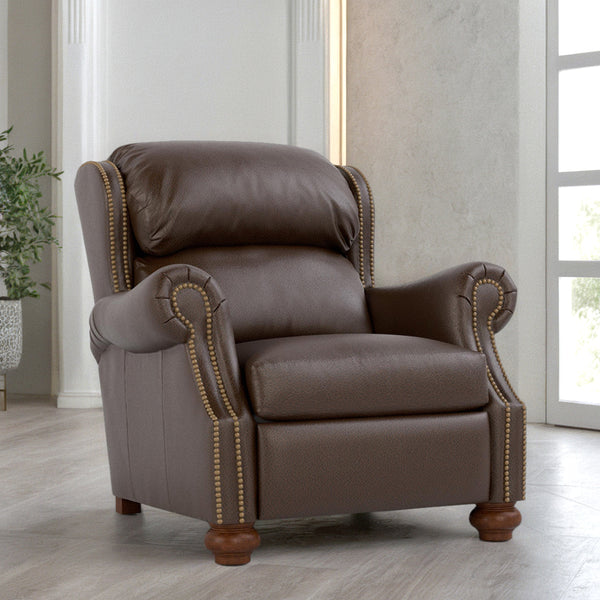
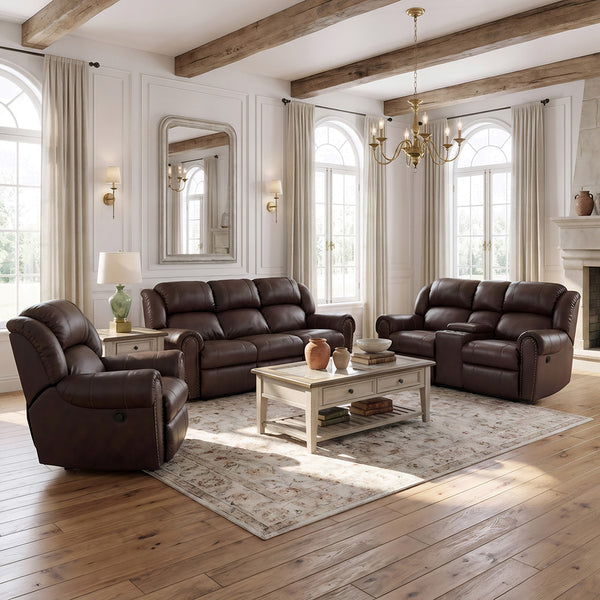 Franklin Leather Rocker ReclinerBy Home Stretch$1,438.99 $1,598.88Save $159.89USATop GrainLeather MatchNailhead


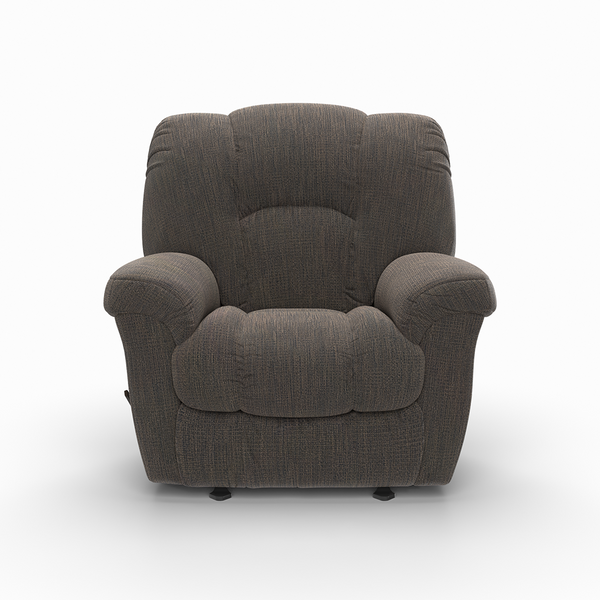


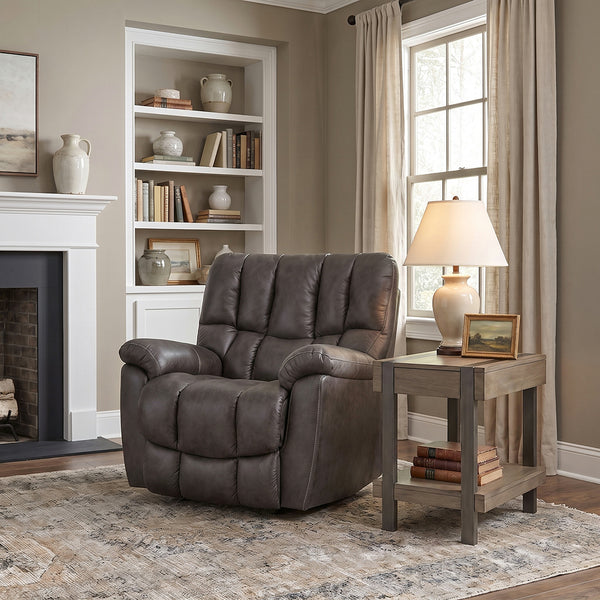


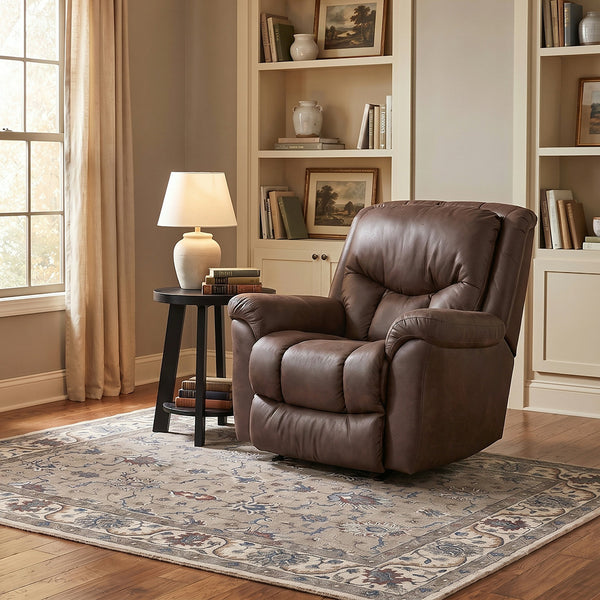


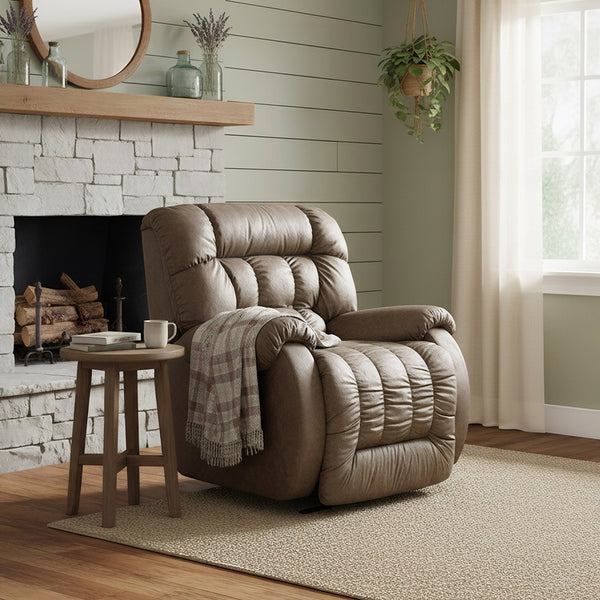

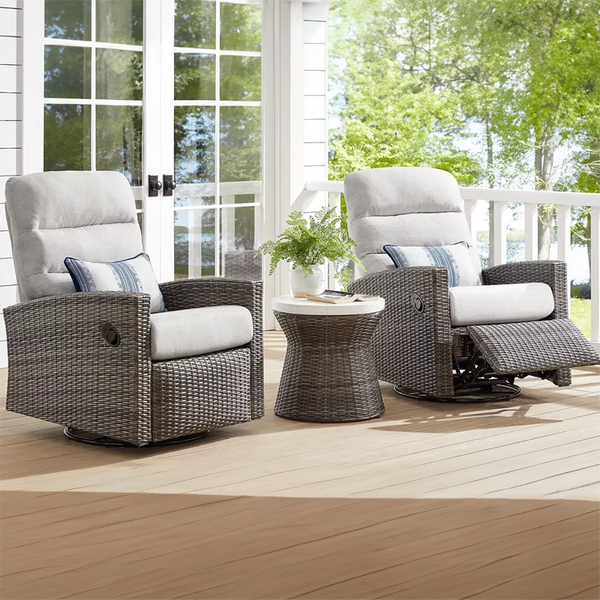 Sadie Outdoor Swivel Glider ReclinerBy Summit Home$799.99ClearancePerf FabricGliderSwivel Glider




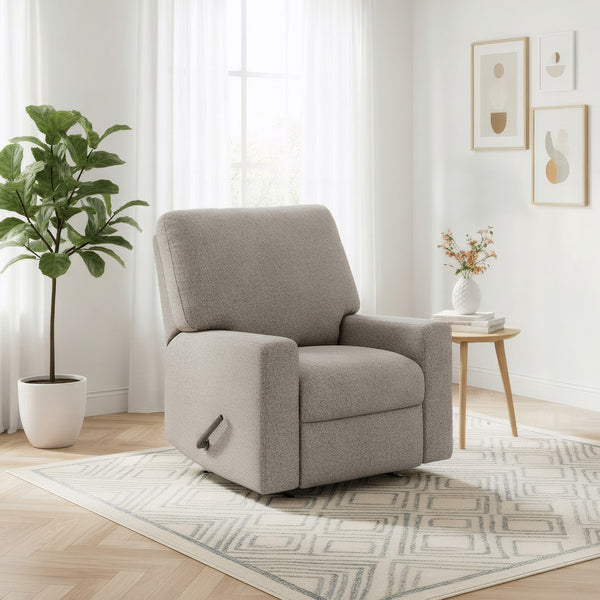


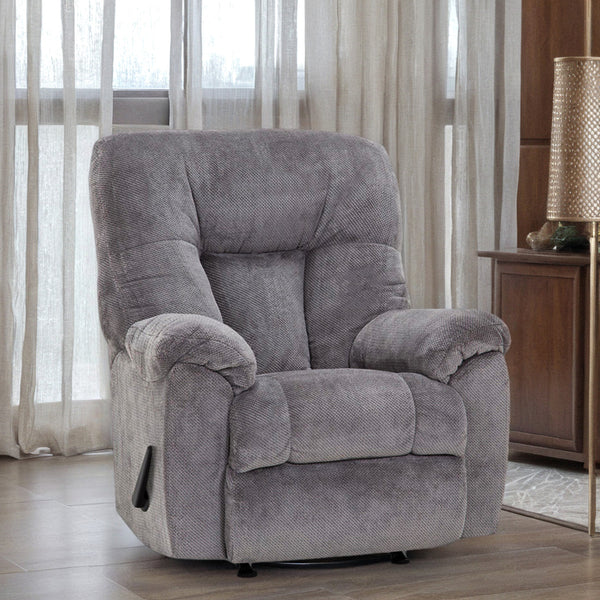

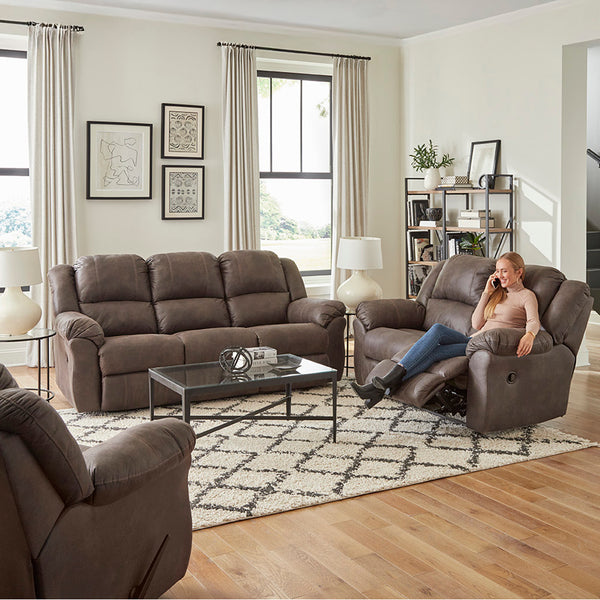

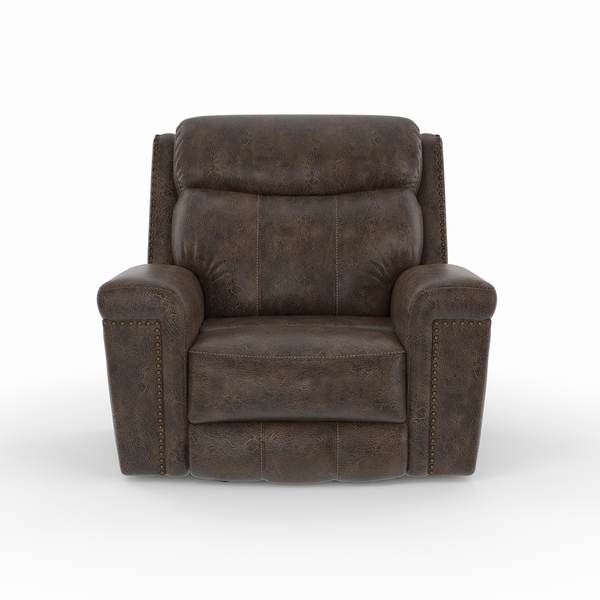




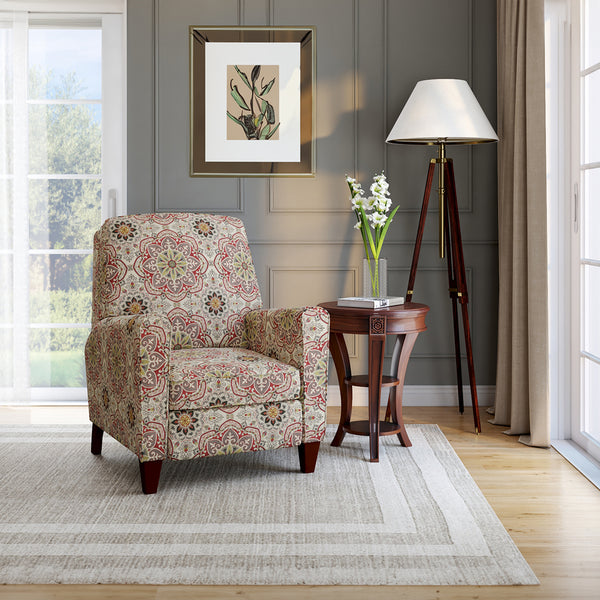



 Sillón reclinable giratorio WeaverBy England$1,078.99 $1,198.88Save $119.89USACustomizableGliderSwivel Glider