
Your Cart

What Dining Chair Is Right for Me? How to Choose the Best Fit
Dining Chair Guide
What Dining Chair Is Right for Me?
How to choose the best fit for your home, style, and budget
Start Your Search
In This Article
- Get the Height Right: Match Your Chair to Your Table
- Find Your Style: 5 Popular Dining Chair Looks
- Side vs. Arm Chairs and Material Choices
- Special Features to Consider
- Who Is This Chair For?
- How to Spot Quality Construction
- What You Get at Each Price Tier
- Quick Decision Guide
- Frequently Asked Questions
Which dining chair works best for your space? Should you choose upholstered seats or wooden chairs? Do you need arm chairs or will side chairs suffice? And how do you know if a chair is built to last?
Finding the right dining chair means balancing comfort, durability, style, and budget. With hundreds of options on the market, the decision can feel overwhelming. A chair that looks perfect in the showroom might not survive your household's daily routine, while a "practical" choice could leave you with buyer's remorse every time you sit down.
At Furniture Fair, we help shoppers compare dining seating every day, from budget-friendly chairs to heirloom-quality custom furniture, and we have seen firsthand which details matter long after the showroom visit.
In this guide, you'll learn how to match chairs to your table height, identify quality construction, and find the style that fits your life. We'll break down the real differences between price points so you can invest confidently, whether you're furnishing a formal dining room or a breakfast nook that sees daily use.
Get the Height Right: Match Your Chair to Your Table
Before you fall in love with a chair's style, you need to make sure it fits your table. Standard dining tables, counter height tables, and bar height tables each require different chair heights. A mismatch means uncomfortable seating and awkward postures.
| Table Type | Table Height | Chair Seat Height | Best For |
|---|---|---|---|
| Standard Dining | 28" to 30" | 18" to 20" | Traditional dining rooms, formal spaces |
| Counter Height | 34" to 36" | 24" to 26" | Kitchen islands, casual dining, open floor plans |
| Bar Height | 40" to 42" | 28" to 30" | Home bars, pub-style dining, entertaining areas |
Pro Tip
Allow 10 to 12 inches between the chair seat and the table surface. This gives you enough legroom to sit comfortably without feeling cramped. For a deeper dive into sizing, see our guide on what size dining set is right for your space.
Find Your Style: 5 Popular Dining Chair Looks
Your dining chairs should reflect your personal style while complementing your existing decor. Here are five distinct style categories to help you narrow your search.
Enduring Elegance
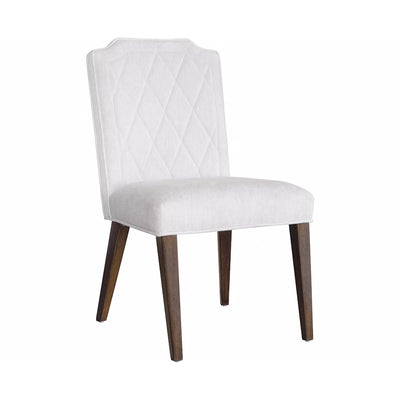
Silla auxiliar tapizada Asher Park
$298.88 $257.04 Save $41.84
Classic silhouettes that never go out of style. Think spindle backs, Windsor chairs, and traditional wood finishes.
Characteristics:
- Rich wood tones (cherry, mahogany, walnut)
- Ornate details like carved legs or button tufting
- Neutral or jewel-tone upholstery options
- Solid wood construction
Best For:
- Formal dining rooms
- Traditional homes
- Those who want timeless pieces
Urban Mod
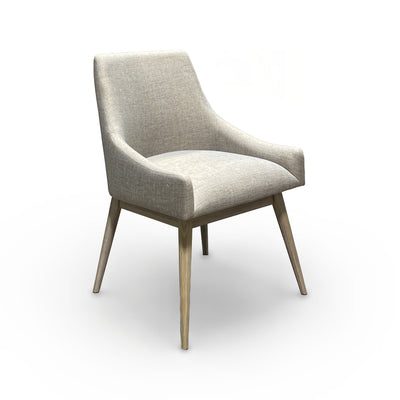
Silla de comedor Olivia
$249.99
Clean lines, minimal ornamentation, and contemporary materials. These chairs make a statement without overwhelming the space.
Characteristics:
- Sleek metal frames (brass, matte black, chrome)
- Bold geometric shapes
- Leather or performance fabric seats
- Low or no backs for an airy feel
Best For:
- Loft apartments and modern homes
- Minimalist interiors
- Those who love current trends
Country Chic
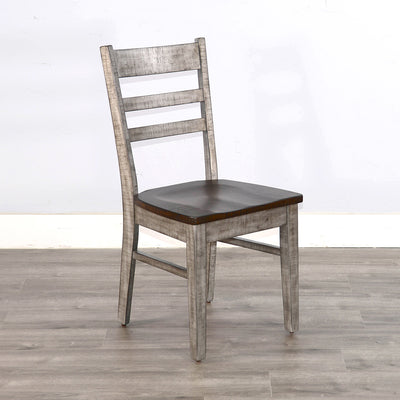
Silla de comedor Homestead Hills
$148.88 $128.04 Save $20.84
Rustic charm meets refined styling. These chairs bring warmth and character to any dining space.
Characteristics:
- Distressed or reclaimed wood finishes
- Woven rush or rattan seats
- Cross-back or ladder-back designs
- Soft, neutral upholstery fabrics
Best For:
- Farmhouse-style homes
- Cottage and coastal interiors
- Families who want relaxed, inviting spaces
Local flavor: Picture a farmhouse table in a historic Harrison, Ohio homestead, or a cozy kitchen nook in Northern Kentucky's rolling hills. That is the country chic vibe.
Luxe Living
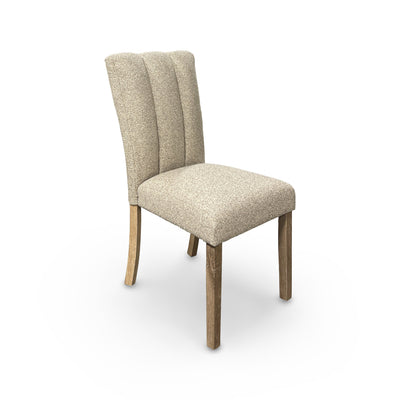
Silla de comedor Margo
$148.88 $128.04 Save $20.84
High-end materials and sophisticated details. These chairs elevate everyday dining into something special.
Characteristics:
- Velvet or leather upholstery
- Tufted backs and nailhead trim
- Curved, sculptural frames
- Rich, saturated colors
Best For:
- Statement dining rooms
- Those who entertain frequently
- Investment pieces you will keep for years
Local flavor: Picture formal dining rooms designed for entertaining, layered with rich textures and statement seating. Think elegant dinner parties in Indian Hill estates or the stately homes lining Dayton's Oakwood neighborhood. These chairs make a lasting impression.
Globally Inspired
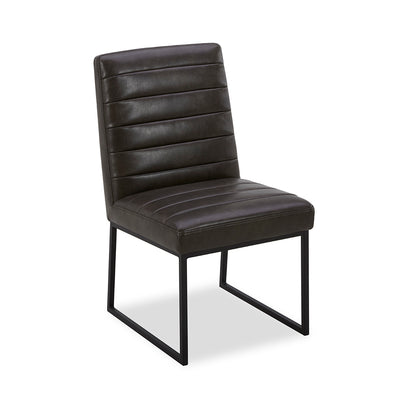
Silla de comedor tapizada Copley
$298.88 $257.04 Save $41.84
Designs that draw from international influences. These chairs add worldly character to your dining room.
Characteristics:
- Cane, rattan, or woven elements
- Natural wood tones with visible grain
- Handcrafted details
- Organic, sculptural shapes
Best For:
- Eclectic interiors
- Bohemian or transitional styles
- Those who appreciate artisan craftsmanship
Side vs. Arm Chairs and Material Choices
Now that you have explored styles, let us break down two fundamental choices: arm chairs versus side chairs, and upholstered versus wood seats.
Side Chairs vs. Arm Chairs
| Feature | Side Chairs | Arm Chairs |
|---|---|---|
| Space Efficiency | Fit more chairs around the table | Require more room; best at heads of table |
| Comfort | Less support; easier to slide in and out | Arm support; more substantial feel |
| Visual Weight | Lighter, more open look | Anchors the table visually |
| Best Placement | Along table sides | Head and foot positions |
| Price Point | Generally less expensive | Higher due to more materials |
Upholstered vs. Wood Seats
| Feature | Upholstered | Wood |
|---|---|---|
| Comfort | Cushioned; better for long dinners | Firm; may need cushions for extended seating |
| Maintenance | Requires fabric care; potential for stains | Easy to wipe clean; shows scratches |
| Durability | Depends on fabric quality | Very durable; can last decades |
| Style Flexibility | Easy to reupholster for new looks | Fixed appearance; harder to change |
| Best For | Formal dining, comfort-first spaces | Casual dining, high-traffic areas |
Design Tip
Many designers mix side chairs along the table with arm chairs at the heads. This creates visual interest and saves space where you need it most.
Special Features to Consider
Beyond style and material, today's dining chairs offer features that can improve comfort, convenience, and longevity.
Swivel Bases
Great for conversation flow and easy seating. Ideal for open floor plans where chairs might pull double duty as extra living room seating.
Casters
Wheels make chairs easy to move for cleaning or rearranging. Premium brands like Smith Brothers offer casters on many dining chairs.
Performance Fabrics
Stain-resistant and easy to clean. Brands like Sunbrella and Crypton offer protection without sacrificing comfort. Look for performance fabric options on chairs like the Noble and Legacy.
Nail Head Trim
Decorative tacks that add traditional elegance. Typically found on upholstered chairs in the Enduring Elegance and Luxe Living categories.
Who Is This Chair For?
Different households have different priorities. Find the profile that matches your situation to see what matters most for your purchase.
The Durability Seeker

"I want chairs that will outlast my kids' childhoods."
What matters:
- Solid wood or metal frames
- Performance fabrics or wood seats
- Reinforced joinery
- Easy-to-clean surfaces
Look for: USA-made brands like Stickley and Smith Brothers, known for premium construction and long-term durability.
The Comfort First Buyer

"We host long dinner parties. Comfort is non-negotiable."
What matters:
- Padded seats and backs
- Arm support
- Ergonomic design
- Quality cushioning (high-density foam)
Look for: Upholstered chairs with down-blend cushions or memory foam. Consider swivel bases for flexibility.
Pro tip: If your home regularly becomes gathering central on game days, stackable or easy-to-move chairs can make overflow seating much easier. Whether you are cheering on the Bearcats, Redhawks, or Florence Y'alls, having flexible seating keeps the whole crew comfortable. Learn more about our community partnerships.
The Value Conscious

"I want the best quality I can get within my budget."
What matters:
- Good construction basics
- Timeless style that will not date
- Easy maintenance
- Warranty coverage
Look for: Mid-range brands with solid warranties. Consider wood seats over upholstery to reduce long-term maintenance costs.
The Family Proof Planner

"With kids and pets, I need furniture that can handle chaos."
What matters:
- Stain-resistant fabrics
- Durable finishes
- Easy-to-clean surfaces
- Repairable construction
Look for: Performance fabrics like Sunbrella, Crypton, or Revolution. Wood chairs with distressed finishes hide scratches well.

The right chairs bring family together for generations of memories.
How to Spot Quality Construction
A $200 chair and an $800 chair might look similar in photos, but the differences become obvious over time. Here is what to examine.
Construction Comparison
| Component | $200 Chair (Entry) | $800+ Chair (Premium) |
|---|---|---|
| Frame Material | Particle board, MDF, or softwoods | Solid hardwoods (oak, maple, cherry) |
| Joinery | Staples, glue, basic dowels | Mortise-and-tenon, dovetail, screwed joints |
| Seat Support | Webbing or basic plywood | Springs (coil or sinuous), solid wood frame |
| Cushioning | Thin foam (1.5 to 2 inches), polyester fill | High-density foam (3+ inches), down blends |
| Fabric Quality | Low rub count (10,000 to 15,000) | High rub count (50,000+ double rubs) |
| Finish | Lacquer spray, prone to chipping | Multi-step hand finish, catalyzed for durability |
| Warranty | 1 to 2 years limited | 5+ years to lifetime on frame |
7 Quality Signals to Check In-Store
1
Weight
Heavier chairs typically use solid wood. Light chairs often rely on hollow frames or particle board.
2
Joint Stability
Gently wiggle the backrest and legs. Quality chairs feel solid with no creaking or movement.
3
Finish Consistency
Check underneath the seat and behind the back. Quality finishes are consistent everywhere, not just visible surfaces.
4
Seat Comfort
Sit for at least 30 seconds. Quality foam springs back; cheap foam compresses and stays flat.
5
Fabric Tautness
Upholstery should be tight with no wrinkles or sagging. Check for even stitching and pattern alignment.
6
Leg Levelers
Premium chairs often include adjustable levelers to ensure stability on uneven floors.
7
Manufacturer Reputation
Research the brand. Ohio-made Mavin builds furniture designed to last generations. Stickley and Smith Brothers bring decades of proven quality.
What You Get at Each Price Tier
Understanding what drives price differences helps you decide where to invest and where to save.
$150 - $300
Entry Level
Mass-produced chairs designed primarily for lighter use and budget-conscious shoppers.
- Basic wood or metal frame
- Stapled or glued joints
- Thin foam cushioning
- Standard fabric options
- Limited warranty (1 to 2 years)
- Often requires assembly
Best for: Temporary spaces, staging, or very light use.
$350 - $600
Mid-Range
Sweet SpotBetter construction with quality materials. These chairs can last 7 to 10+ years with proper care.
- Solid wood or sturdy metal frame
- Screwed and glued joints
- Medium-density foam
- Better fabric selection
- 3 to 5 year warranty
- Arrives assembled or minimal assembly
Best for: Most families, everyday dining, good value for investment.
$700+
Premium
Heirloom-quality construction. These chairs can last decades and become family pieces passed down.
- Premium solid hardwoods
- Mortise-and-tenon joinery
- High-density foam with down wraps
- Custom fabric and finish options
- 5-year to lifetime warranty
- Domestic manufacturing from brands like Stickley, Mavin, Smith Brothers, and Trailway
Best for: Forever homes, formal spaces, those who value American craftsmanship.
Quick Decision Guide
Use this if/then reference to match your situation to the right chair type.
If you have young children...
Then choose performance fabric or wood seats with distressed finishes.
If you host formal dinner parties...
Then invest in upholstered arm chairs with high-density foam cushions.
If you have a small dining space...
Then use side chairs exclusively or arm chairs only at table ends.
If you want furniture to last 20+ years...
Then choose USA-made solid wood chairs with lifetime warranties.
If you have pets that shed...
Then choose tight-weave fabrics or leather; avoid velvet and loose weaves.
If you change decor frequently...
Then choose classic wood chairs or upholstered chairs you can re-cover.
Ready to Choose Your Dining Chairs?
Finding the right dining chair comes down to understanding your needs, recognizing quality, and investing at a level that makes sense for your household. Whether you are furnishing a formal dining room that will host holiday gatherings for decades, or a breakfast nook that sees daily cereal spills, the right chair exists for you.
Review: Match your chair height to your table (10 to 12 inches of legroom). Consider side chairs for space efficiency, arm chairs for comfort. Look for solid wood frames, quality joinery, and fabrics with high rub counts. USA-made brands like Stickley, Smith Brothers, and Mavin offer proven durability.
Remember: The best chair is not always the most expensive. It is the one that fits your lifestyle, your space, and your budget while offering the construction quality to last as long as you need it to.
Resources: Need help sizing your table and chairs together? Check out our guide on what size dining set is right for your space or compare table heights in our article on counter height vs. dining height tables.
Free Design Service
Not sure which chairs will work best in your dining room? Our interior design consultants can help you coordinate styles, fabrics, and finishes at no cost. Schedule a free design consultation and get personalized recommendations from our team.
Visit a Showroom Near You
Furniture Fair has been family-owned since 1963, with 12 locations across Ohio, Kentucky, and Indiana. Our design consultants can help you find the perfect dining chairs for your home. Stop by to test comfort, compare styles, and see quality construction up close.
Ohio
- Fairfield — Attached to distribution center for next-day delivery
- Fields Ertel — Exclusive Stickley gallery
- Western Hills — West side showroom
- Colerain — Outlet showroom
- Eastgate — East side showroom
- Miamisburg — Outlet showroom
- Beavercreek — Dayton area showroom
Kentucky
- Florence — Two buildings: Living Room and Bedroom & Dining, Stickley dealer
- Cold Spring — Outlet showroom
- Louisville — Stickley dealer in Jeffersontown
Indiana
- Clarksville — Outlet showroom near Louisville
- Greenwood — Indianapolis area showroom
Frequently Asked Questions
Allow 24 inches of table length per person for comfortable seating. A standard 72-inch rectangular table seats 6 (three per side). Round tables vary: a 48-inch round seats 4, while a 60-inch round can seat 6. Always measure your table before buying.
Absolutely. Mixing styles adds visual interest. Keep one element consistent: either the same color, same material, or same leg style. For example, use different chair shapes but all in the same wood finish, or mix wood and upholstered chairs that share a similar silhouette.
For most fabrics, vacuum regularly with an upholstery attachment. Spot clean spills immediately with a damp cloth and mild soap. For tougher stains, check the fabric care code (W for water-based cleaners, S for solvent-based, WS for either). Performance fabrics like Sunbrella can often be cleaned with bleach solutions.
Counter height tables are 34 to 36 inches tall and need chairs with 24 to 26 inch seat heights. Bar height tables are 40 to 42 inches tall and need chairs with 28 to 30 inch seat heights. Counter height is more common for kitchen islands and casual dining; bar height creates a pub-style atmosphere. See our full comparison of counter vs. dining height tables.
Not strictly necessary, but they add comfort and visual anchor points. Many designers place arm chairs at the head and foot of the table with side chairs along the sides. This balances comfort with space efficiency. If you entertain frequently or host long dinners, arm chairs at key positions enhance the experience.
Entry-level chairs ($150 to $300) last 3 to 5 years with daily use. Mid-range chairs ($350 to $600) last 7 to 10+ years. Premium chairs ($700+) can last 15 to 20+ years, often becoming heirloom pieces. USA-made brands with lifetime frame warranties can last indefinitely with proper care and occasional reupholstering.