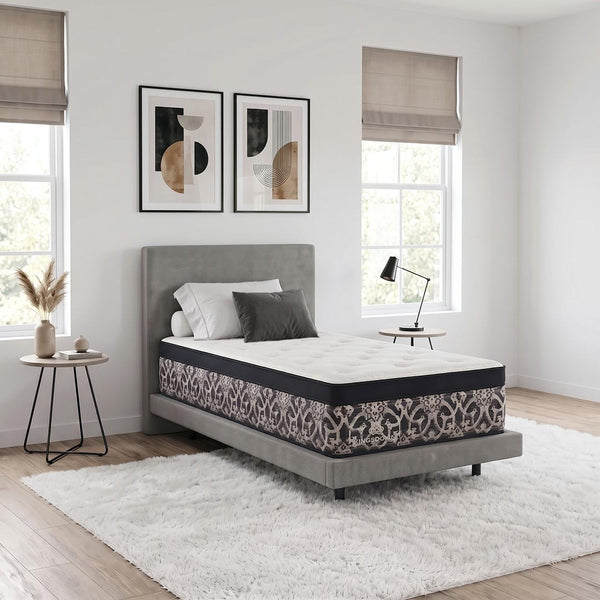
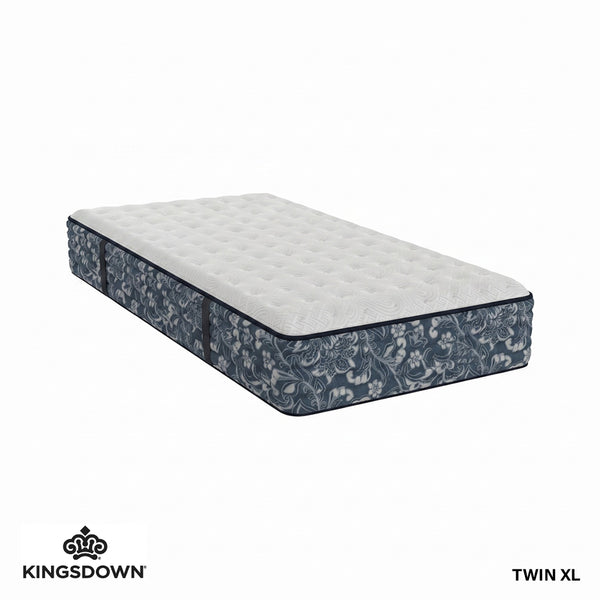
A twin size mattress measures 38 x 75 inches, the smallest standard size and the workhorse of kids' rooms, bunk beds, day beds, and guest room setups. One sleeper gets the full 38 inches of width, which is the same personal width each person gets on a king, so a twin is roomier for one than most people expect.
Twin is the cheapest size in nearly every mattress line we carry, and twin bedding and bed frames cost less than their larger counterparts too. That makes it the smart default for a child's first big-kid bed, a bunk room, or a guest room that doubles as an office.
It is just as important to know when a twin is the wrong call. A teen who is still growing will outgrow 75 inches of length, and a twin XL at 80 inches costs only a little more and solves that problem outright. If this bed is an adult's every-night mattress, a full size mattress gives 16 more inches of width for rolling around. Saving money on the wrong size is not saving money.
From the Furniture Fair Sleep Center
"The mistake with twin is predictable: parents buy the cheapest mattress in the store because it's 'just for the kid,' then replace it three years later. Kids' spines need real support, and a good twin costs far less than a good queen anyway. Spend the difference where it matters, skip it where it doesn't. The frame and the comforter can be swapped out in ten minutes. The mattress is the part they sleep on for a decade."
Robbie Daniels, Head Mattress Buyer, Furniture Fair
Twin Mattress Dimensions Compared to Other Sizes
Standard mattress size dimensions in inches
Size
Dimensions (W x L)
Per-Sleeper Width
Best For
Twin
38 x 75
38 inches
Kids, bunk beds, guest rooms
Twin XL
38 x 80
38 inches
Taller singles, adjustable bases
Full
54 x 75
27 inches
Single sleepers, smaller rooms
Queen
60 x 80
30 inches
Couples, master bedrooms
King
76 x 80
38 inches
Couples wanting maximum space
Cal King
72 x 84
36 inches
Tall sleepers, long rooms
Is a Twin the Right Size for Your Room?
A twin bed with frame fits comfortably in a room as small as 7 x 10 feet, which is why it is the default for kids' rooms and shared sibling spaces. Two twins fit side by side in most standard bedrooms, and bunks stack two sleepers into the same footprint as one. Before you buy, measure the path in: stairwells, hallway corners, and doorways need to pass the mattress plus the frame.
How Much Does a Twin Mattress Cost?
Twin is the least expensive size in every mattress line we carry, typically running a few hundred dollars for a base model up through the low thousands for a premium hybrid. The same quality ladder applies as bigger sizes: the budget band buys a perfectly good guest or bunk mattress, the middle band is where an every-night kid's mattress should land, and the top band buys cooling foams and stronger builds. A twin bed frame runs from around a hundred dollars for a simple metal base to several hundred for an upholstered day bed or bunk, and a twin comforter setup is usually the cheapest bedding set in the store. Budget the mattress, frame, and bedding together so the room is done in one pass.
Choosing a Twin Mattress: What Actually Matters
Size is the easy part with a twin. What separates a mattress that lasts through childhood from one that sags by second grade is what's inside:
Support for growing bodies: kids need real spinal support, not just a soft top.
Durability: kids jump on beds. Denser foams and sturdy coils take the abuse a guest-room mattress never sees.
Sleep temperature: if the room runs warm, cooling covers and breathable foams help kids stay asleep.
Waterproofing: a mattress protector is the best few dollars you'll spend on a kid's twin.
Rather than guessing, visit a Sleep Center at Furniture Fair, try our bedMATCH diagnostic system, and let your child actually lie on the finalists. Ten minutes of real testing beats a month of guesswork.
Twin Beds, Frames & Foundations
Twin frames are where a small room gets flexible. A twin day bed doubles as a couch for reading and gaming, a bunk bed stacks two sleepers into one footprint, and a trundle pulls out a second bed for sleepovers without claiming floor space. Platform frames support the mattress on their own, while a standard metal frame needs a foundation or box spring underneath.
One thing worth checking before you buy: if there is any chance this twin becomes part of a split king adjustable base setup later, two twin XL mattresses, not twins, are what fit that hardware. Two regular twins come up 5 inches short on a king frame.
Two bunk specifics matter here. Mattress height: CPSC guidance for bunk beds calls for at least 5 inches between the top of the mattress and the top of the guardrail, so a thick pillow top that is perfect on the floor can sit too tall on the top bunk. And check the bunk's weight rating, since the frame, slats, and the sleeper all share it, and cheaper bunks are rated for children rather than adults.
Twin Bedding & Comforters
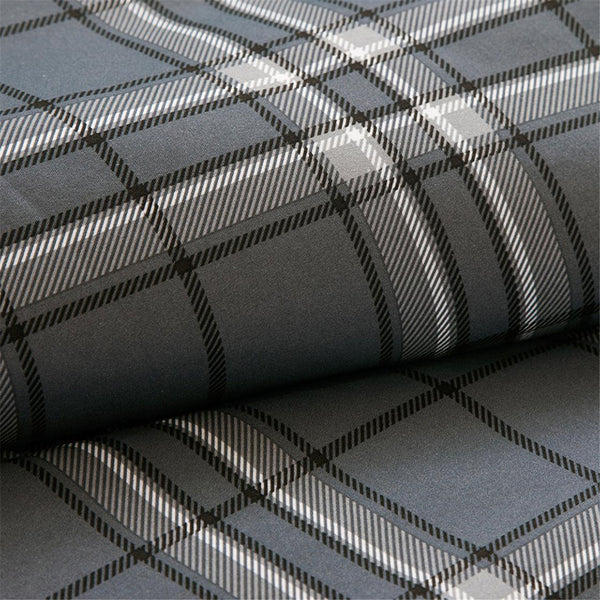
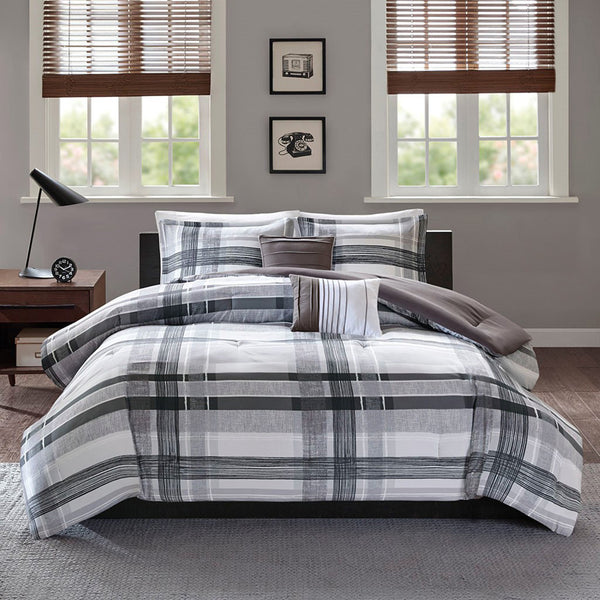
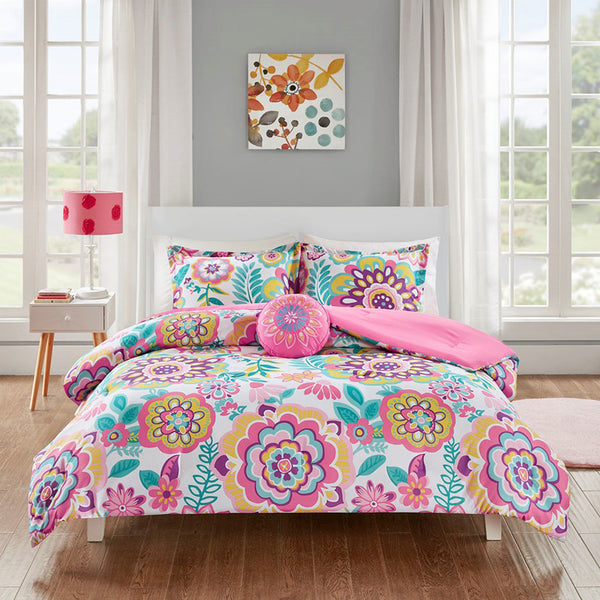
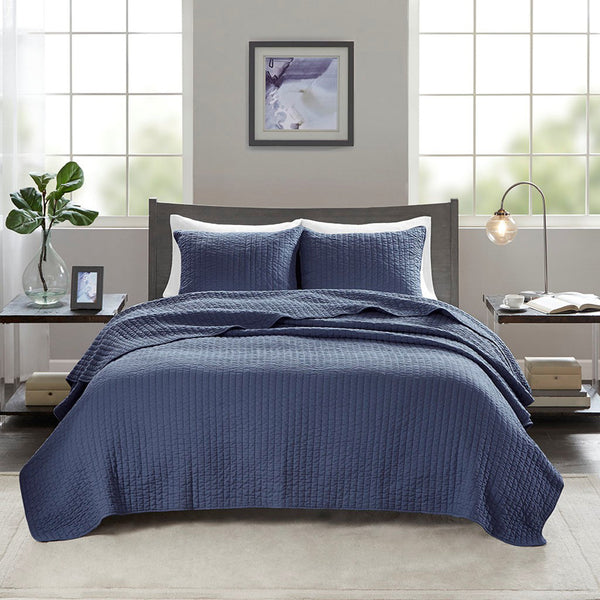
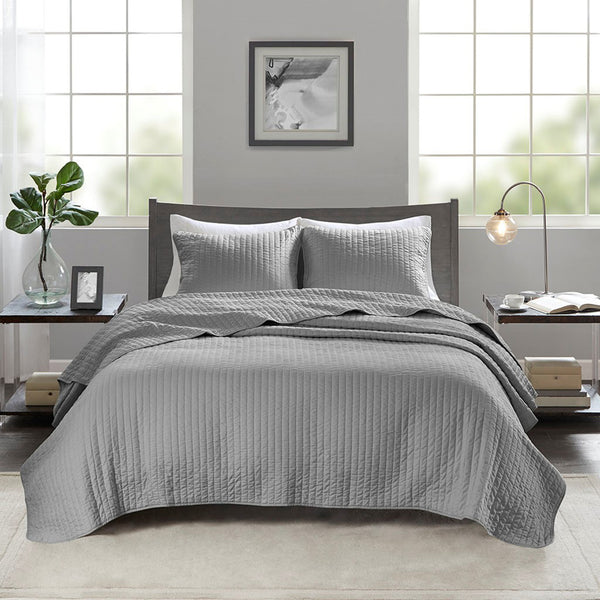
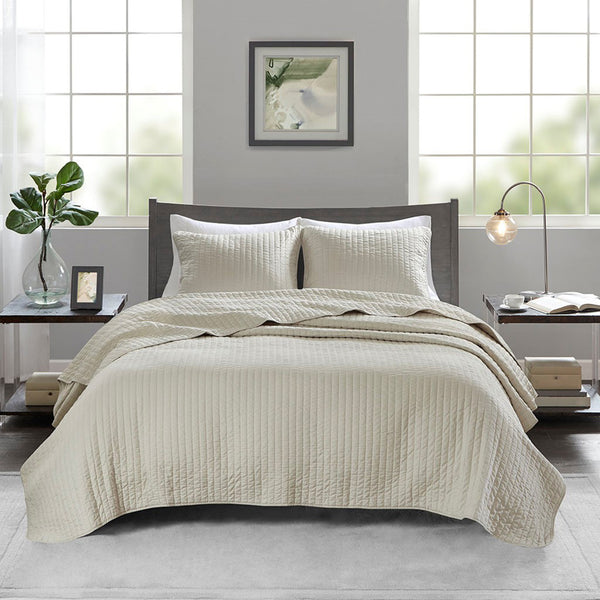
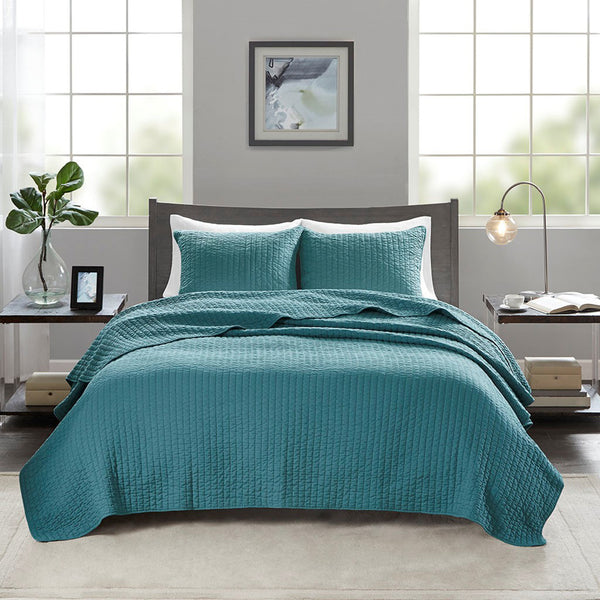
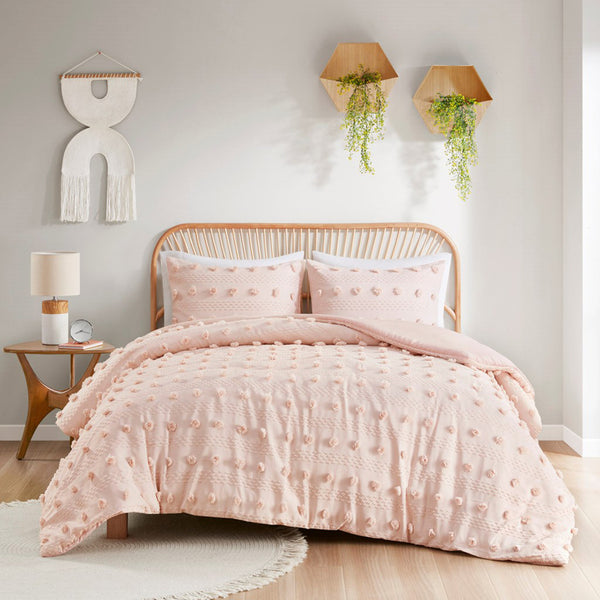
Twin comforters and sheets are sized for a 38 x 75 mattress and are the easiest, cheapest bedding to replace as a kid's taste changes. Bunk beds usually take a slimmer bunk-bed comforter so the sides do not block the ladder. For a day bed used as seating, fitted twin sheets plus a washable comforter keep the everyday setup practical.
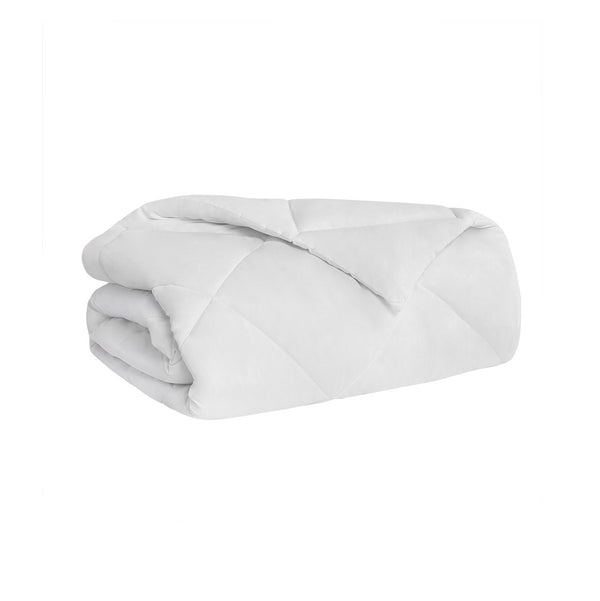
Fill is the one decision left: down is softest and most breathable for cold sleepers, synthetic fills are hypoallergenic and easier to wash, which most parents weigh heavier than luxury. Browse our bedding collection for twin comforters, sheet sets, pillows, and protectors.
Frequently Asked Questions About Twin Mattresses, Beds & Bedding
A twin size mattress measures 38 inches wide by 75 inches long. It is the smallest standard mattress size and fits one sleeper comfortably.
A twin is 38 inches wide, the same personal width each sleeper gets on a king bed, so plenty of adults sleep fine on one. The catch is length: at 75 inches, anyone over about 6 feet tall will want a twin XL at 80 inches long instead.
Both are 38 inches wide, but a twin XL is 5 inches longer, 80 inches instead of 75. That extra length makes twin XL the standard for dorms and the better pick for kids who are still growing.
A twin works from toddler age all the way through adulthood for shorter sleepers. It is the most common first big-kid bed, and it is usually ready the day a child moves out of the crib.
Two twin XL mattresses side by side equal one king size, 76 x 80 inches. Two regular twins come up short at 75 inches long, so they leave a gap on a king frame.
A twin comforter is typically made around 66 to 68 inches wide by 86 to 90 inches long to cover a 38 x 75 mattress with overhang. Bunk beds usually take a slimmer bunk-bed comforter so the sides do not block the ladder.
It depends on the frame. Platform beds and slatted frames support the mattress on their own, while a standard metal frame needs a foundation or box spring. Match the support your mattress warranty recommends.
Shop Twin Size Mattresses at Furniture Fair
Our twin mattresses are laid out Good, Better, Best so you can see exactly what changes as you move up. Our free interior design services can help you plan a kids' room or guest room around the bed, and our Sleep Center teams can match your child to the right mattress. Need help getting it home? We deliver with our own crews. Nobody carries a twin mattress up stairs for a living and enjoys it, so leave that part to us.
Related Categories
Depending on where you are in the decision, one of these is your next stop: