
Your Cart

Home Office
44 results
-
-
-
-
-



-
-
-
-

-

-

-

-

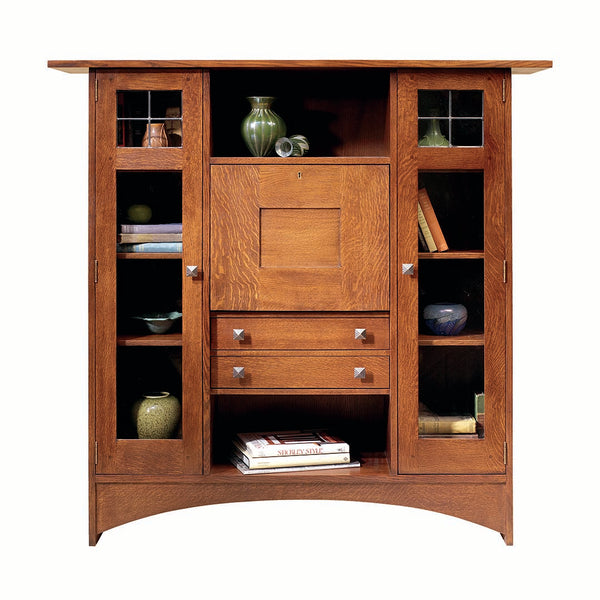
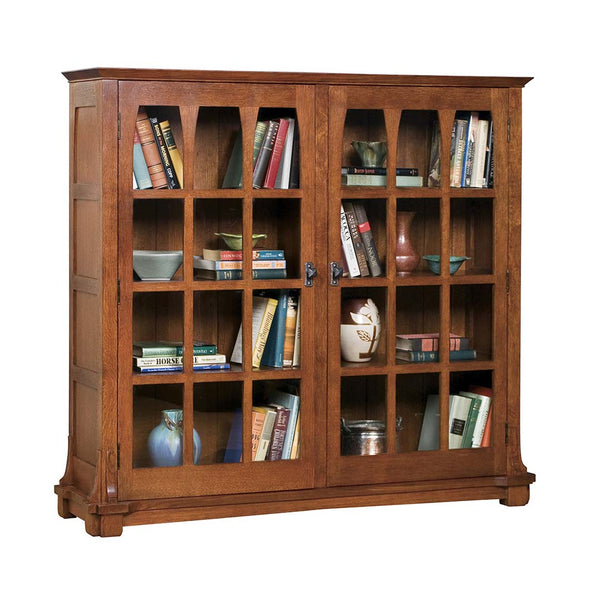
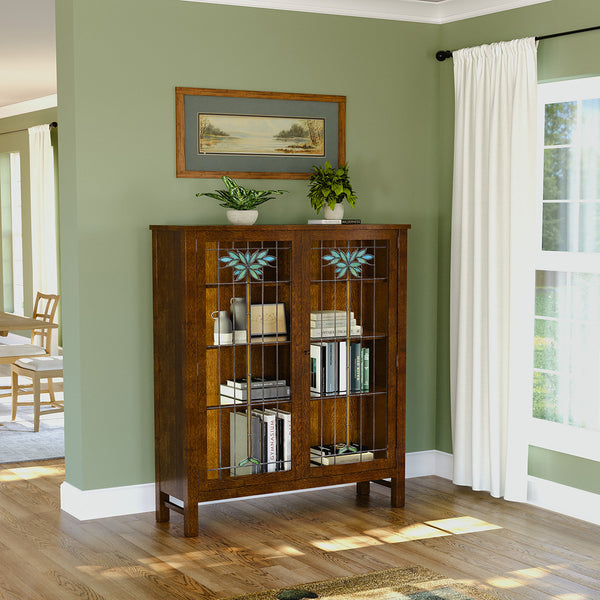 Collectors Edition 125th Anniversary LaSalle BookcaseUSASolid WoodCustomizable
 -

-

-

-

-

-

-

-

-

-

-

-

-

-
-

-

-

-
-

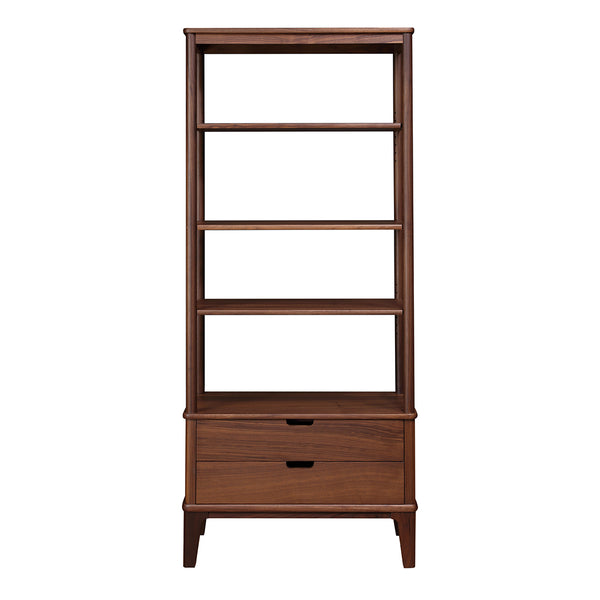
-
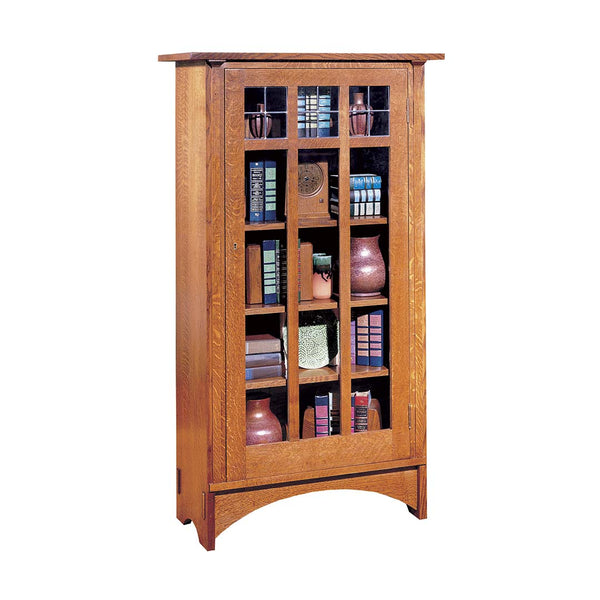
-

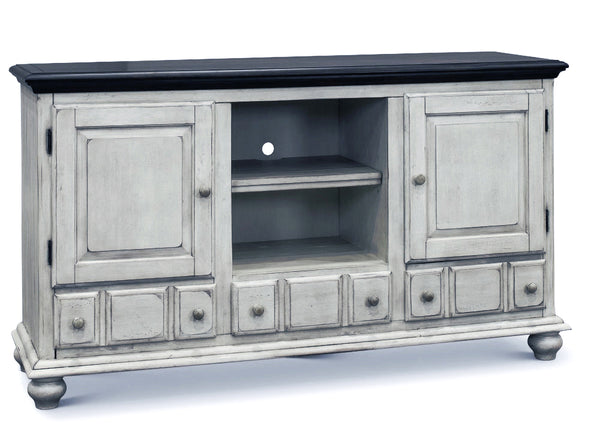
-

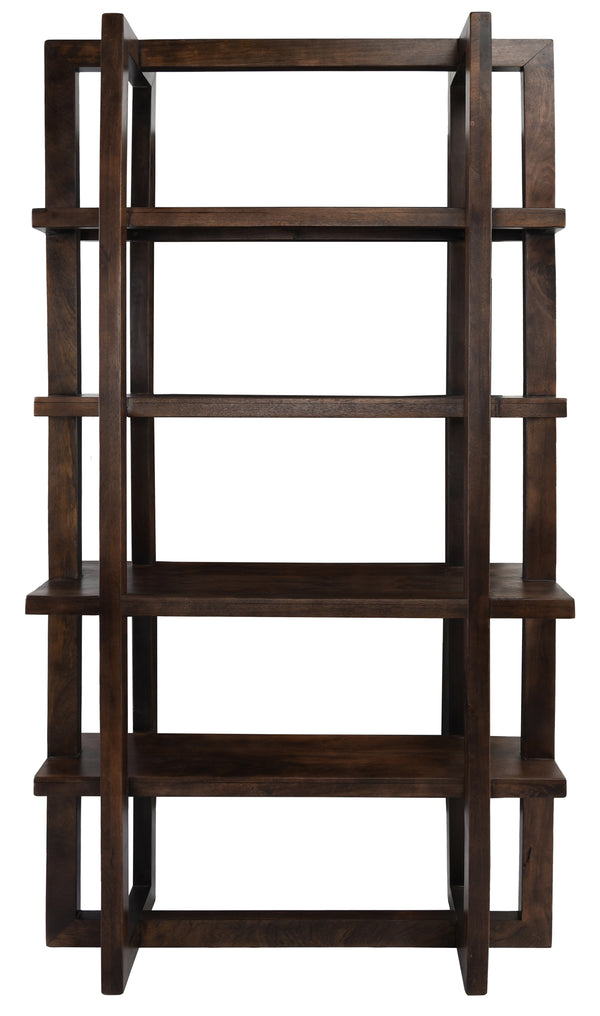
-

-
-

-

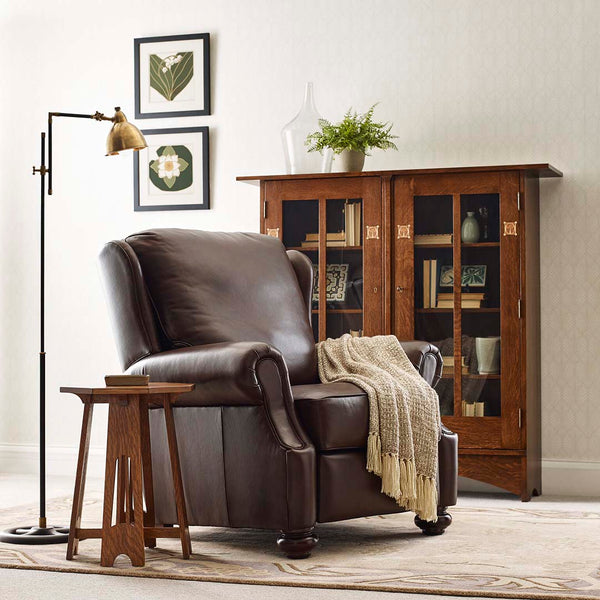
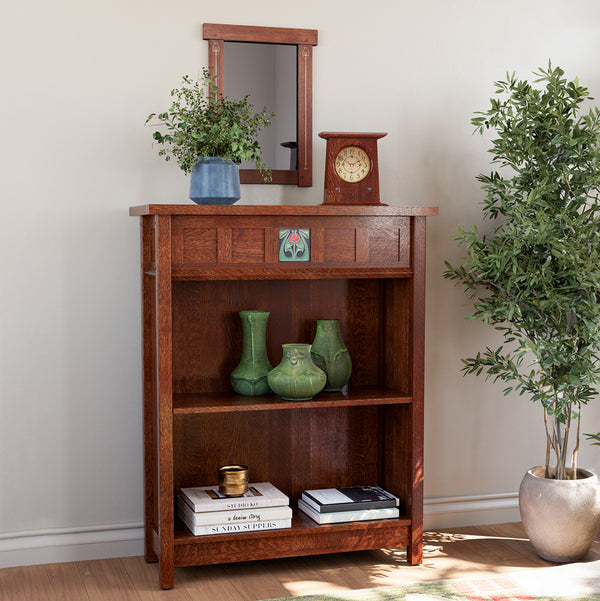 Collectors Edition 125th Anniversary Floral Tile BookcaseUSASolid WoodCustomizable
 -

-
-

-

-



A Better Workspace Starts with Better Furniture
A home office should be more than a desk shoved into a spare corner.
Whether you work from home full-time, run a small business, or just need a dedicated spot for paying bills and managing household tasks, the right furniture makes a measurable difference in how you feel and how much you get done.
At Furniture Fair, we carry desks, office chairs, bookcases, and file cabinets in styles from traditional wood to modern metal and glass. Whether you're furnishing a dedicated study, converting a guest bedroom, or carving out a workspace in your living room, we'll help you build a home office that works for the way you live.
From the Furniture Fair Showroom

"Home office furniture isn't just about fitting a desk into a spare room. It's about creating a workspace that keeps you comfortable, organized, and productive. The customers who are happiest with their home office are the ones who thought about their workflow first, not just their furniture."
David Girten, Store Manager, over 40 years experience
How to Design a Home Office That Works
Building a productive home office isn't complicated, but it does benefit from a little planning before you start shopping.
Here's a step-by-step approach we recommend to customers in our showrooms:
Start with your workflow
What do you actually do at your desk? A writer needs surface area for notebooks and references. A remote worker needs space for dual monitors and a webcam. Someone managing household tasks might only need a laptop and a file drawer.
Measure your space
Before falling in love with a desk, measure the room. Leave at least 36 inches of clearance for chair movement and walkways.
Choose your desk
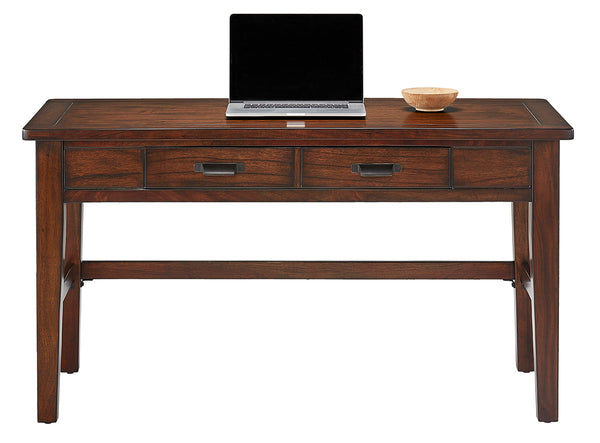
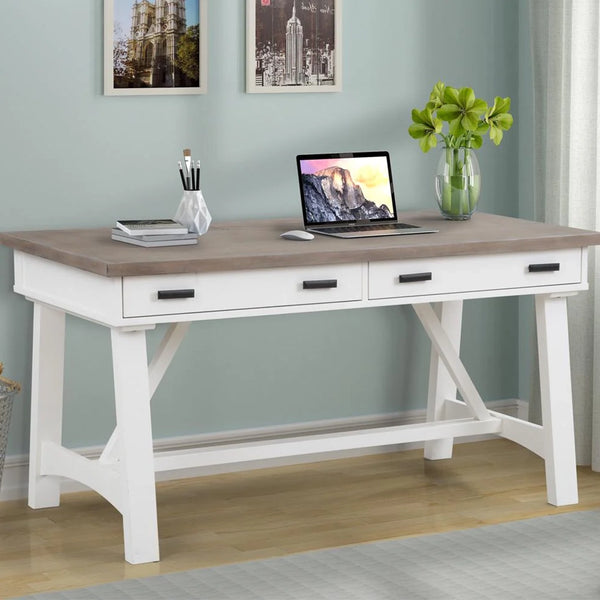
Your desk is the foundation. Pick one that fits your space, supports your technology, and gives you enough surface area to work comfortably.
Select the right chair
You'll spend more time in your chair than at any other piece of furniture in your home. Invest in comfort and support.
Add storage
Bookcases, file cabinets, and enclosed storage keep your workspace organized and prevent clutter from creeping into the rest of your home.
Personalize
A lamp, a rug, artwork, or a plant can make a functional workspace feel like a room you actually want to spend time in.
Finding the Right Desk for Your Space
Your desk is the centerpiece of your home office. The right one gives you enough room to work without overwhelming the space. Here's how the main desk types compare:
Writing Desks
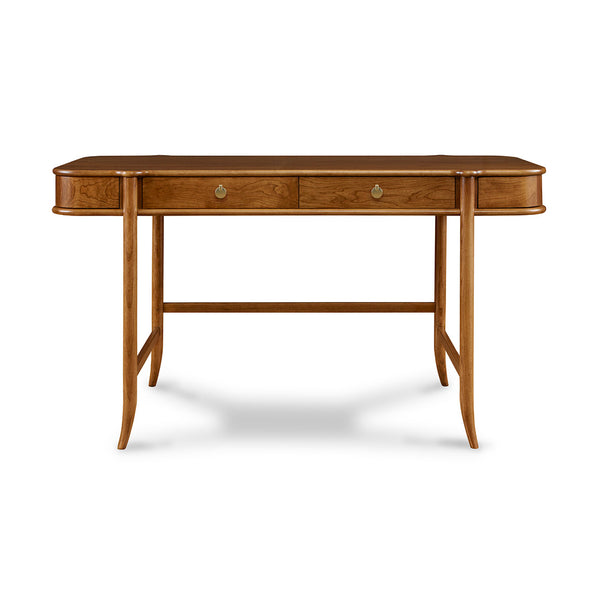
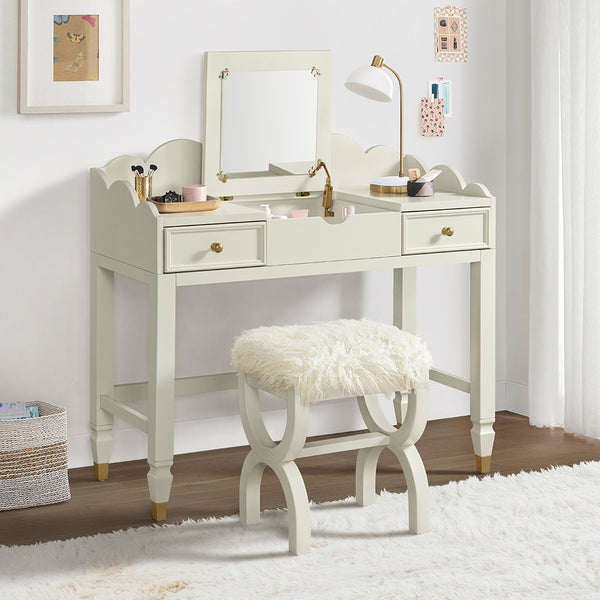
Writing desks offer a clean, minimal surface with little or no storage below. They're perfect for focused tasks like writing, studying, or managing paperwork in a small footprint. Many writing desks work beautifully in living rooms or bedrooms because they look more like furniture than office equipment.
Computer Desks
Computer desks are designed around technology. They typically include features like keyboard trays, cable management cutouts, and dedicated monitor shelves. If you spend most of your workday on a computer, a desk built for your equipment helps keep cords organized and your workspace tidy. For more on construction quality differences, read our guide comparing solid wood vs. wood veneer furniture.
Executive Desks
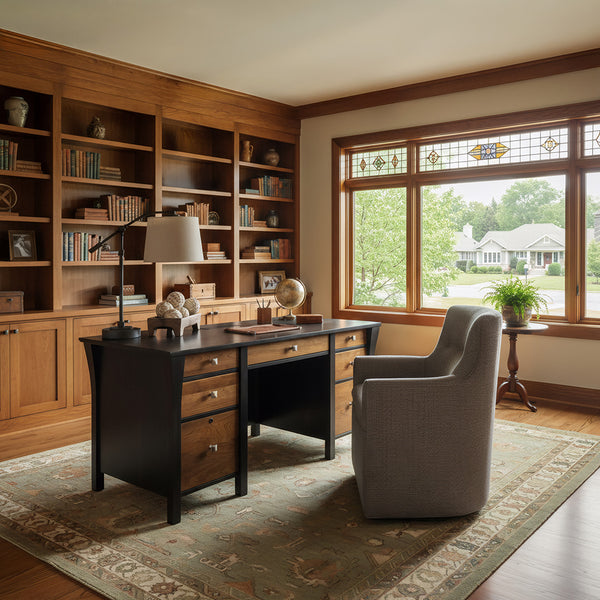
Executive desks make a statement. They offer large work surfaces, generous storage with file drawers, and a presence that feels professional and grounded. If you have a dedicated office room and want furniture that looks the part, an executive desk is worth considering.
L-Shaped Desks
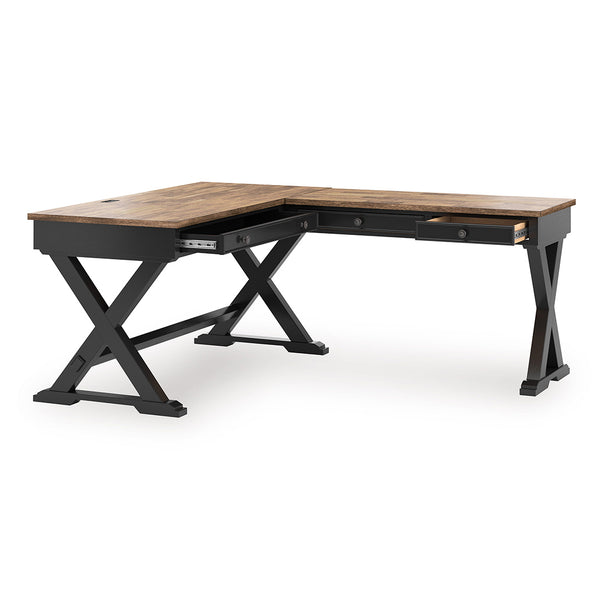
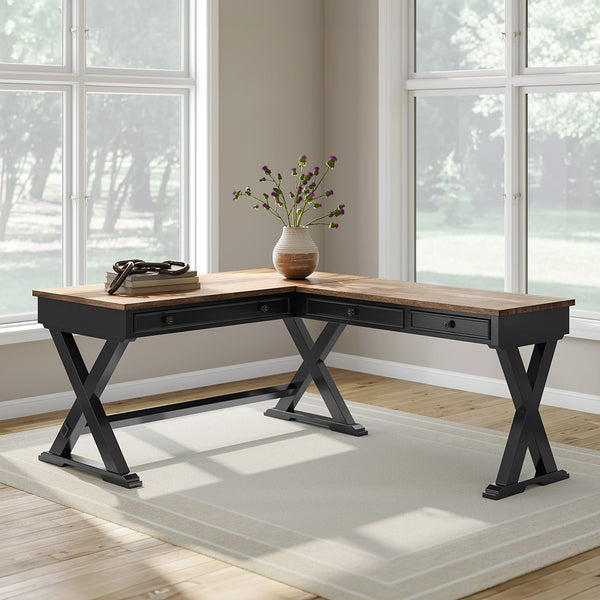
L-shaped desks maximize corner space and give you two working surfaces at once. One side can hold your computer while the other stays clear for writing, spreading out documents, or reviewing paperwork. They're ideal for multi-taskers who need more room than a standard desk provides.
Standing and Adjustable Desks
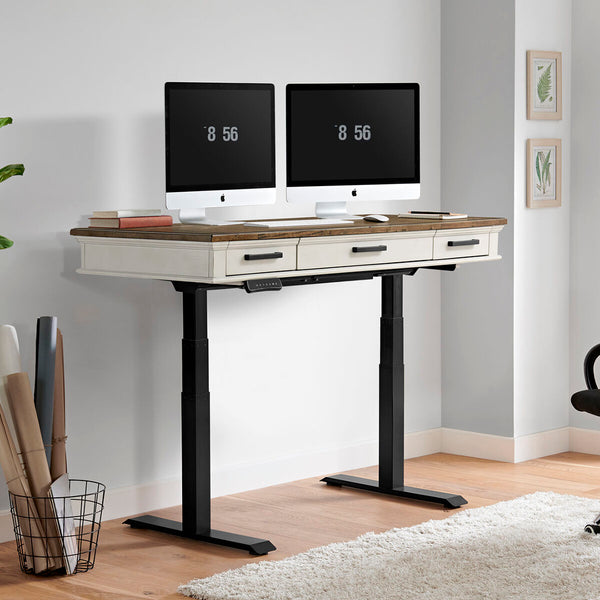
Standing desks, also called adjustable or sit-stand desks, let you change positions throughout the day. Some are manually adjustable while others are motorized with memory presets. If you're concerned about sitting for long periods, a desk that moves with you can make a real difference in how you feel by the end of the day.
| Desk Type | Workspace Surface | Storage | Ideal For | Room Size |
|---|---|---|---|---|
| Writing Desk | Clean, minimal surface | None or minimal | Focused tasks, small spaces | Small to medium |
| Computer Desk | Moderate, tech-ready | Cable management, keyboard tray | Daily computer work | Small to medium |
| Executive Desk | Large, generous surface | File drawers, hutches | Professionals, dedicated offices | Large |
| L-Shaped Desk | Very large, two surfaces | Optional hutch add-ons | Multi-taskers, dual monitors | Medium to large |
| Standing Desk | Variable height | Varies by model | Health-conscious workers | Any size |
01
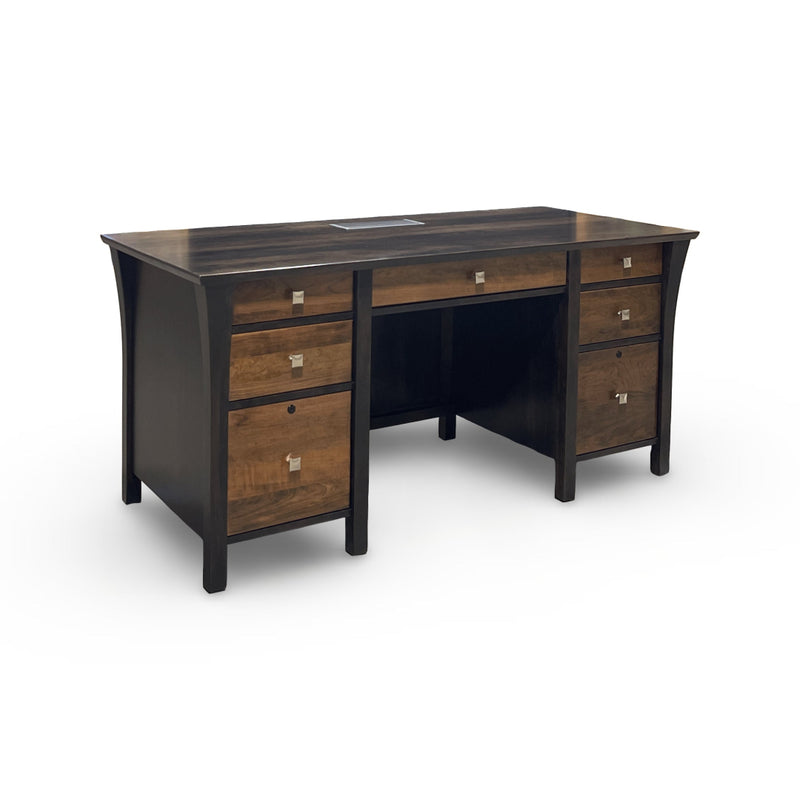
Start with the Right Desk
Your desk sets the tone for your entire workspace. Whether you need a compact writing desk or a full executive setup with storage and power, the right desk helps you stay organized and productive.
02
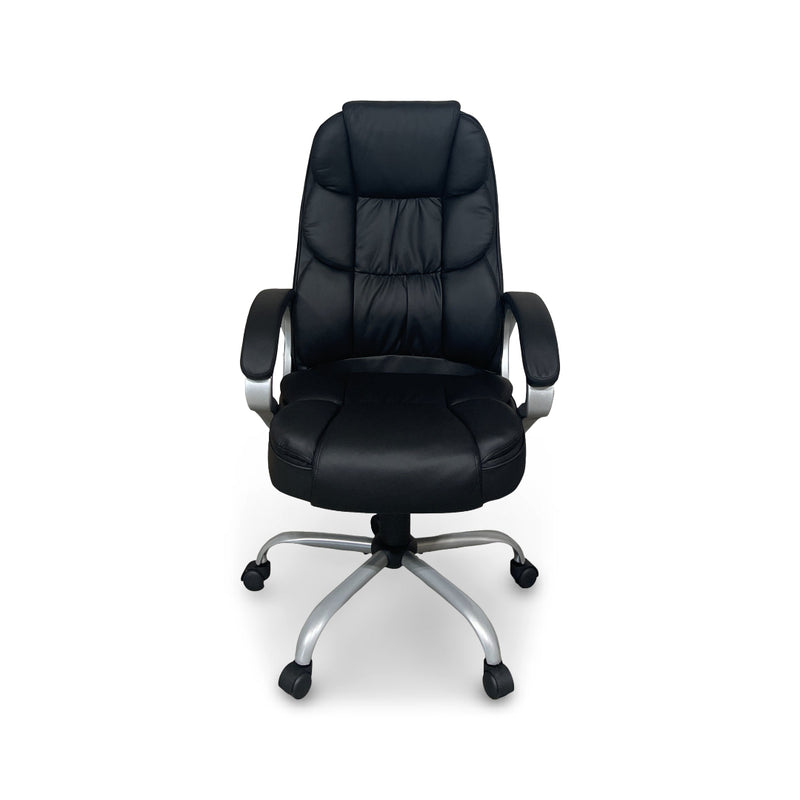
Find a Chair That Fits
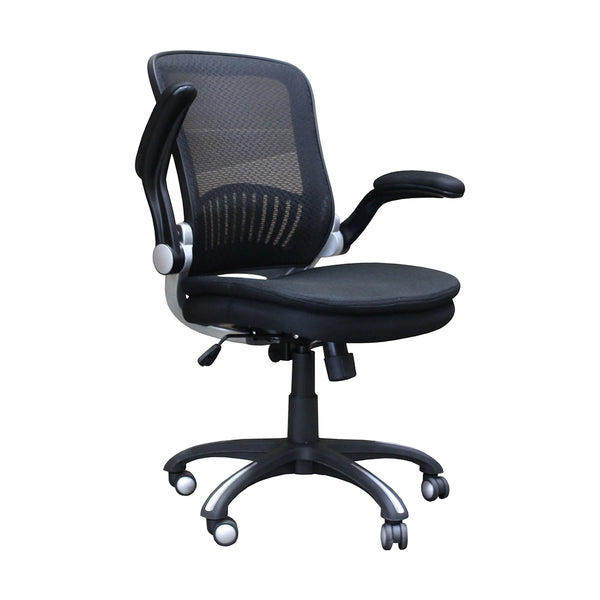
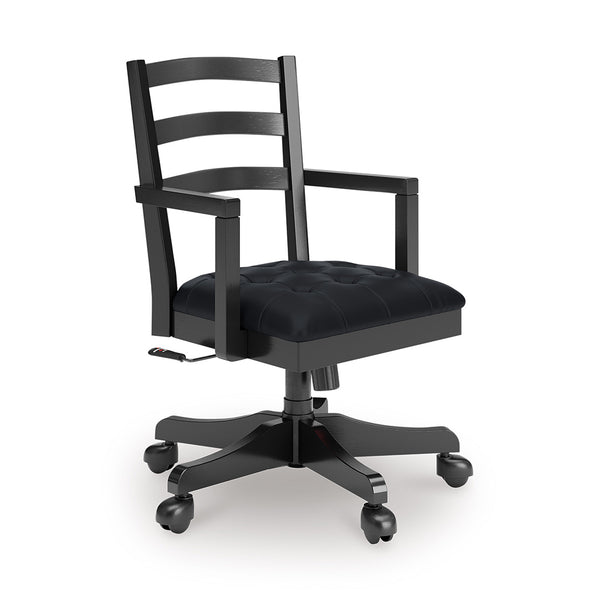
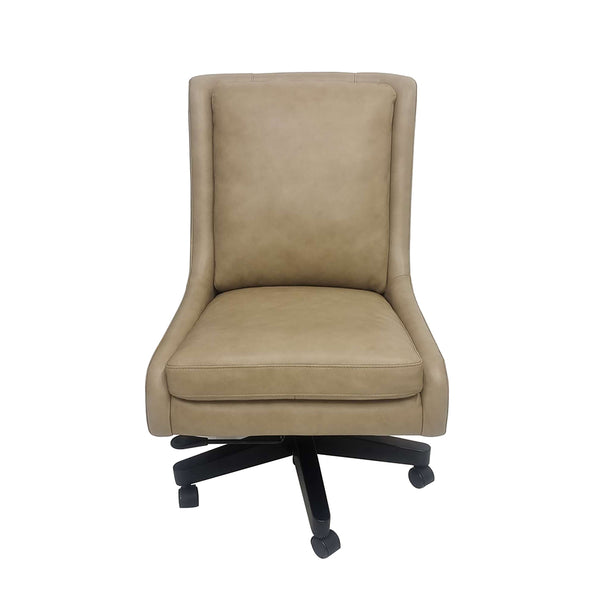
You'll spend more time in your chair than at any other piece of furniture in your home office. Look for adjustable height, lumbar support, and quality cushioning that holds up over long days.
03
Add Storage That Works
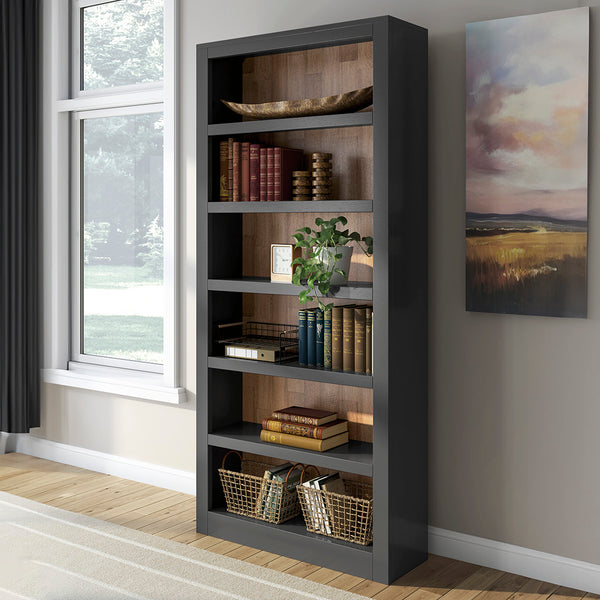
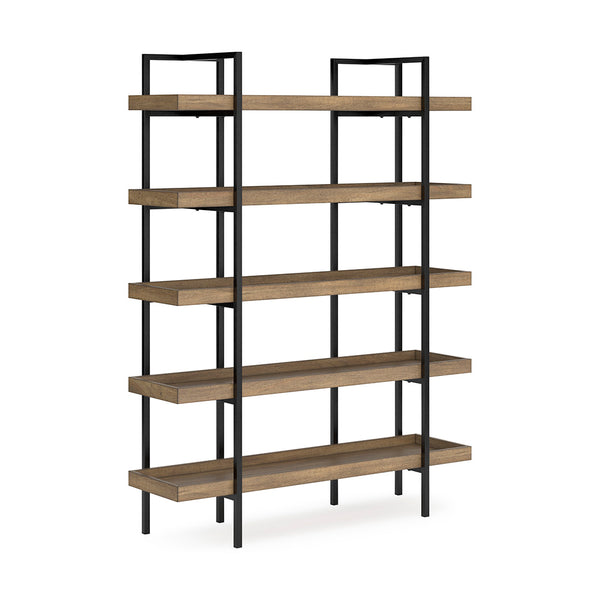
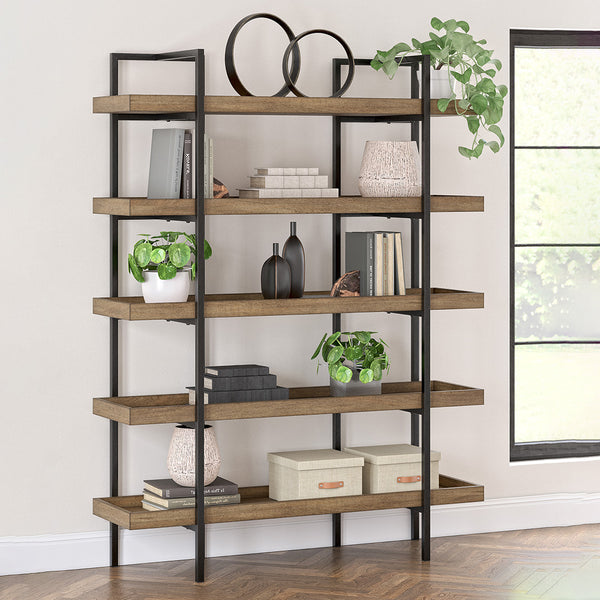
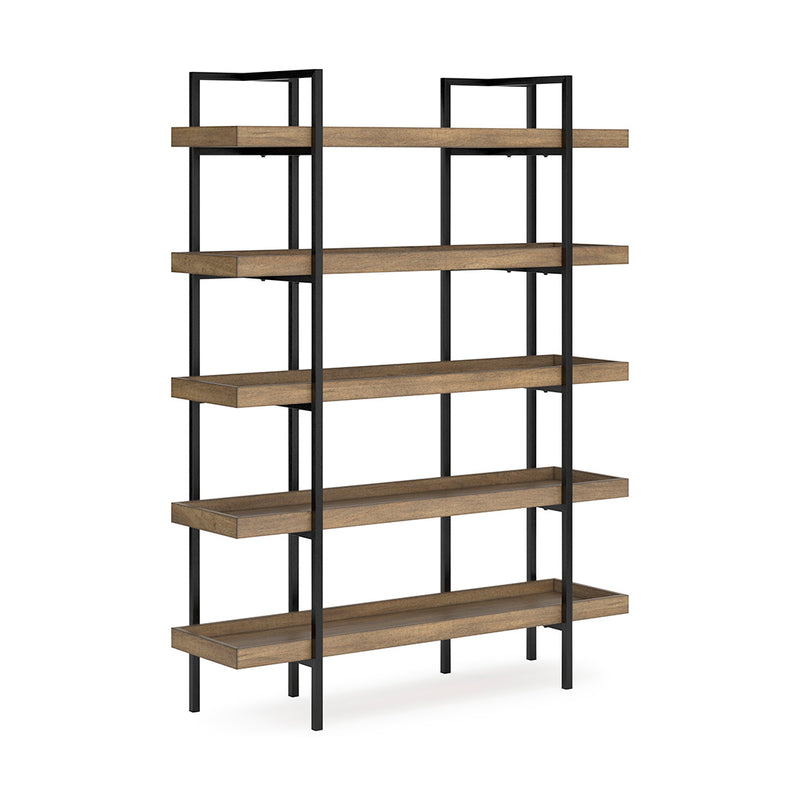
Bookcases and file cabinets keep your workspace tidy and supplies within reach. A ladder-style bookcase adds vertical storage without taking up much floor space, making it ideal for smaller home offices.
Choosing the Right Office Chair
If your desk is the foundation of your home office, your chair is where you'll actually spend your time.
A good office chair supports your back, encourages good posture, and adjusts to fit your body. For a deeper dive, check out our Good, Better, Best office chair quality guide. Here's what to look for:
- Lumbar support: Look for a chair with adjustable lower back support or a contoured backrest that follows the natural curve of your spine.
- Seat height: Your feet should rest flat on the floor with your knees at roughly 90 degrees. Adjustable seat height makes this possible for any body type.
- Armrests: Adjustable armrests take pressure off your shoulders and neck. Some chairs offer 4-way adjustable arms that move up, down, in, and out.
- Breathable material: Mesh backs allow air circulation, which matters if you sit for long stretches. Fabric and leather offer a warmer, more traditional look.
- Casters and swivel: A chair that rolls and swivels lets you reach for items without twisting your back.
Ergonomic Tips for a Healthier Workday
Good ergonomics isn't about creating a perfect workstation, it's about making small adjustments that add up over the course of a day, a week, and a year.
Here are a few ergonomic principles worth keeping in mind:
- Position your monitor at eye level to reduce neck strain.
- Keep your keyboard and mouse close enough that your elbows stay near your sides.
- Take short breaks every 30 to 60 minutes to stand, stretch, or walk around.
- Use a footrest if your chair height leaves your feet dangling.
- Consider a sit-stand desk if you want to alternate between sitting and standing throughout the day.
Storage Solutions for Your Home Office
The goal isn't buying the most storage, it's buying the right storage.
Here's how the main types compare:
Bookcases
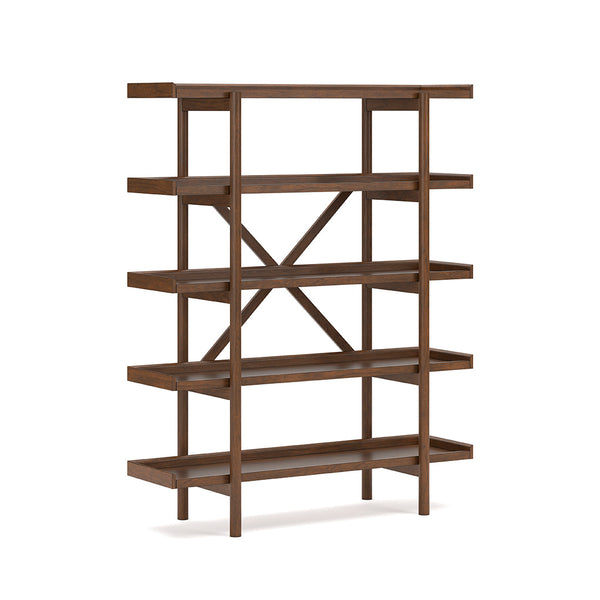
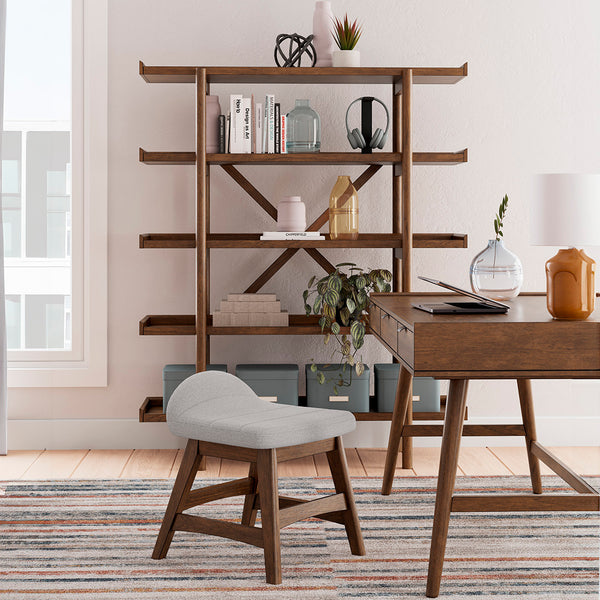
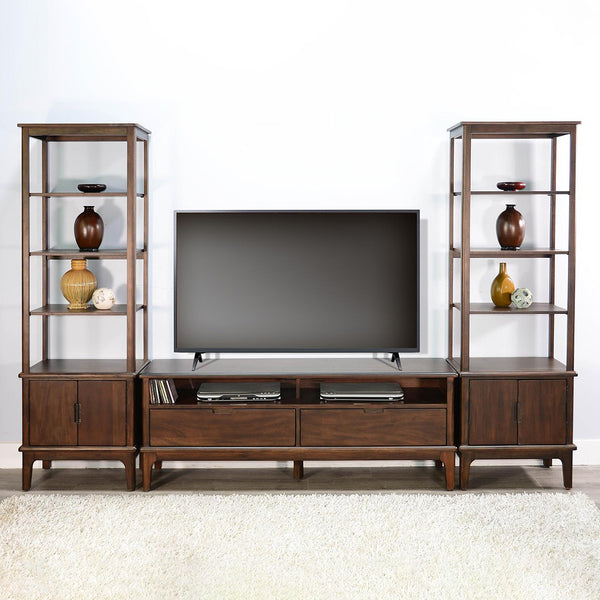
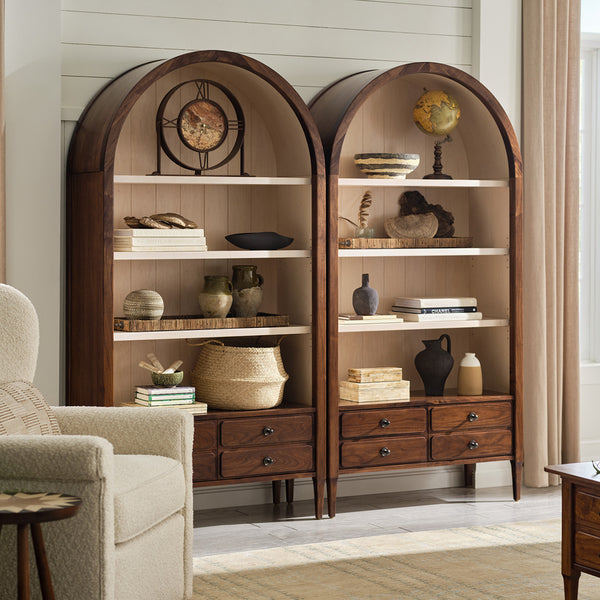
Bookcases do more than hold books. They display awards, store reference materials, organize bins, and add vertical interest to your office. Open bookcases keep everything visible and accessible, while options with doors or drawers hide items you'd rather not have on display.
File Cabinets
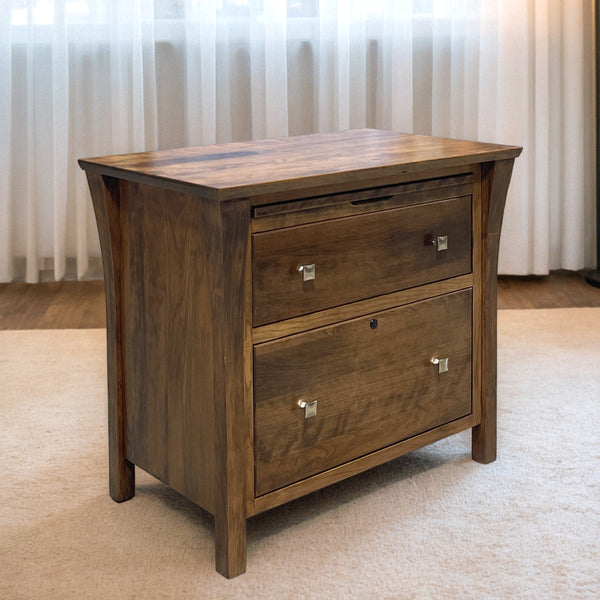
File cabinets keep important documents organized and protected. Lateral file cabinets offer wide drawers that accommodate both letter and legal size files, while vertical file cabinets have a smaller footprint. Many file cabinets now double as printer stands or extra surface space.
Cabinets and Enclosed Storage
Enclosed storage pieces, like hutches and storage cabinets, hide clutter behind doors. They're ideal for supplies, equipment, and anything you use regularly but don't want sitting out. A hutch that sits on top of your desk combines storage and display space in one efficient piece.
Layout Ideas for Small and Multipurpose Spaces
Not every home office gets its own room. Many of the best workspaces are carved out of living rooms, bedrooms, or hallway nooks.
If you're working with limited space, here are a few layout strategies:
- Choose a writing desk that doubles as a console table when not in use.
- Use a corner desk or L-shaped desk to take advantage of unused corner space.
- Mount shelves above your desk for storage without sacrificing floor space.
- Look for desks with built-in drawers so you don't need a separate file cabinet.
- Use a folding chair that can be tucked away or repurposed when you're not working.
- Add a room divider or bookcase to visually separate your workspace from the rest of the room.
How to Measure Your Space
A few extra minutes with a tape measure can save you from choosing furniture that doesn't fit your room, or the way you plan to use it. It also makes delivery day smoother, as we explain in our guide to preparing your home for furniture delivery.
Before you shop, measure:
- The wall space where your desk will go, including any baseboards or molding.
- Doorways and hallways the furniture will need to pass through on delivery day.
- The distance from your desk to the nearest wall or obstacle, leaving at least 36 inches for your chair.
- Window placement, so your monitor doesn't end up with glare from direct sunlight.
- The height of any shelves or wall-mounted storage you plan to add above your desk.
Common Home Office Buying Mistakes to Avoid
Even careful shoppers make mistakes when furnishing a home office. Here are the ones we see most often:
- Buying a desk that's too big (or too small) for the space.
- Choosing form over function, picking a beautiful desk that doesn't support your technology or workflow.
- Skimping on the chair, then regretting it after a week of back pain.
- Forgetting about storage until clutter takes over.
- Ignoring cable management until cords are everywhere.
- Not measuring doorways and hallways before delivery day.
- Overlooking lighting, leaving a workspace that's too dim for focused work.
Shop Smarter with Furniture Fair's Good, Better, Best Buying System
One of the biggest misconceptions about furniture is that if two desks look similar, they must be built the same.
That's rarely the case.
At Furniture Fair, we use our Good, Better, Best buying system to help customers understand what they're actually paying for. As you move through each quality level, you'll see meaningful differences in construction, materials, storage, adjustability, and craftsmanship. You can also read our guide to which furniture brands rank as Good, Better, and Best.
| Feature | Good | Better | Best |
|---|---|---|---|
| Construction Quality | Basic frame, standard assembly | Reinforced frame, sturdy construction | Solid wood or premium engineered frame |
| Materials | Manufactured wood, laminate | Mixed materials, wood veneers | Solid hardwood, premium finishes |
| Storage | Basic drawers or open shelves | Multiple drawers, file storage | Integrated storage, hutches, organizers |
| Adjustability | Fixed height, standard features | Keyboard trays, adjustable shelves | Sit-stand capability, full ergonomic support |
| Finish Quality | Basic finish, limited color options | Durable multi-coat finish, more options | Premium hand-applied finish, custom options |
| Craftsmanship | Standard construction methods | Reinforced joinery, better hardware | Handcrafted joinery, premium hardware |
| Ideal Customer | Budget-conscious, occasional use | Daily user, work-from-home | Long-term investment, dedicated office |
| Long-Term Value | Good value for the price | Excellent value for daily use | Heirloom quality, built to last decades |
Some shoppers simply need a dependable desk for occasional use at a great value.
Others are investing in a workspace they'll use every day for years.
Neither choice is wrong.
Our job is to help you understand the differences so you can invest with confidence.
Frequently Asked Questions About Home Office Furniture
Measure your available wall space and leave at least 36 inches for chair movement. A standard desk is about 48 inches wide, but smaller writing desks can work in spaces as narrow as 30 inches.
Built-in storage is convenient but takes up legroom. If your space is small, a desk with drawers can eliminate the need for a separate file cabinet. In larger rooms, you might prefer a clean desk surface and separate storage pieces.
Look for a chair with adjustable lumbar support, seat height, and armrests. If you sit for more than six hours a day, prioritize breathable material and a seat pan that distributes your weight evenly.
If you are concerned about sitting for long periods, a standing desk can help you alternate positions throughout the day. Motorized adjustable desks cost more but offer smooth transitions and memory presets.
Use vertical storage like wall-mounted shelves, choose a desk with built-in drawers, and keep only what you use daily within arm's reach. A clutter-free surface helps you stay focused even in a small area.
Writing desks offer a simple, flat surface with minimal storage, while computer desks include features like keyboard trays, cable management, and monitor shelves designed for technology.
Not necessarily. Many homeowners prefer a cohesive look, but mixing styles can create a more interesting and personal space. The most important factor is choosing furniture that supports your workflow.
Even in digital-first households, a file cabinet is useful for tax records, warranties, contracts, and other documents that are easier to manage in print. A small two-drawer cabinet may be all you need.
Focus on lumbar support, adjustable seat height, armrest flexibility, and breathable material. The best chair is one that fits your body and supports you through long work sessions without requiring constant adjustment.
Yes. Our complimentary interior design service can help you plan a home office layout that fits your space, workflow, and budget. Visit any of our showrooms across Ohio, Kentucky, and Indiana to get started.
Why Shop Furniture Fair for Home Office Furniture?
Buying home office furniture shouldn't feel overwhelming.
Whether you're setting up your first workspace or upgrading a room you've used for years, our team will help you compare styles, construction, and quality levels so you can choose furniture that fits your home and your budget.
When you shop Furniture Fair, you'll find:
- Writing desks, computer desks, executive desks, L-shaped desks, and standing desks
- Ergonomic office chairs with adjustable lumbar support, armrests, and seat height
- Bookcases, file cabinets, and enclosed storage in a range of sizes and finishes
- Traditional, contemporary, and modern styles to match any decor
- Made in America options from trusted manufacturers
- Competitive pricing and financing options
- Complimentary design services to help you plan your layout
- Guidance from experienced furniture professionals using our Good, Better, Best buying system
- Convenient showroom locations throughout Ohio, Kentucky, and Indiana
Related Categories
Explore more furniture at Furniture Fair:
Build a Home Office That Works as Beautifully as It Looks
A great home office does more than hold a computer. It supports your daily routine, not just your square footage, and becomes a space where productivity and comfort coexist naturally.
Whether you're looking for a compact writing desk, a full executive setup, or just the right chair to get through the workday, Furniture Fair has home office furniture that's built for the way you work. Visit one of our showrooms or browse our collection online to compare styles, quality, and features, and find the furniture that's right for your space. Need help getting it home? Furniture Fair offers convenient delivery through our own in-house delivery team, making it easy to enjoy your new furniture with confidence.