
Your Cart

Mattress Guide
What Are The Pros & Cons Of Memory Foam Mattresses?
Memory foam pressure relief, heat retention, durability, and who should skip it
David Tucker, Bedding Specialist at Furniture Fair, covers the pros and cons of memory foam
Memory foam has been around long enough that most shoppers have heard the pitch: contours to your body, relieves pressure, absorbs movement. Most of that is true. But plenty of what you'll read online is either vague marketing or a list of benefits with no context, and none of it helps you figure out whether a memory foam mattress is right for the way you actually sleep.
Short answer: memory foam is worth it if you're a side sleeper, you share a bed with a restless partner, or pressure-point pain wakes you up. Skip it if you sleep hot, sleep on your stomach, or you know you hate the slow, sinking "hug" feel. The one spec that separates a mattress that lasts a decade from one that sags in four years is foam density, so ask about it before anything else.
We sell mattresses for a living. Our Sleep Center teams help people in Ohio, Kentucky, and Indiana compare memory foam against hybrids and innersprings every day, and we'll be straight with you: memory foam is excellent for some sleepers and the wrong choice for others. Here are the pros, the cons, and how to know which camp you fall into.
What Is Memory Foam?
Memory foam is a type of polyurethane foam engineered to respond to heat and pressure. It was developed in the 1960s for NASA aircraft seats, where the goal was cushioning that absorbed impact without staying compressed, and that same slow-response, body-hugging quality is why it eventually landed in mattresses.
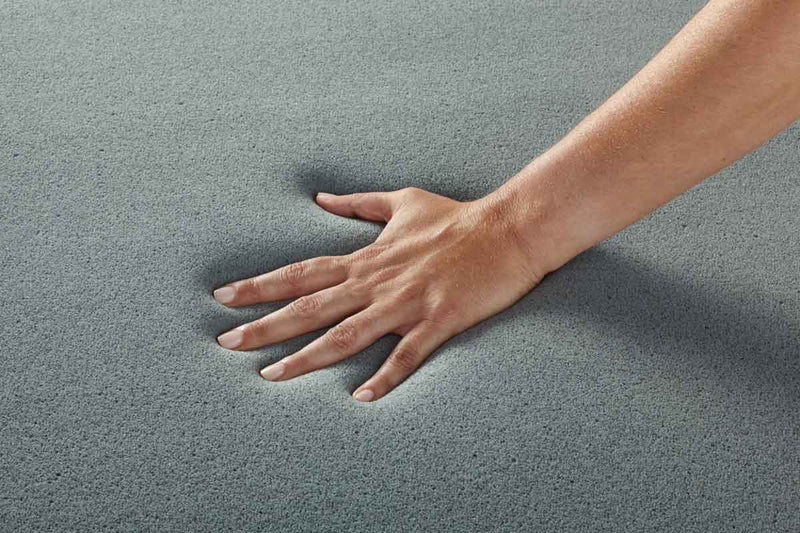
Here is the plain-English version: when you lie down, your body heat softens the foam and it molds to your shape. When you get up, it slowly returns to flat. The foam literally remembers its original form, which is where the name comes from.
Density is the spec that matters most. Foam density is measured in pounds per cubic foot (PCF). Denser foam, roughly 4 PCF and up in the comfort layers, holds its shape longer and supports heavier bodies better. Lower-density foam feels similar in a showroom but tends to develop body impressions faster. That's the single biggest difference between a budget memory foam mattress and a premium one, more than any marketing label or name.
Memory Foam Mattresses at a Glance
- Construction: All-foam build, viscoelastic comfort foam over dense support foam
- Feel: Deep, slow contouring with a cradled, "hugged" sensation
- Best fit for: Side sleepers, couples, and pressure-point relief
- Potential drawbacks: Heat retention on budget foams, the sinking feel, off-gassing on arrival
- Typical lifespan: 7 to 10 years, budget foams can soften in 4 to 5
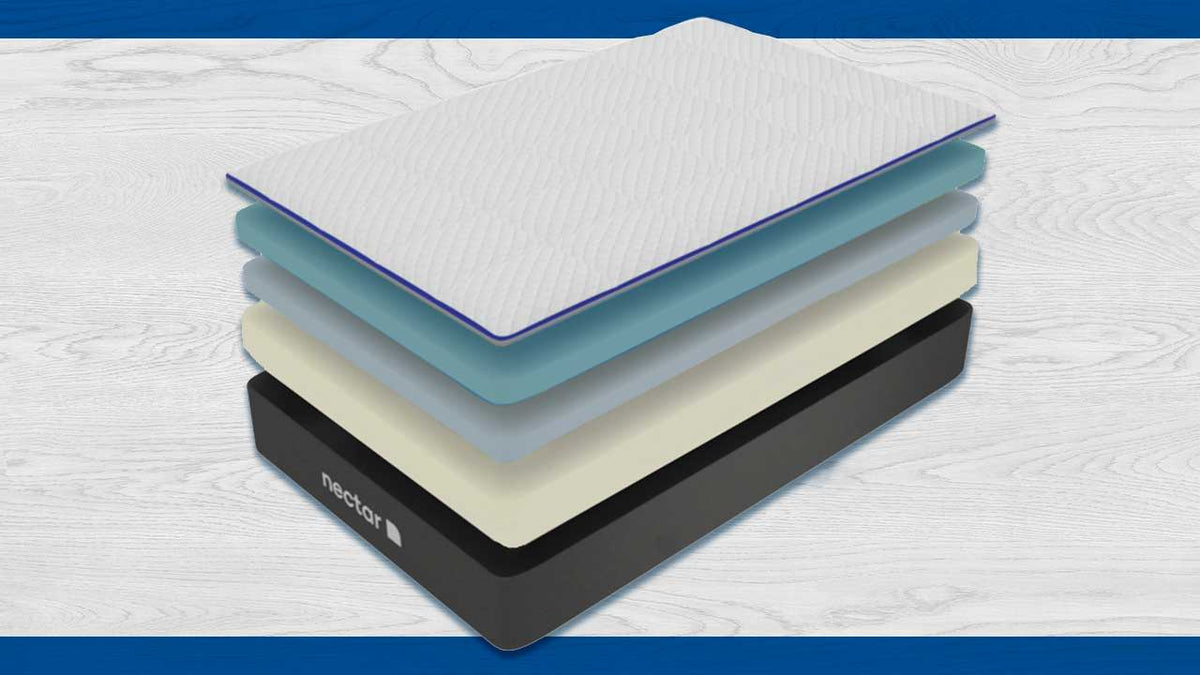
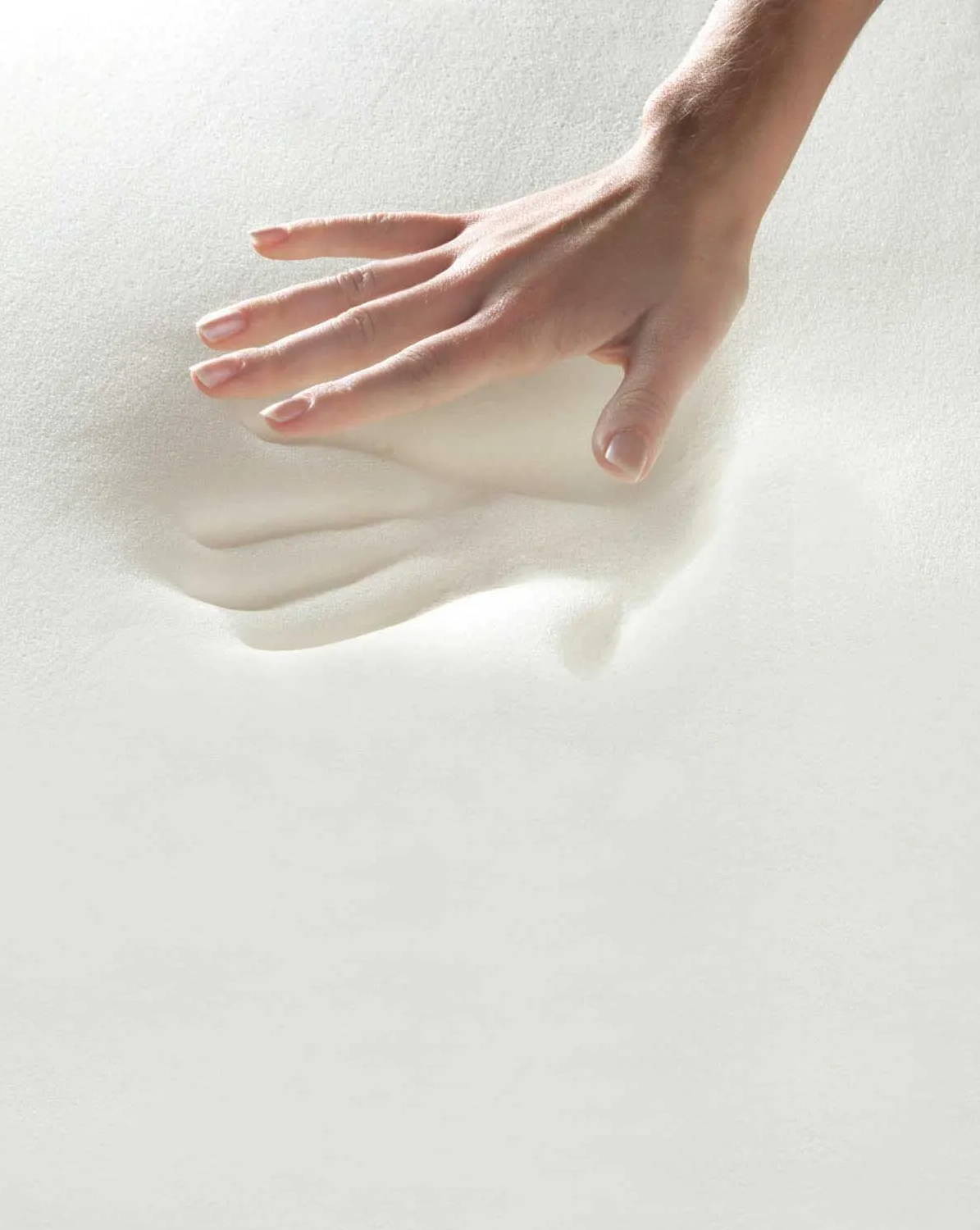
Memory foam also differs from the other two mattress types you will see. A traditional innerspring mattress uses coils for support, which gives a bouncier, more responsive surface. Standard polyurethane foam, the cheaper foam in budget mattresses, compresses under weight but does not contour the way memory foam does. Memory foam sits in between: less bounce than coils, far more contouring than plain poly foam.
“Here's what actually matters with memory foam, and here's what's mostly noise. Density matters. How the foam handles heat matters. Whether the firmness matches how you sleep matters. The model name on the label? Mostly noise. I've seen mid-priced mattresses outperform the expensive ones because the manufacturer put the money into the foam instead of the marketing. Flip the spec sheet over before you flip your wallet out.”

Robbie Daniels
Head Mattress Buyer, Furniture Fair
Daniels works directly with mattress manufacturers and Furniture Fair's sleep specialists to evaluate emerging sleep technologies and product quality. He has helped train sleep consultants across all 12 Furniture Fair locations in Ohio, Kentucky, and Indiana.
The Pros of Memory Foam
These are the benefits that actually hold up, and the reasons our salespeople still recommend memory foam to specific customers every week.

Pressure Relief and Spinal Alignment
- Memory foam spreads your weight across the whole contact area instead of concentrating it at hips and shoulders
- Less concentrated pressure means less numbness in the arm you sleep on, fewer aches in the hip that always hurts
- Well-made mid-premium models, like the Serta iComfortPro line and Tempur-Pedic's contouring mattresses, are built specifically around that deep, even contouring
Motion Isolation
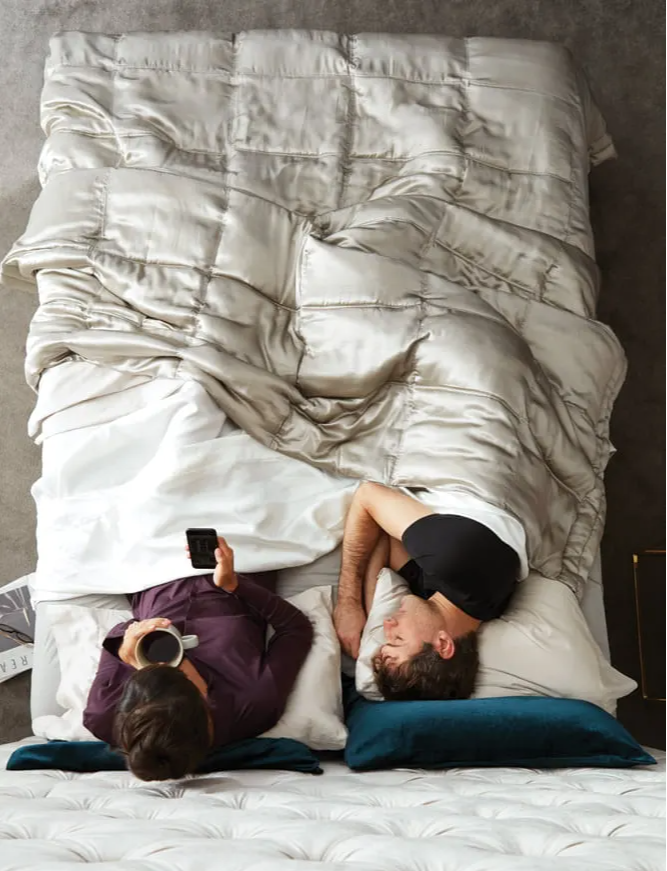
- Memory foam absorbs movement instead of transferring it. If your partner rolls over or climbs out of bed at 5 a.m., you feel almost nothing
- For light sleepers and couples with different schedules, this is often the pro that seals the deal
- It's the one innerspring mattresses struggle to match, even with pocketed coils
Hypoallergenic Material
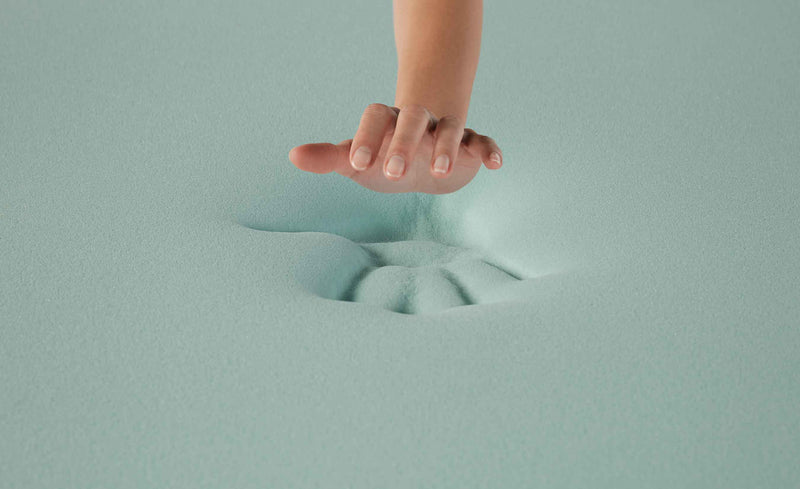
- Older mattress interiors left open space where dust, dander, and allergens could collect. Memory foam is a solid, dense material with no hollow interior for dust mites and allergens to settle in
- Dust mites still live on the surface and in your bedding where skin cells collect, so a washable protector still matters
- The solid core gives allergens far fewer places to harbor, which many allergy sufferers notice

Works With Adjustable Bases
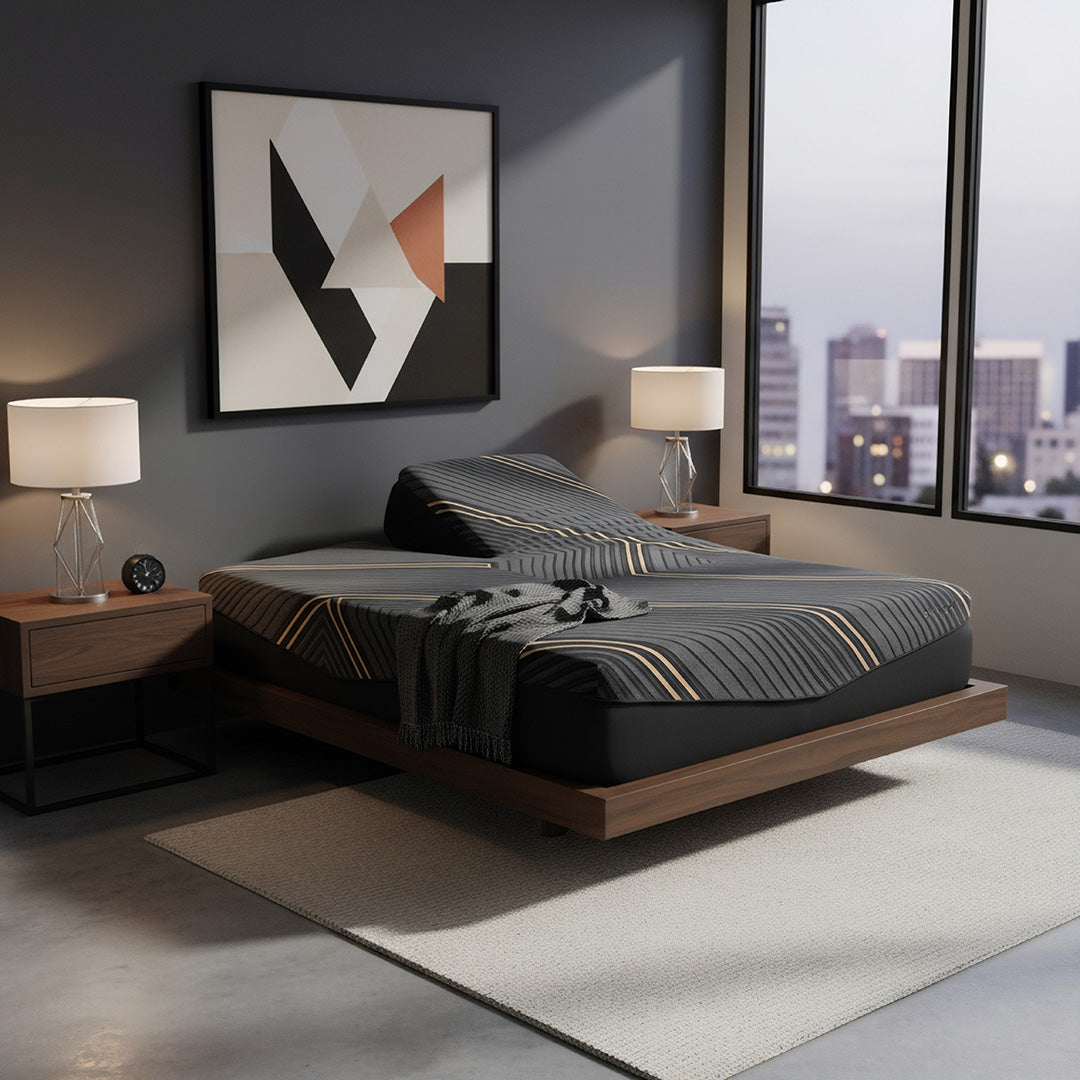
- Memory foam has no rigid structure, so it flexes with an adjustable base instead of fighting it, unlike spring mattresses with rigid metal frames
- Adjustable bases pair best with foam and hybrid mattresses
- Two practical notes: mattresses thicker than about 14 inches can bunch at the hinge points, and using an unapproved base can affect the mattress warranty
Cooling Innovations in Better Foams
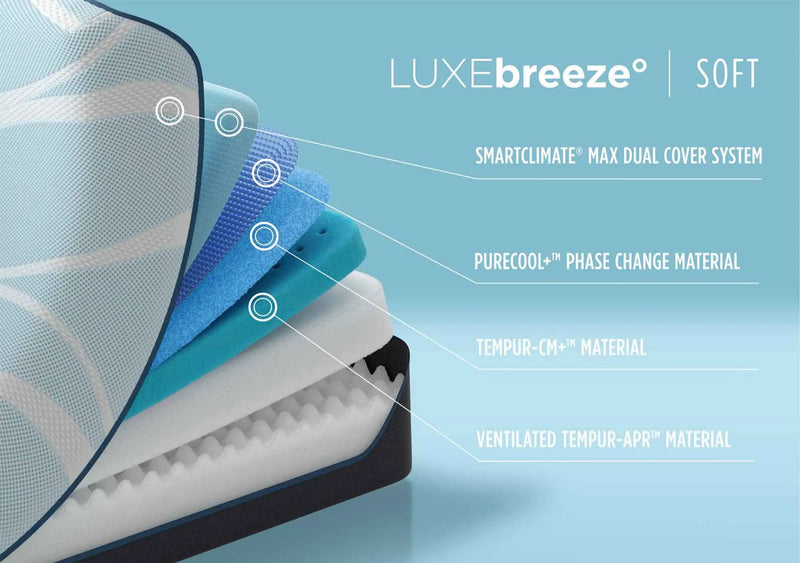
- Modern gel-infused and open-cell foams pull heat away far better than the memory foam of ten years ago
- The catch: you have to pay for it. Budget memory foam still sleeps warm
- For context: budget memory foam queens generally run a few hundred dollars, mid-range models with real cooling technology land in the low four figures, and premium high-density lines go higher still. Where cooling tech starts, price follows
- If cooling matters, the upgraded versions are worth the money
Low Maintenance and Quiet
- No flipping, and no rotating schedules you need to remember, though an occasional rotation never hurts
- Spot clean the cover and use a mattress protector. That's it
- And memory foam makes no noise: no creaking coils when you shift position
The Cons of Memory Foam
Most articles about memory foam mention the drawbacks in one sentence, if at all. That isn't useful, because the cons are the reason some people end up returning memory foam mattresses. Know them before you buy.

Heat Retention
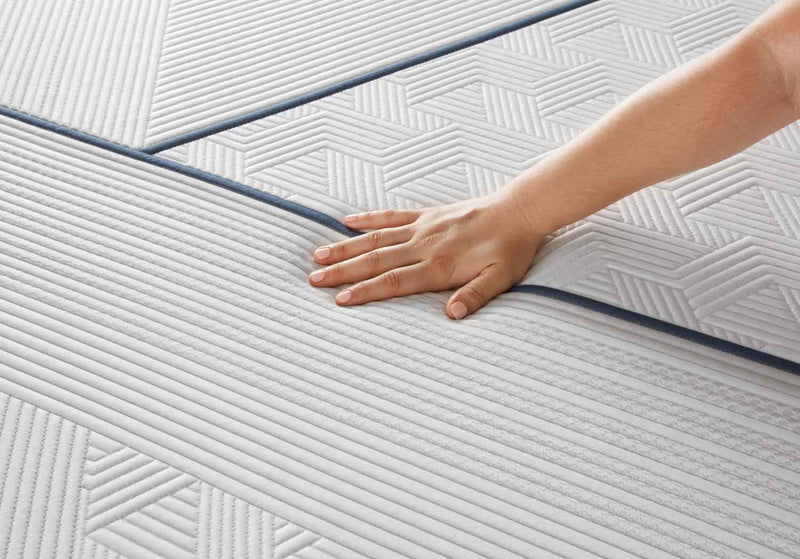
- The same heat responsiveness that makes memory foam contour also makes it hold your body heat, and for hot sleepers that's a dealbreaker, not a nuance
- Modern foams have narrowed this gap considerably with gel infusions, open-cell structures, and phase-change covers, like the cooling technology in Serta's iComfortPro line
- Innerspring and hybrid mattresses still move more air on average, so read cooling claims with some skepticism
The Hugged Feeling
- Memory foam is designed to let you sink in, and some people hate it. It's the most common complaint we hear on the showroom floor
- If you shift positions often, the slow response can make you feel like you're climbing out of a dent
- This is purely a preference, not a quality issue. A premium memory foam mattress feels exactly as enveloping as a budget one, just better made
Initial Off-Gassing
- New memory foam mattresses release a faint chemical smell for the first few days, called off-gassing: residual compounds from manufacturing evaporate into the air once unpacked
- With CertiPUR-US certified foams, emissions test low and the smell typically clears within a couple of days with good ventilation
- It's normal, it fades, and it isn't dangerous for most people. But if you're highly sensitive to smells, factor it in
May Not Support Heavier Bodies
- Low-density foam is not built for heavier weights, and the wrong density can break down sooner and develop body impressions years before the warranty ends
- Hybrid mattresses exist partly to solve this: a coil support core underneath the foam gives more durable support while keeping the pressure relief
Edge Support Varies Widely
- Budget memory foam mattresses often have soft edges that collapse when you sit on the side of the bed
- Better models firm up the perimeter so you can sit and tie your shoes
- If you sit on the edge often, or share a queen and need every inch, test the edge in the showroom before buying

Stomach Sleepers Struggle
- Stomach sleeping needs a firm, responsive surface that keeps the hips from sinking, because a sunken hip arches your lower back all night
- Soft memory foam lets that happen. Stomach sleepers who insist on memory foam should look at firm versions, like the Serta iComfortPro line
- Or consider a hybrid instead
Lower Quality Materials at the Budget End
- Cheap, low-density foams feel fine for the first few months, then deteriorate quickly, developing sagging divots that no rotation fixes
- That's not a memory foam problem, it's a materials problem: the same construction with better foam lasts years longer
- Check the density, read what the warranty covers on body impressions, and look at how long owners say theirs held up
Memory Foam vs. Hybrid Mattresses
- Memory foam contours deeper, isolates motion better, and costs a bit less at comparable quality
- Hybrids sleep cooler, feel more responsive, and handle heavier bodies and stomach sleeping better
- Neither one wins. Your sleep position and temperature preferences decide it
| Feature | Memory Foam Mattress | Hybrid Mattress |
|---|---|---|
| Contouring | Deeper, full-body hug. | Contouring top, firmer core. |
| Motion isolation | Excellent, absorbs movement almost entirely. | Very good, pocketed coils help but transfer slightly more. |
| Cooling | Warmer, unless gel or open-cell foam. | Cooler, coils add airflow. |
| Bounce and responsiveness | Slow, minimal bounce. | Quick, springy feel. |
| Edge support | Varies, often softer. | Generally firmer. |
| Ideal sleepers | Side sleepers, couples, pressure relief. | Hot sleepers, stomach sleepers, heavier bodies. |
Neither construction is better across the board. Match the feel to how you sleep.
Who Should Buy a Memory Foam Mattress?
After helping thousands of customers through our bedMATCH process, here is what we have learned about who tends to prefer memory foam, and who might be better served by a different type. You can browse our full selection of mattresses online or visit any of our Sleep Centers across Ohio, Kentucky, and Indiana.
Side Sleepers
Side sleeping concentrates weight on the shoulder and hip, and memory foam's contouring spreads that pressure out. Most side sleepers do best on medium or medium-soft foam.
Couples
The motion isolation alone can be worth the switch. If your partner has a different schedule or tosses and turns, you feel almost nothing.
Pressure-Point Pain
If you wake up with a numb arm or an aching hip on your current mattress, memory foam's pressure relief is exactly what your shoulders and hips need.
Allergy Sufferers
The solid core gives dust mites and allergens far fewer places to harbor than an open innerspring interior.
Adjustable Base Owners
Memory foam flexes with an adjustable base instead of fighting it, which is why foam and hybrids pair best with powered bases.
Who Might Prefer Something Else?
If you sleep hot and won't pay for cooling technology, sleep on your stomach, carry more weight and want maximum durability, or simply hate the sinking, hugged feel, a hybrid or quality innerspring will usually serve you better. That hugged feeling is the defining trait of the material, and it does not go away at higher price points.
How to Test Memory Foam Before You Buy
Don't buy any mattress, memory foam included, without lying on it first. Photos and spec sheets can't tell you whether a mattress is right for your body, because two people of different weights lying on the same mattress have completely different experiences. That's true whether you're replacing an old mattress or buying your first foam one.
When you test, lie down the way you actually sleep, not flat on your back for ten seconds. Stay five minutes. Have someone put a hand under your lower back while you lie on your side: if the hand slides out easily, your spine is sagging; if you can't get it in at all, the surface is too firm.
David Tucker, our bedding specialist in Fairfield, has been walking customers through this for 20 years. His rule of thumb from the video above: don't judge a mattress by pushing on it with your hand or sitting on the edge. Your shoulder, in the position you actually sleep in, tells you more in five minutes than your hand tells you in one.
And judge memory foam by the right criteria. Push past the model names and ask about density, about how the foam handles heat, about what the warranty actually covers on body impressions. Those answers tell you more than any marketing page.
Our showrooms use a diagnostic system called bedMATCH, a pressure-mapping test that takes a few minutes and narrows the field to the mattresses that fit your body type and sleep position. Think of it as a starting point that turns a wall of 40 mattresses into a shortlist of five or six, so the choosing you do is between options that already fit you.
Every Furniture Fair Sleep Center in Ohio, Kentucky, and Indiana offers it free, and mattress purchases of $999 or more include free delivery and setup from our own in-house delivery team.
What If You Hate It After Two Weeks?
The hug is the fear that stops most memory foam shoppers, so here's the safety net. Most mattresses we sell are covered by our Comfort Guarantee: sleep on it for a minimum of 30 nights, because it takes your body a few weeks to adjust to any new mattress. If it still isn't right after that, you can reselect. Windows run 30 to 100 days for most brands, and a few run longer. The mattress needs its original law tag and no stains, and clearance, Hot Buy, and floor models aren't eligible. A few budget brands are excluded too, so check the full policy before you buy. Reselections carry a disposal fee of 10% of the purchase price (capped at $250) plus the delivery fee.
Most "I hate this mattress" reactions in week one are just your body unlearning your old bed. That's what the 30-night minimum is for.

The Bottom Line
Memory foam earns its reputation where it matters: pressure relief, spinal alignment, and motion isolation, plus a hypoallergenic, low-maintenance material that works beautifully on adjustable bases. For side sleepers, people with pressure-point pain, and couples with restless partners, those pros can change how mornings feel.
It is not the right material for everyone. It sleeps warmer than alternatives unless you pay for cooling technology, low-density versions break down faster under heavier bodies, and the hugged feeling some people love is a dealbreaker for others. The price of a mattress tells you far less than its density and how it matches your body.
Our advice is the same whether you buy from us or someone else: lie on it before you buy it, ask what the foam is actually made of, and match the firmness to how you sleep, not how the showroom floor looks.
Shop at all 12 Furniture Fair locations across Ohio, Kentucky, and Indiana
Find Your Sleep CenterFrequently Asked Questions About Memory Foam Mattresses
Often, yes. Memory foam relieves pressure and supports spinal alignment, the two mechanics that matter most for back pain sufferers. But firmness must match your sleep position and body type, and no mattress is a medical treatment. Memory foam that is too soft for a back sleeper can make pain worse. If you have persistent back pain, talk to your doctor and test mattresses in person before buying.
Traditional memory foam retains more body heat than innerspring mattresses, so yes, older and budget foams tend to sleep warm. Modern versions have narrowed this gap considerably with gel-infused foam, open-cell construction, and phase-change covers, though innerspring and hybrid mattresses still sleep cooler on average. Hot sleepers should look for those cooling features specifically and test the mattress in person, because every brand claims cooling and not all of it works equally well.
Generally 7 to 10 years, with higher-density foams lasting longest. Low-density budget foams can develop body impressions in 4 to 5 years. Rotate the mattress occasionally and use a supportive base or frame to get the most life out of it. Deep body impressions that do not recover are the main sign a memory foam mattress is worn out.
Most back sleepers do best on medium or medium-firm memory foam. You want enough contouring to fill the small of your back, but enough pushback that your hips don't sink and arch your spine. Firmness needs differ with body weight: heavier back sleepers usually need the firmer end of the range. There's no substitute for lying on it for five minutes in your actual sleep position.
CertiPUR-US is a third-party certification for flexible polyurethane foam. Foams that carry it are tested to be low-emission (VOCs under 0.5 parts per million), and made without ozone depleters, certain flame retardants, heavy metals, or regulated phthalates. Most major brands' memory foams now carry it. The brief new-mattress smell is normal and clears within a few days of ventilation. If you're highly sensitive to smells or chemicals, look for the certification and air the mattress out before sleeping on it. You can read the full standard at certipur.us.
No box spring needed. Memory foam works well on a solid platform, a slatted frame with slats no more than 3 inches apart, or an adjustable base. What matters is even, continuous support: gaps wider than that let foam sag into the openings and create soft spots over time. A sturdy frame also protects your warranty, since sagging caused by an inadequate foundation usually isn't covered.
All mattresses develop some body impressions over time, including memory foam. Higher-density foam resists sagging much longer, which is why density matters more than brand name. Warranty thresholds vary by brand and top style, typically 0.75 inches on smooth-top all-foam models like Tempur-Pedic and 1.5 inches on quilted or pillow-top builds. Check the actual warranty terms for the mattress you're considering.
Yes, side sleeping is where memory foam's contouring earns its reputation. The foam lets your shoulder sink far enough to keep your spine straight, which a too-firm surface won't allow. Medium or medium-soft works for most side sleepers; broad-shouldered side sleepers often need the softer end. Test in person with your actual pillow to find your match.
Download The Complete Mattress Buyer's Guide
Buying a mattress is no small decision. The Mattress Buyer's Guide will help you learn more about mattresses and prepare you to find the perfect mattress.
Get Your FREE Guide