
Your Cart



Cómo evitar que la tapicería de cuero auténtico se agriete (Guía de cuidado de muebles de cuero 2024)
You spent good money on a leather sofa, sectional, or armchair. The last thing you want to see a few years down the road is cracking along the cushions and arms, or a finish that looks dull and tired instead of rich and supple.
Leather is one of the most durable upholstery materials you can buy, but it is not maintenance-free. The same natural qualities that make it look and feel better than synthetic alternatives also mean it needs occasional care to stay in good condition.
This guide walks through what actually causes leather to crack, how to clean and condition it properly, and how often you should bother. If you are still deciding whether leather is even the right choice for your household, that is covered too.
Watch: Leather Furniture Care Guide
People sometimes think leather is the low-maintenance choice because you can just wipe it off, and in some ways it is. But low maintenance doesn't mean no maintenance. I've seen leather furniture that's twenty years old and still looks incredible, and I've seen good leather dry out because nobody touched it for years. You don't have to baby it. You just have to take care of it.

Not All Leather Is the Same Material

Before getting into care instructions, it helps to know what kind of leather you are working with. Full-grain leather, top-grain leather, split-grain leather, and bonded leather all have different properties, and they do not all respond to the same cleaning approach.
Full-grain and top-grain leathers have a natural surface that can dry out over time. Protected or semi-aniline leathers have a finish layer that changes how they interact with conditioners. Bonded leather and faux leather are a different story entirely, and peeling on those materials usually means the synthetic coating is separating from the backing.
The care steps in this guide apply generally to genuine leather upholstery, but always check the manufacturer's care instructions for your specific furniture. If you are not sure what type of leather you have, check out our article on real vs. faux leather for a detailed comparison.
Why Leather Needs Care (and Whether It's Right for You)
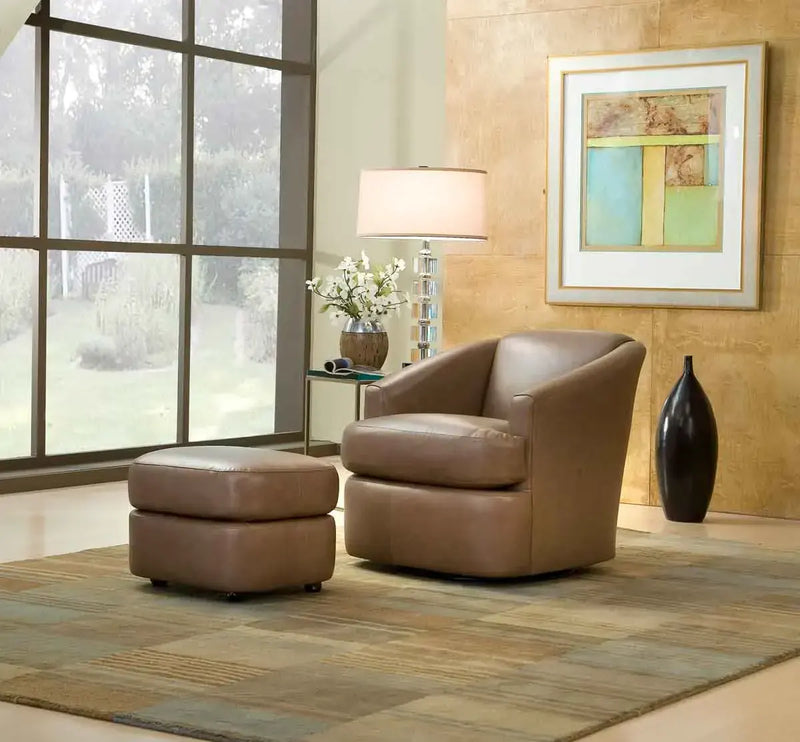
Real leather is animal hide. It is cured, finished, and tanned, but it is still an organic material. That is exactly why it feels better than synthetic upholstery and why it ages beautifully when it is cared for. It is also why it can dry out, stiffen, and eventually crack when it is ignored.
Skin oils, dust, sunlight, and dry heat all contribute to wear, drying, and finish breakdown over time. Without occasional conditioning, the leather loses its suppleness. Once it gets stiff and dry, cracking is usually not far behind.
Here is the honest part that a lot of leather care articles skip: if the idea of cleaning and conditioning your furniture once in a while sounds like something you know you won't do, that is worth thinking about before you buy. Leather can last a very long time, but it is not a "set it and forget it" material. A good performance fabric might be a better fit for a busy household that wants durability without any upkeep.
That is not a knock on leather. It is just a tradeoff. Leather looks better, ages better, and feels better than almost anything else you can sit on, if you are willing to give it a little attention. The care itself is not complicated. It just has to happen.
How To Clean Real Leather Upholstery
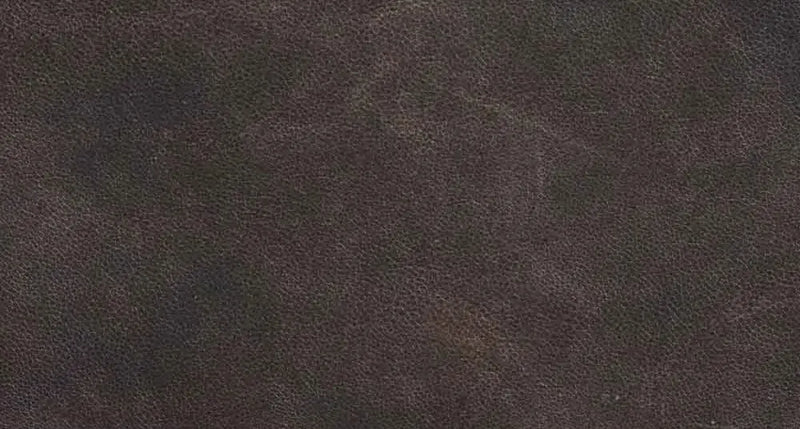
Cleaning leather is not complicated, but the order matters. You are trying to remove things that damage the hide, without introducing things that will damage it further. Dust and dirt act like micro-abrasions, wearing down the finish every time you sit down and shift around. Skin and hair oils break down the protective top coat over time. Getting that stuff off the surface is the whole point of cleaning.
01
Vacuum first. Use the hose attachment to get dust and dirt out of the seams and cushions. This matters because those particles grind against the leather every time someone sits down. Skipping this step and going straight to wiping means you are rubbing that grit into the hide.
02
Wipe down with a damp microfiber cloth. Use a small amount of water and a mild soap solution. The goal here is to lift off body oils and grime, not to soak the leather. Too much water can get into the stitching and lead to mold or mildew. Avoid harsh cleaning chemicals, which can strip the finish and accelerate the drying process you are trying to prevent.
03
Use a dedicated leather cleaner. These are formulated to clean without stripping the natural oils out of the hide. Many furniture companies, including Furniture Fair, offer leather cleaning kits as part of a protection plan. If you are not sure which cleaner is right for your leather, ask the manufacturer or check with the store where you bought it.
04
Wipe away residue with a dry microfiber cloth. Any cleaner left on the surface can attract more dirt, which defeats the purpose. Get the surface clean and dry before moving on to conditioning.
How To Condition Real Leather Upholstery
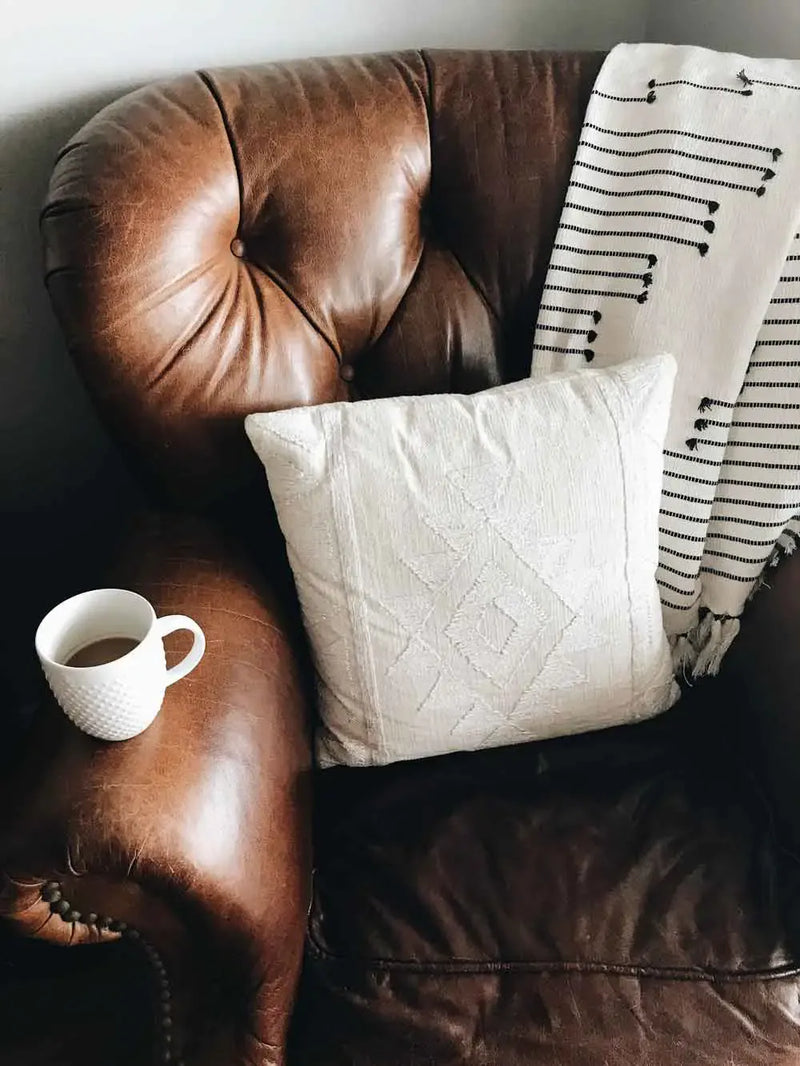
Conditioning is where you actually put moisture back into the hide. Think of it like lotion for dry skin. The leather lost oils through normal use, and conditioner replaces them so the material stays supple instead of turning brittle. Conditioning is the single most important thing you can do to prevent cracking.
01
Apply conditioner to a microfiber cloth, not directly to the leather. Work it in gently, covering the full surface. Then wipe off any excess with a dry cloth. The leather will only absorb what it needs, and leftover conditioner sitting on the surface can make the furniture feel sticky and attract dirt.
02
Why this matters: Conditioning creates a protective layer that helps the leather resist absorbing hair products, body oils, and dirt that would otherwise break down the finish. It keeps the hide moisturized, which is what prevents the stiffening and cracking that happens when leather dries out. Regular conditioning can make a significant difference in how well leather ages, especially in furniture that gets daily use.
How Often Should You Clean Leather Furniture?
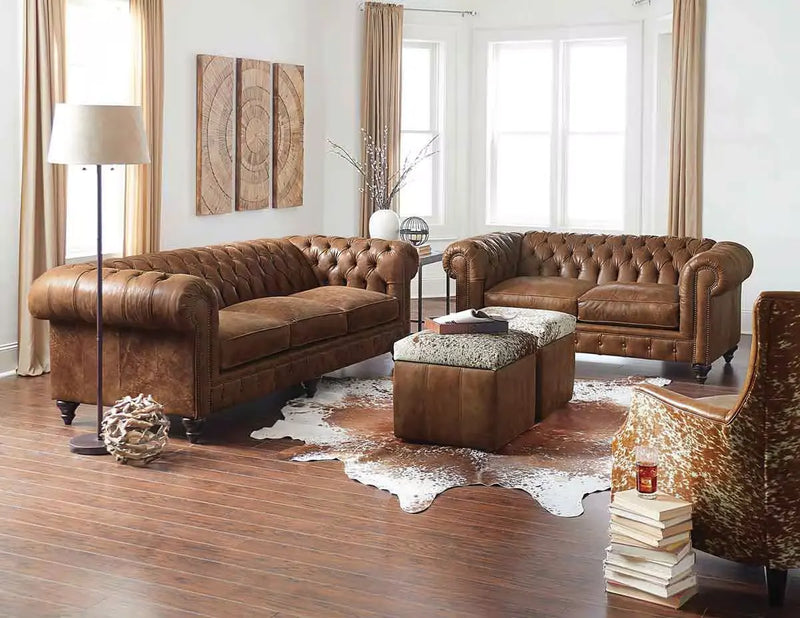
The honest answer is that it depends on how much use the furniture gets. A leather sectional in a family room with kids and pets needs more attention than a leather accent chair in a home office that rarely gets sat in.
For most households, vacuuming and wiping down every two to four weeks is enough to keep dust and oils from building up. For many genuine leather pieces, conditioning about once a year is a reasonable starting point, but always follow the manufacturer's care instructions for your specific leather. If the leather starts to feel dry or looks dull before the year is up, condition it sooner. Too much conditioning can leave the surface gummy and actually attract more grime.
Beyond cleaning and conditioning, the biggest factors in how well your leather ages are environmental. Keep leather furniture out of direct sunlight and away from heating vents or fireplaces. UV and dry heat pull moisture out of the hide faster than anything else. And keep food and drinks away from leather when you can, because stains are harder to get out of leather than out of fabric upholstery.
Frequently Asked Questions About Leather Furniture Care
How often should I clean my leather furniture?
Vacuuming and wiping down your leather upholstery is recommended every two to four weeks, depending on how heavily you use it. Conditioning should be done annually. Too much conditioning can end up making the leather gummy and grimy.
Can I use regular soap to clean leather furniture?
Use a mild soap solution with a small amount of water and a microfiber towel. Avoid soaps with harsh cleaning chemicals, as these can strip the finish and dry out the leather. Never drench the leather, as too much water can lead to mold or mildew build-up.
What causes leather furniture to crack?
Leather is animal hide that has been cured and finished. Without occasional conditioning, it loses its natural oils and dries out. Once the hide becomes stiff and brittle, cracking can occur along stress points like cushions and arms. Peeling, on the other hand, is more commonly associated with bonded leather or faux leather, where a synthetic coating separates from the backing material.
Should I keep leather furniture out of direct sunlight?
Yes. Direct sunlight and dry heat sources like vents and fireplaces pull moisture out of the hide faster than anything else. Keep leather furniture away from both if possible, and keep food and drinks away from leather since stains are harder to remove from leather than from fabric upholstery.
Do I need a leather cleaning kit?
Many furniture companies, including Furniture Fair, offer leather cleaning kits as part of a protection plan. These kits are formulated to clean without stripping natural oils from the hide. After cleaning with mild soap and water, use a dedicated leather cleaner following the manufacturer's instructions before conditioning.

Making Leather Work for Your Home
Leather furniture can last decades and look better with age, but only if it gets a little care along the way. Vacuum it occasionally, wipe it down with a damp cloth, condition it about once a year, and keep it out of direct sunlight. That is the whole routine.
If you are still deciding whether leather makes sense for your household, that is a conversation worth having in person. The feel of full-grain leather versus a protected leather versus a good performance fabric is hard to judge from a screen. If you are near one of our showrooms in Ohio, Kentucky, or Indiana, stop by and schedule a visit. Our team can walk you through the differences and help you figure out what actually fits your life.